Learn how restaurants use AI to create short-form videos that convert scrollers into reservations. Beat traditional ads with TikTok and Reels.
Your restaurant's biggest competition isn't the place down the street. It's the endless scroll of TikTok and Instagram Reels, where 74% of diners decide where to eat before they ever pick up the phone. That decision happens in about three seconds, mid-scroll, based on a video someone else made.
Here's the part most owners get wrong: they think the fix is hiring a videographer, or worse, waiting until they have "content ideas." Neither is true. Short-form video isn't a nice-to-have anymore — it's the cheapest, fastest way to reach people who are already hungry and already deciding. The restaurants winning this aren't the ones chasing viral moments. They're the ones publishing consistently, using AI tools to cut production time and cost to almost nothing.
You don't need a film crew. You don't need editing skills. You need a system that turns footage you already have — or could shoot on a phone in ten minutes — into the vertical, captioned clips that actually convert scrollers into reservations. That's what this is about: not going viral, but going predictable.
Why Restaurant Video Marketing Beats Traditional Advertising
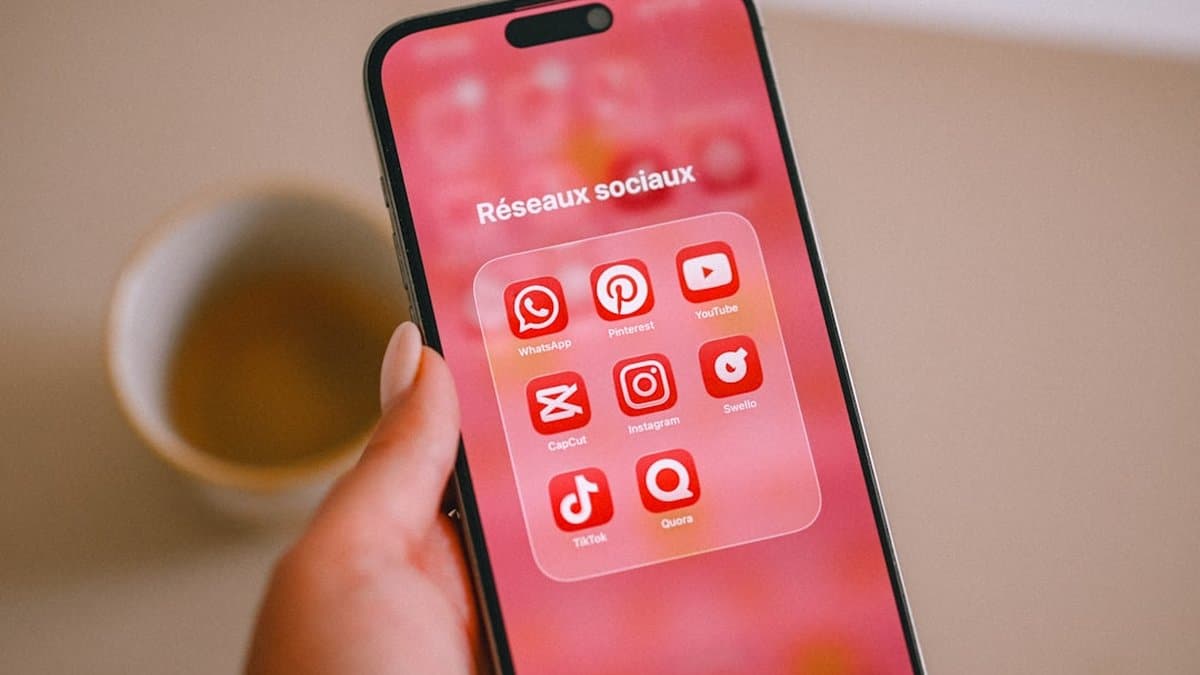
Traditional advertising asks people to interrupt what they're doing and pay attention to you. Short-form video does the opposite: it shows up inside the thing they're already doing, which is scrolling. That's not a minor edge. It's the whole game.
The decline of organic social reach
Facebook used to be where restaurants built a following for free. Post a photo of the new pasta special, your followers saw it, some of them showed up. That era is over.
According to HoCo, short-form video has become how guests discover, evaluate, and emotionally connect with hospitality brands before they ever walk in. Facebook's organic reach for a typical page post sits at 2-5%. Post to 10,000 followers, maybe 500 see it. That's not a following, that's a rounding error.
Warning: If your restaurant's entire social strategy is a Facebook page you update once a month, you're not marketing. You're archiving.
Where diners actually discover restaurants
The platforms that replaced Facebook work on a different mechanic entirely. TikTok and Instagram Reels don't just show your video to people who follow you. They show it to people who've watched similar videos, whether they've ever heard of your restaurant or not.
This is the part owners underestimate. According to Sphynxify, local businesses use AI-generated video specifically to fill appointment calendars and drive foot traffic — because the discovery happens through the algorithm, not through an existing audience. You don't need 10,000 followers. You need one video that's actually worth fifteen seconds of someone's attention.
And the money backs this up. 57% of diners now make reservations directly through social media. That's not brand awareness. That's a transaction, started and finished on a platform you thought was just for entertainment.
Why short-form video converts better than static posts
Compare the economics for a second. Google Ads run $5 to $50 per click, and a click isn't a customer — it's a maybe. AI-generated short-form video costs pennies per view, and unlike a static post, it's competing for attention on a platform actively designed to surface it to strangers.
Instagram itself has shifted around this: video now accounts for over 50% of all time spent on the platform. Posting a photo in a feed built for video is like running a radio ad during a TV broadcast. Technically present. Practically invisible.
Static Post
Short-Form Video
The tradeoff is real: video takes more work than a photo, at least without help. That's the gap tools like AutoShorts exist to close — turning a phone recording of the kitchen or the dinner rush into clips built for the feed, captions burned in, without hiring a videographer.
The Two-Track Content Strategy Restaurants Are Using in 2026
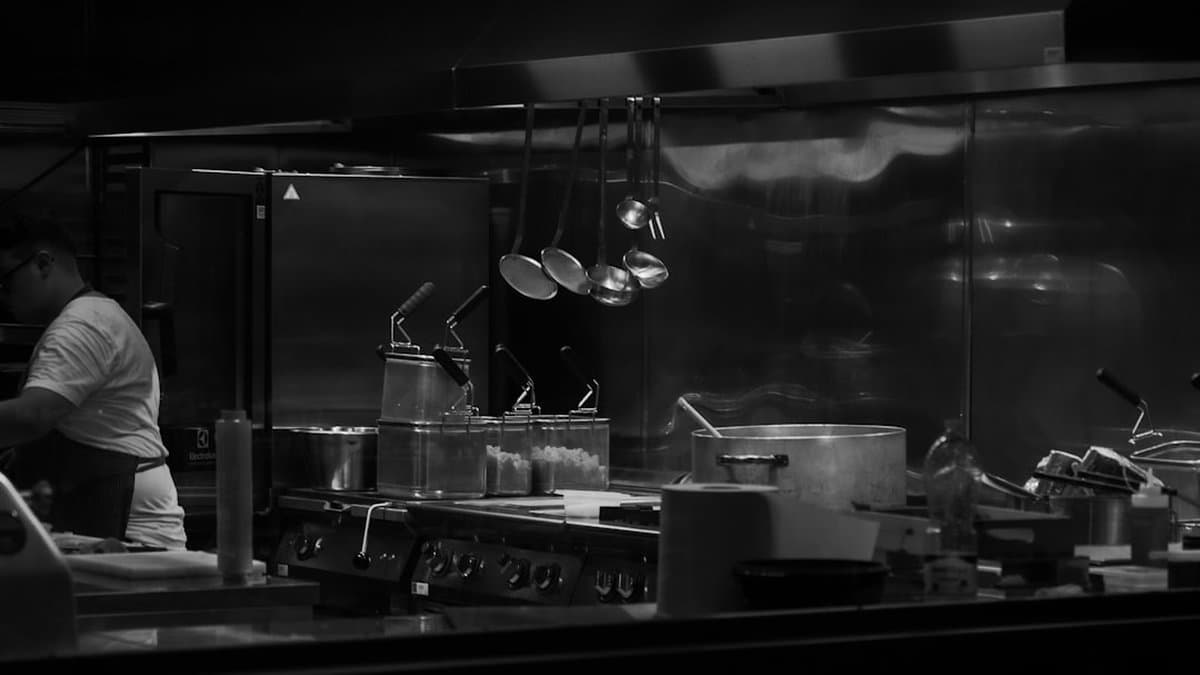
One kind of video makes people fall in love with your restaurant. A different kind makes people book a table tonight. Most owners pick one and wonder why the results feel half-finished. The restaurants actually filling seats in 2026 run both, on purpose, at the same time.
Authentic kitchen footage for virality and trust
Raw kitchen footage does something a polished ad can't: it shows a real person, doing real work, without a script. That's what stops the scroll. A cook plating a dish with total focus, a server laughing at a mistake, the owner tasting a sauce and shaking her head — this is personality, and personality is what food enthusiasts share with their friends.
The tradeoff is reach you can't schedule. This content is unpredictable. Some clips flop. Some take off for reasons nobody can fully explain. You're trading control for authenticity, and there's no way to have both.
According to Yume, most restaurant video advice fixates on content ideas — thirty TikTok concepts, ten Reels formats — while skipping the actual question of what fills tables. Behind-the-scenes footage answers part of that question by building the trust that makes a stranger willing to try you.
AI-optimized videos for local intent and conversions
The second track is less romantic and more mechanical: catching the person who's already hungry and already searching.
Someone typing "Italian restaurant near me" at 7 PM isn't browsing for entertainment. They're deciding where to eat in the next twenty minutes. According to AI Employees, short-form video only works as a local business channel when it's treated as a system, not something posted "when it is treated like a lottery ticket," as Infinity Curve puts it about most local business owners' approach.
Worth knowing: AI-optimized clips work best when they answer a search intent directly — hours, location, signature dish, price point — not when they try to be clever.
Running both tracks as a system
Sporadic posting from either track produces sporadic results. Consistency is the whole mechanism.
Restaurants running this as an actual system, not sporadic posting, tend to see tables fill within weeks rather than months. Tools like AutoShorts exist for exactly the second track — turning longer footage into captioned, vertical clips fast enough that the system doesn't collapse the first busy week.
How AI Video Tools Replace Your In-House Production Team
We don't think most restaurants need a videographer. That's not a popular thing to say to a business that just spent $1,200 on a shoot, but the math has changed, and pretending otherwise wastes your money.
What AI video generation actually produces
Current AI video tools generate 15-30 second clips with realistic lighting, coherent motion, and synchronized audio. That's not a downgrade from professional footage. It's exactly the format that performs best on TikTok and Reels anyway.
Nobody's scrolling for a 90-second cinematic reveal of your dining room. They're scrolling for something that hooks in three seconds and pays off in fifteen. Short, punchy, vertical. AI-generated clips are built for that spec by default, not adapted to it after the fact.
Cost comparison: AI versus hiring videographers
Here's the number that should change how you budget. One AI-generated clip costs cents. A professional videographer runs $500 to $2,000 per shoot.
Run that math over a year. Even four videographer shoots a month puts you at $2,000-$8,000 monthly, for maybe four to eight finished videos. The same budget spent on AI generation could produce content daily, for months, with room to throw away the misses.
Key Point: The tradeoff isn't quality versus cost. It's volume versus polish -- and volume is what the algorithm rewards.
According to HoCo, short-form video is no longer optional for hospitality brands — it's how guests discover and emotionally connect with a restaurant before they ever walk in. That connection happens through frequency, not a single beautiful shoot. Restaurants win by posting 2-3 high-quality videos weekly instead of one polished production every other month.
Building a repeatable prompt library for your brand
The restaurants getting this right treat prompts like a brand asset, not a one-off. Write down your plating angles, your lighting mood, your typical scenes -- the sizzle shot, the pour, the hand reaching for the plate. Save the phrasing that consistently nails your colors and tone.
Once that library exists, generating a week's content takes minutes, not a rescheduled shoot. If you're pulling from existing footage instead of generating fresh clips, that's where a tool like AutoShorts fits -- turning one long video into several ready-to-post vertical clips with captions already burned in.
From View to Reservation: The Content Formats That Actually Fill Tables
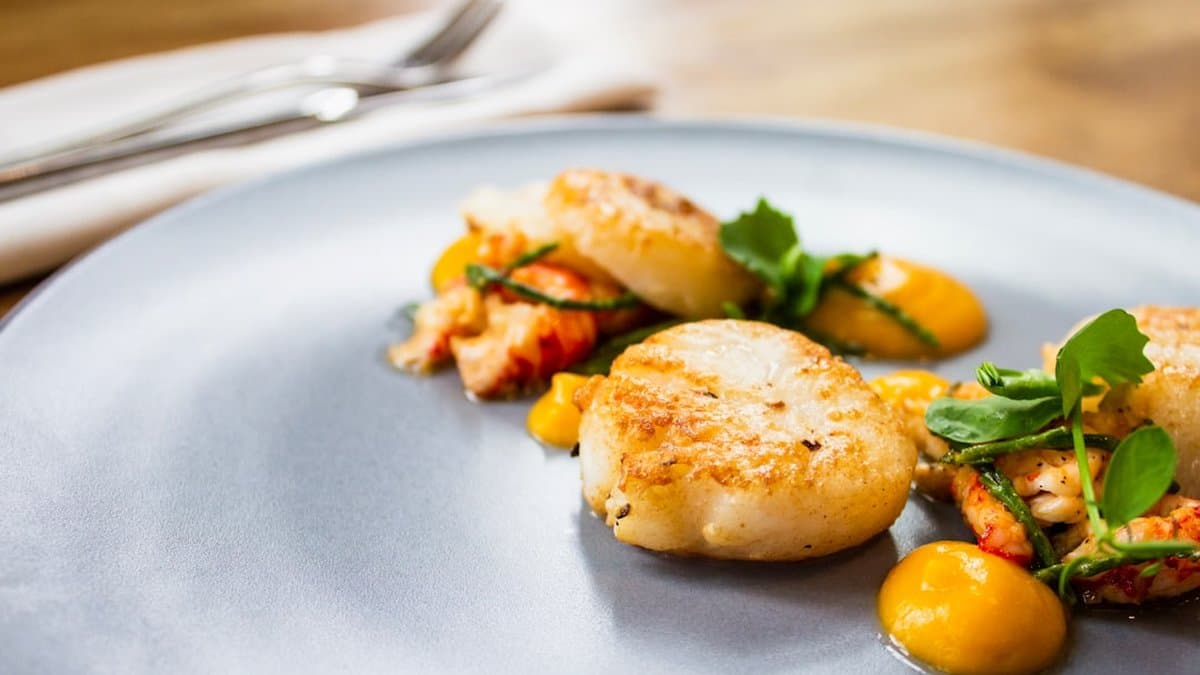
A video can rack up 200,000 views and sell zero reservations. That happens constantly, and it's not a mystery once you separate what earns attention from what earns a booking. Most restaurants optimize for the wrong number.
Skip the glamour shots—focus on what converts
The plated-dish close-up, shot in soft light with a slow pull-focus, is the default restaurant video. It's also the least useful one you can make. According to Sync Studio, that kind of footage is bad advice for the vast majority of independent restaurants, in part because nobody has time to compose it during a lunch rush anyway.
Here's the deeper problem: that video gets views from teenagers in Ohio scrolling at 11pm. Views from people who will never sit in your dining room. What you actually need is a video with local intent baked in — your neighborhood, your street, your regulars — the kind that reaches someone three miles away deciding where to eat at 6:45 tonight.
Key Point: A view is not a customer. Optimize for who's watching, not how many.
Educational and storytelling content outperforms promotional clips
Content that teaches something — where the fish comes from, why the dough rests overnight, who's actually running the grill — does work a promotional clip can't. It signals competence. It builds familiarity before anyone walks in the door, so the first visit feels like a return visit.
According to AI Employees, short-form video only works for local businesses when it's treated like a real channel, not an afterthought posted whenever someone remembers. Storytelling content takes that seriously. A 20-second clip of your pastry chef explaining why she sources local honey does more trust-building than ten shots of a finished plate.
Clear calls-to-action that lead to bookings
Every video needs a next step baked in. Not implied — stated. A link in bio, a phone number on screen, a reservation button tapped without thinking.
According to Yume, most restaurant video advice stops at content ideas and never answers the question that actually matters — whether it fills tables. A missing call-to-action is exactly why that gap exists.
Start With the Phone You Already Own
Skip the planning meeting. Skip the content calendar spreadsheet with 40 rows you'll abandon by week two. Pick one platform, TikTok or Reels, and film tonight's service on the phone in your apron pocket. That's the whole first step.
What we'd skip: waiting for a "content strategy" before posting anything. Every restaurant that's already dominating its local feed started with a shaky, unscripted clip of someone plating food. Perfection is the thing that keeps owners at zero videos for six months.
If you've already got hours of event footage or kitchen recordings sitting on a hard drive, don't sit down and manually scrub through it. Tools like AutoShorts can pull the usable moments out automatically, crop them to 9:16, and burn in captions, so you spend your time deciding what to post rather than editing timelines.
Commit to 2-3 videos weekly for four weeks. Track reservations, not likes. That's the number that pays your rent.
Frequently asked questions
According to research, 74% of diners use social media to decide where to eat, and this decision typically happens in about three seconds while scrolling. Additionally, 57% of diners have actually made a reservation directly through social media, showing how critical this channel has become for restaurant discovery and booking.
Short-form video appears within the content people are already consuming, rather than interrupting them like traditional ads do. With organic reach on Facebook dropping to just 2-5%, platforms like TikTok and Instagram Reels use algorithms that show your videos to people interested in similar content, not just your existing followers—meaning you don't need a massive audience to reach hungry customers.
No, you don't need a professional videographer or filming crew. AI-powered video generation tools let you create short-form content from footage you already have or can shoot on your phone in minutes, eliminating production costs and time. Restaurant and local business marketing with AI short-form video makes it possible for any owner to publish consistently without video production expertise.
AI video generation tools cut production time and costs to nearly nothing by automatically turning raw footage into vertical, captioned clips optimized for conversion. These tools eliminate the need for an in-house video production team while enabling restaurants to publish consistently and predictably fill tables through algorithm-driven discovery.
The blog emphasizes that winning restaurants aren't chasing viral moments—they're publishing consistently with a system that turns footage into content designed to convert scrollers into reservations. Rather than focusing on getting views, the goal is creating predictable results by understanding which videos actually fill tables, using platform-specific strategies and conversion-focused content frameworks.
TikTok and Instagram Reels are where diners now discover restaurants, as these platforms use algorithms to show content to interested viewers rather than relying on your follower count. YouTube Shorts is also effective for local business marketing, and the key advantage of these platforms is that discovery happens through the algorithm, not through an existing audience.