Learn how AI-powered short-form video helps nonprofits raise twice as much. Create viral clips without expensive production costs.
Donors who watch a video are 48% more likely to give. That's not a marginal lift, that's the whole ballgame for a fundraising team. So naturally, most nonprofits should be making video constantly.
Most don't. 68% can't afford to. A single professionally produced clip runs $3,000 to $15,000, and that's money that was supposed to fund a shelter bed or a vaccine, not a production company's day rate.
Here's the part that gets missed: the cost was never really about talent or story. It was about the mechanics — transcribing hours of footage, finding the six seconds that matter, reframing for a vertical screen, captioning by hand. That's labor, not magic, and AI now does most of it. You can take a phone recording from a site visit or a board meeting and turn it into a 15 to 90-second clip built for TikTok, Reels, or Shorts, without a videographer and without touching Premiere.
That doesn't mean any clip will do. Donors can smell overproduced content a mile away, and it reads as exploitation faster than it reads as polish. The tools solve the budget problem. What you do with them still decides whether anyone gives.
Why Short-Form Video Drives Donations (And Why AI Speeds It Up)
We think most nonprofits are still treating video like an annual gala instead of a weekly habit, and that's the actual gap costing them donations. Not talent. Not story quality. Frequency.
The data on video effectiveness
The 48% number from the intro isn't a fluke stat sitting alone in a report. It shows up alongside a broader pattern: nonprofits that consistently publish video content raise twice as much as those that don't. That's not "video helps." That's video being the difference between a mid-size organization and a small one, structurally.
Key Point: A 2x fundraising gap isn't about one viral clip. It's about the compounding effect of donors seeing your work repeatedly, in a format they'll actually finish watching.
What makes a clip worth cutting
Length matters more than production value. According to Puritano, short-form video is defined broadly as content under 90 seconds, and it works because it compresses a real human story into a format social platforms actively reward. Algorithms favor completion rate. A three-minute mission overview loses people at the 20-second mark. A 45-second clip of one person describing one specific moment gets watched to the end, and completion is the signal that gets it shown to more people.
According to The Class Consulting Group, the stories that move donors need to be real, short, and personal — and community-made, TikTok-style clips do this better than polished institutional video. That's a real tradeoff worth naming: raw footage of a beneficiary talking directly to camera will often outperform a beautifully lit interview. Authenticity beats polish here. Every time.
How automation changes the equation
The bottleneck was never storytelling. It was the six hours of scrubbing through raw footage to find the 40 seconds worth keeping.
AI tools now handle transcription, identify the moments worth clipping, reframe footage to vertical, and generate captions automatically. That's the whole editing bottleneck, gone in one pass. Tools like AutoShorts exist specifically for this: feed in a longer recording — a town hall, a donor testimonial, a program visit — and get back several vertical clips with captions burned in, instead of one clip you paid an editor to hand-cut.
Worth knowing: Captions aren't optional polish. Most social video gets watched muted, so a clip without burned-in text loses its story before it loses its budget.
The tradeoff is real: automated tools won't catch nuance the way a human editor with context will. But for a nonprofit choosing between one $8,000 video a year and twenty AI-assisted clips, the math isn't close.
The Authenticity Question: Can AI-Generated Videos Feel Real?
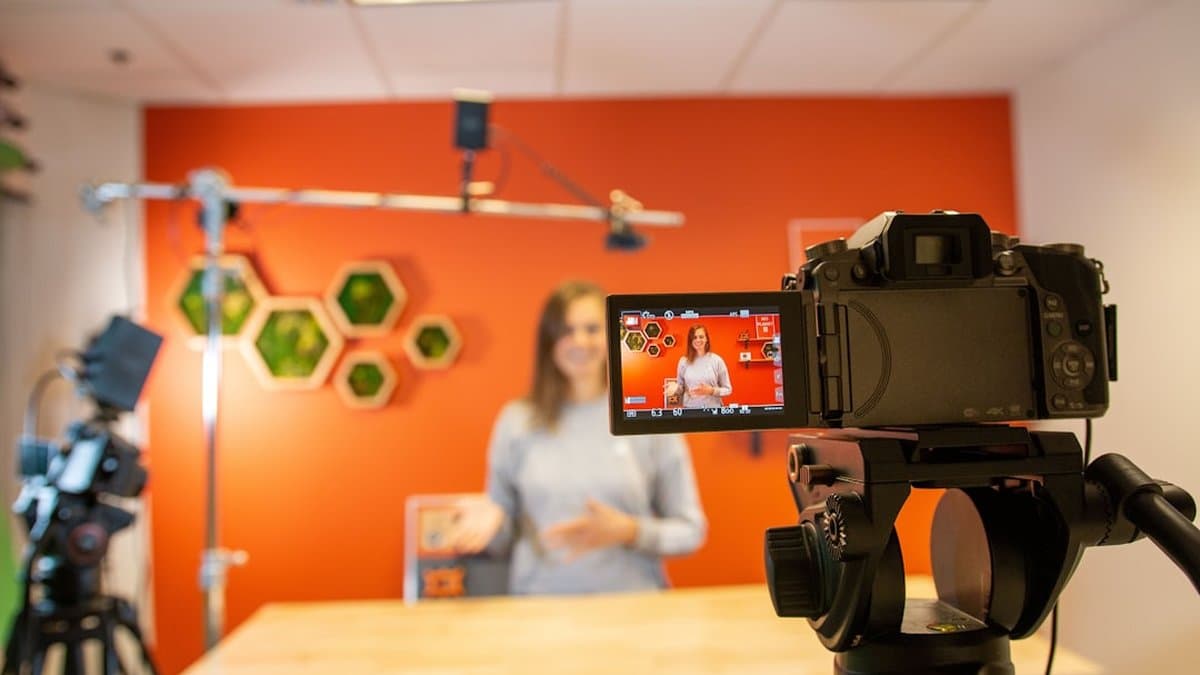
Here's our actual view: the footage matters more than the tool that edits it. A shaky phone clip of a volunteer describing a rescue, shot in a parking lot with bad light, will outperform a polished donor-video-of-the-year every time. Not despite being rough. Because of it.
Where real voices matter most
Polish reads as marketing. A staff member fumbling their words while describing what a $50 donation actually buys reads as true. That's the trade nonprofits keep getting backwards: they spend the budget on production value when the thing donors respond to is proximity to a real person and a real outcome.
According to The Class Consulting Group, stories need to be real, short, and personal, and TikTok-style videos made by your community are where that happens. Not agency-shot b-roll. Your program officer's phone.
Balancing efficiency with emotion
This doesn't mean skip editing. It means edit around the human moment instead of replacing it.
AI should amplify the story you already have, not manufacture one. The workflow we think actually works: shoot real, rough footage constantly, then use automation for the parts that are pure mechanics — transcription, finding the 45 seconds worth keeping, cropping to 9:16, captions. That's what a tool like AutoShorts is for: it tracks the speaker and reframes the source footage rather than upscaling or replacing it, so the person on screen is still the person who was actually there.
Key Point: The AI's job is the boring 80% — cutting, cropping, captioning. The donor's job is watching a real human being. Don't swap those.
What donors actually trust
Donors are not naive. They know a caption was auto-generated. They don't care, as long as the underlying story checks out.
According to JustGiving, charities can use AI tools practically without losing donor trust, provided the use is transparent and the impact behind the story is genuine. That's the whole bar. Say how you made the video if anyone asks. Never fabricate the moment itself.
Warning: The failure mode isn't "we used AI." It's using AI to dress up a story that isn't true. Donors forgive tools. They don't forgive fiction.
Which Platform, Which Format, Which Story Structure
Most nonprofits pick a platform based on where their marketing person already has an account. That's backwards. Pick the platform based on who you're trying to move, then build the format around what that platform actually rewards.
YouTube Shorts vs. Instagram Reels vs. TikTok
These aren't interchangeable feeds with different logos. They skew by age and behavior, and that should decide your upload strategy, not your team's personal habits.
According to BlueWing, YouTube Shorts are becoming a serious channel for charity campaigns, and they tend to reach an older donor base, which matters if your major-gift pipeline still skews 45+. TikTok skews younger, and that's where you build the next decade of monthly donors, not this quarter's gala revenue. Instagram Reels sit in between, and tend to hold attention longer once someone follows you, which makes them the better retention tool.
Key Point: Don't post the same clip to all three and call it a strategy. Match the story to the platform's actual audience, or you're just making noise in the wrong room.
The tradeoff: running three platforms well takes more clips, more captions, more variants than running one. That's real production load, not a minor inconvenience.
The three-part narrative that converts
Every nonprofit short that actually raises money follows the same skeleton. According to The Class Consulting Group, stories need to be real, short, and personal, and that's the whole design brief in six words.
Skip the mission-statement voiceover. Nobody converts off a tagline.
How to structure emotion into 60 seconds
Shorter isn't automatically better. According to Puritano, short-form video is broadly defined as anything under 90 seconds, and that range exists for a reason: a 15-second clip can grab attention, but it can't build the emotional arc that gets someone to open their wallet.
We'd aim for 45 to 90 seconds. That's enough time for one real moment to land before the ask arrives.
Measuring What Matters: Beyond Vanity Metrics
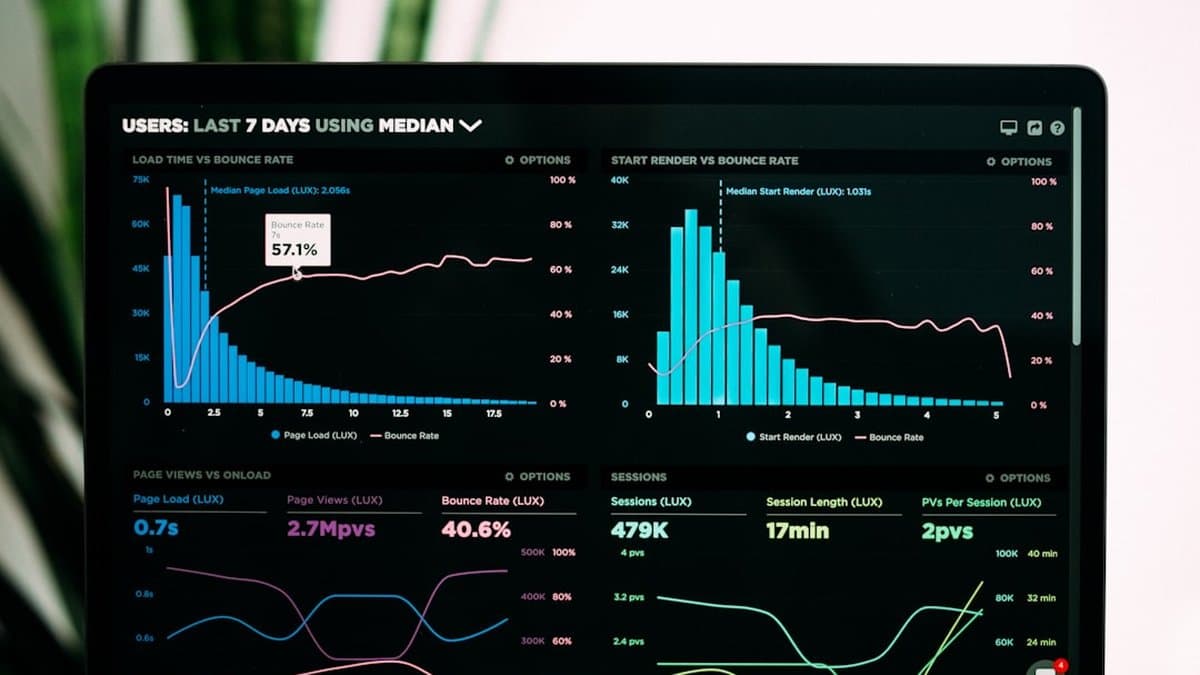
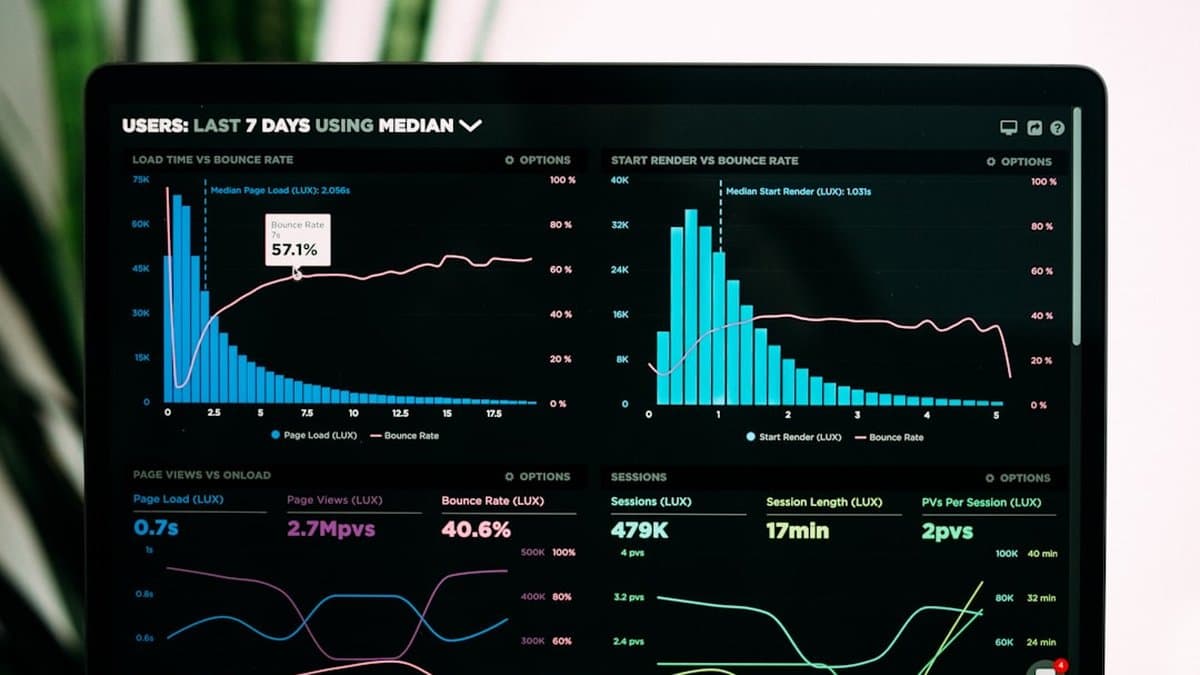
Views tell you a video got watched. They don't tell you it worked. A clip can hit 200,000 views and raise nothing, and a clip watched by 3,000 people can fund a program. If your reporting stops at views, likes, and shares, you're measuring the wrong thing on purpose, because it's easier to report.
Tracking viewers who actually donate
The metric that matters is what happens after the watch: did this person give, and did they come back next quarter?
That means connecting video engagement to your donor database, not just your analytics dashboard. Tag video-sourced donors separately. Watch their retention rate over the following two donation cycles, not just the first gift. A video that produces one-time donors who never return is a worse investment than one that produces fewer, stickier ones.
The real ROI metric for nonprofits
Here's the tradeoff nobody likes admitting: this takes more setup than checking a "views" number on TikTok. You need UTM codes on every donation link you put in a bio, a caption, or a linktree, tied to the specific clip that drove the click.
Link each video's call-to-action to a unique UTM-tagged donation page. Then you know, concretely, which stories moved money and which just moved thumbs.
Worth knowing: Build a simple spreadsheet mapping clip title → UTM code → donations attributed. It takes ten minutes per upload and it's the difference between guessing and knowing.
A/B testing your stories
The story you assume will resonate often won't. According to Nonprofit Marketing Nerds, storytelling structure itself is something nonprofits need to deliberately build and refine, not something to leave to instinct.
Test hooks against each other. Test a fear-based angle against a hope-based one. Test "donate now" against "here's what $25 does." Run the same underlying footage through different openings and different CTAs, and let the donation data — not your gut — pick the winner.
Start With One Phone, One Story, This Week
Skip the strategy deck. Skip the meeting about which platform to prioritize. The nonprofits raising money on video aren't the ones with the best plan, they're the ones who published something.
So do this: pick one staff member, volunteer, or person you've served. Hand them a phone. Ask them to talk for 90 seconds about why this work matters to them. Don't script it. Don't relight the room.
Where AI actually earns its place is after that footage exists, not before. Add captions, since most of your audience will watch muted. Reframe it for 9:16 if you shot it sideways. If you've got a longer interview sitting on a hard drive, AutoShorts can pull the strongest 60-90 second moments out of it automatically, caption them, and export them ready for whichever platform your donors actually use.
Then track one number: did anyone give money after watching it? Not views. Not shares. Donations.
Post the next one based on what that answer tells you.
Frequently asked questions
AI tools now automate the labor-intensive mechanics of video production—transcription, editing, formatting for vertical screens, and captioning—without requiring a videographer or expensive software. You can transform a simple phone recording from a site visit into a polished 15 to 90-second clip for TikTok, Reels, or Shorts at a fraction of traditional production costs. This cost reduction makes frequent video creation accessible to nonprofits with limited budgets.
Donors who watch a fundraising video are 48% more likely to donate compared to those who don't. Additionally, nonprofits that consistently publish video content raise twice as much as those that don't, making video frequency the structural difference between mid-size and small organizations. This isn't a marginal improvement—it's transformational for nonprofit fundraising.
AI shorts for nonprofits work best when they preserve raw, unpolished moments rather than over-produce content—donors can detect exploitation faster than they appreciate polish. The key is using AI to handle the technical editing while keeping the human story front and center, allowing beneficiaries to speak directly to camera in their own words. AI tools accelerate production without replacing the genuine human narratives that actually move donors.
Short-form video is defined as content under 90 seconds, and length matters more than production value for driving engagement and donations. A 45-second clip of one person describing one specific moment gets watched to completion, which triggers algorithms to show it to more people, whereas longer three-minute mission overviews lose viewers by the 20-second mark. Keeping videos under 90 seconds maximizes completion rates and donation conversion.
According to fundraising research, stories that move donors need to be real, short, and personal—and raw footage of beneficiaries talking directly to camera typically outperforms highly produced institutional videos. Audiences trust authentic community voices more than polished corporate-style messaging, and social platform algorithms actually reward this authenticity through higher completion rates. This is why AI shorts for nonprofits should prioritize genuine moments over glossy production value.
Most nonprofits are treating video like an annual event rather than a weekly habit, which is the actual gap costing them donations. The data shows that consistency—not talent or story quality—is what drives fundraising results; nonprofits publishing video regularly raise significantly more than those publishing sporadically. With AI tools removing production barriers, nonprofits can shift from occasional polished videos to frequent authentic short-form content that builds donor momentum.