Turn one video into 30+ pieces of content across platforms. Learn our step-by-step framework for maximum engagement and reach.
Introduction
You just spent two hours filming, editing, and perfecting a video. Then you post it once and move on. But here's what you're missing: that single video contains enough raw material to fuel weeks of content across every platform your audience uses.
Sound familiar? Most content creators treat videos like one-and-done assets. You pour hours into production, hit publish, and then scramble to create something completely new for your next post. It's exhausting. It's inefficient. And honestly? It's leaving serious opportunity on the table.
Here's the reality: one well-produced video can become 30+ pieces of content—without requiring 30+ hours of work. We're talking short-form clips for TikTok and Reels, quote graphics for Pinterest, blog post excerpts, email snippets, podcast transcripts, infographics, LinkedIn carousels, and way more. Each format speaks to different parts of your audience and different platform algorithms.
Video repurposing isn't just a time-saving hack—it's a strategic approach that lets you extract maximum value from every production. It's how creators go from burnt-out grind to sustainable, scalable content systems.
In this guide, you'll discover a practical, step-by-step framework to systematically transform one video into dozens of platform-specific pieces. You'll learn exactly where to cut, what to repurpose, and how to maintain your authentic brand voice across every format—all without the overwhelm.
Let's dive in.
Now that you know the overwhelm can be eliminated, let's talk about the secret weapon that makes it all possible: video repurposing. Understanding how one piece of content can become dozens of others is the game-changer that transforms your content strategy from exhausting to effortless.
Understanding Video Repurposing: Why One Video Powers 30+ Pieces
Let's cut to the chase: you're sitting on a goldmine every time you hit publish on a video, and most creators don't realize it. Video content isn't just another format—it's your most powerful asset. According to research, video content receives 1200% more shares than text and images combined, making it the heavyweight champion of social media engagement. That two-hour production you just completed? It's packed with enough material to create weeks of content across multiple platforms.
But here's where it gets interesting. Most creators stop after posting once. They treat videos as finished products rather than raw material waiting to be transformed. This is exactly where the competitive advantage lies, because the data shows that creators who repurpose across 5+ platforms see 38% higher engagement rates on average. That's not a small bump—that's a fundamental shift in how you should think about your content strategy.
Pro Tip: Your video isn't just one piece of content—it's the foundation for an entire content ecosystem. The creators winning right now understand this shift.
The Science Behind Content Multiplication
Here's what research reveals about why repurposing works so effectively. According to Graphaize, one video can become ten different pieces of content when you understand the mechanics of platform-specific adaptation. Different platforms have different audience behaviors, consumption habits, and optimal formats. Your TikTok audience doesn't watch content the same way your LinkedIn audience does, and your Instagram Reels viewers have completely different expectations than your YouTube subscribers.
The science here is straightforward: when you adapt your message to fit each platform's unique environment, engagement skyrockets. That's not because you're creating better content—it's because you're meeting your audience where they already are, in the format they prefer.
Key Point: Platform-specific adaptation isn't about creating entirely new messages. It's about repackaging the same core value in formats that resonate with each audience's viewing habits.
Why Platforms Demand Different Formats
Think about it: short-form video content shows 49% higher engagement than static posts, revealing platform-specific audience preferences. This statistic alone tells you something critical—format matters more than content in many cases. Your audience on TikTok scrolls through dozens of videos per minute, while your LinkedIn audience might spend three minutes reading a single post. These are completely different consumption patterns requiring completely different approaches.
According to Digital Applied, this is why strategic repurposing creates such powerful results. You're not just copying and pasting—you're translating. A 10-minute YouTube explainer video becomes a 60-second TikTok teaser, a carousel post with key takeaways, a podcast episode transcript, social media quotes, and email content segments. Each format serves the same core message but speaks directly to how audiences consume content on that specific platform.
The ROI Advantage of Strategic Repurposing
Let's talk about the business side, because this is where repurposing becomes genuinely transformative. Systematic repurposing reduces content creation time by 60-70% when properly structured, which means you're producing significantly more content with the same resource investment. Instead of scrambling to create fresh content constantly, you're multiplying the value of what you've already produced.
Here's the gap that creates opportunity: 82% of marketers repurpose content but only 31% have a documented strategy. That's massive. The majority of creators are trying to repurpose without a clear system, which means they're leaving significant value on the table. They might repurpose to three or four platforms instead of leveraging a strategic framework that multiplies their reach across dozens of formats and channels.
Warning: Without a documented repurposing strategy, you'll waste time guessing which formats work where. This section of the blog will show you exactly how to build that system.
Now that you understand why having a repurposing strategy matters, let's dive into the practical side of things. Here are the five core formats that will become your go-to toolkit for transforming any single piece of content into multiple audience-ready assets.
The Five Core Repurposing Formats: From Shorts to Blog Posts
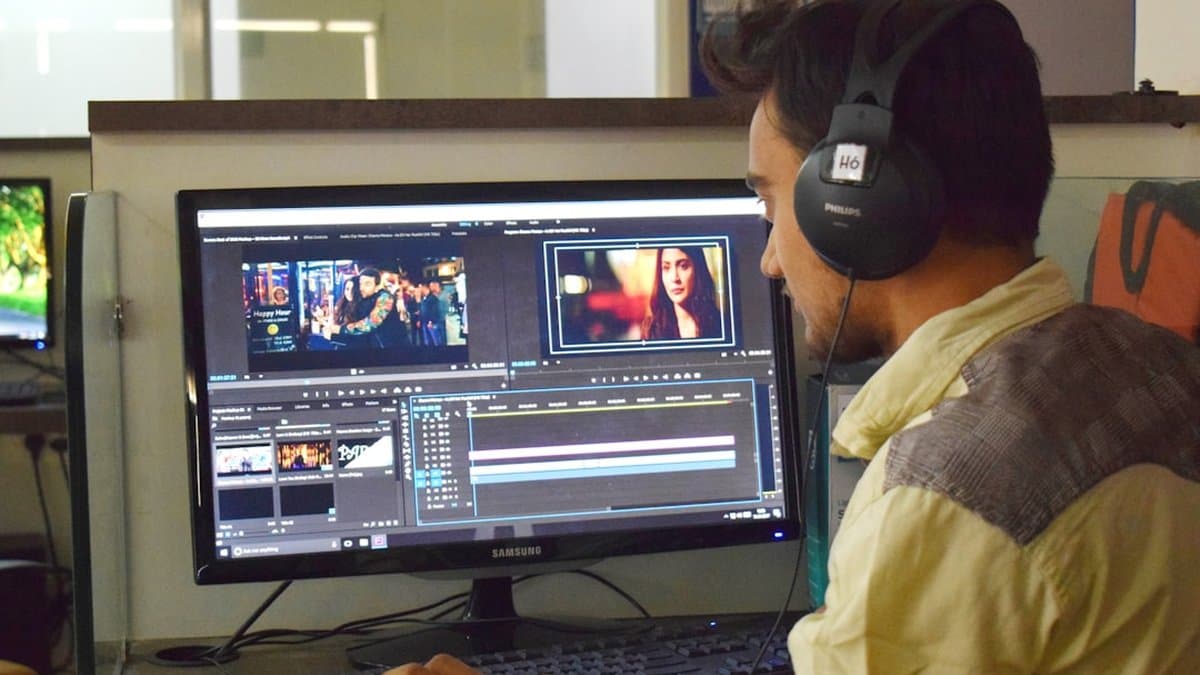
Now that you understand why repurposing matters, let's explore the five formats that will become your new best friends. Each one serves a different platform, audience behavior, and consumption preference. The beautiful part? You can extract all of these from a single source video without starting from scratch. Let's break down each format and show you exactly how to leverage them.
Short-Form Video Clips for TikTok and Instagram Reels
Short-form video is where the magic happens. According to PostQuickAI, repurposing 15-60 second clips from your original video is the most efficient format, requiring minimal editing yet generating maximum engagement. Think about it: you've already filmed the content, so extracting the most compelling moments is pure efficiency.
The key is identifying the hook moments—those 15-60 second segments where you deliver maximum value or entertainment. These clips need minimal editing because authenticity drives engagement on platforms like TikTok and Instagram. Tools like AI-powered clipping software can automatically identify these peak moments, saving you hours of manual editing while ensuring you capture the most shareable segments.
Pro Tip: Focus on extracting 4-6 short clips from every long-form video. Each clip should have a complete thought or value delivery, making it stand alone perfectly.
Carousels and Quote Graphics for Visual Platforms
Carousels transform your video's key moments into multi-slide assets perfect for LinkedIn, Pinterest, and Instagram feeds. Each slide should feature one compelling idea, statistic, or insight from your video, paired with clean, on-brand visuals and typography.
These assets work exceptionally well because they encourage audience interaction—people swipe through to see what's next. You're essentially breaking your video's narrative into digestible, shareable pieces that fit the native formats of these platforms.
Key Point: Create 2-3 carousel sets from each video, each telling a different angle or covering different topics within your content.
Long-Form Blog Content and Thought Leadership Articles
Your video transcript is a goldmine for SEO-rich blog content. According to Digital Applied, blog posts repurposed from video transcripts provide substantial SEO value and establish authority while reusing existing material. Google loves text content, and search engines can't watch videos—they can only read.
Transform your video into a comprehensive blog post by expanding on your talking points, adding relevant data, and including internal links. This format helps you capture search traffic while establishing yourself as a thought leader in your niche.
Email Sequences and Newsletter Snippets
Email remains one of the highest ROI marketing channels, and your video content is perfect for nurturing email sequences. Extract key topics, insights, or lessons from your video and break them into a 3-5 email series that guides subscribers deeper into your expertise.
Each email can highlight a different angle or lesson from your original video, creating multiple touchpoints with your audience while reinforcing your message across channels.
Audio Extracts and Podcast Content
Don't overlook the power of audio. According to Socialync, audio repurposing extends reach to commuters and podcast listeners—a growing segment projected to continue expanding through 2026. You can extract clean audio from your video and repurpose it into podcast episodes, YouTube audio content, or Spotify tracks.
This format opens entirely new audience segments who consume content while driving, exercising, or multitasking.
Now that you've got all these amazing repurposed assets working hard for you, let's make sure they're actually reaching the right people at the right time. We'll explore how to strategically distribute and amplify this content across your marketing channels for maximum impact.
:

Platform-Specific Video Strategies: One Format Doesn't Fit All
Here's the hard truth: uploading the same video to every platform is leaving engagement on the table. Each social platform has its own algorithm, audience expectations, and technical requirements. What performs beautifully on TikTok might completely flop on LinkedIn. The good news? With intentional adaptation, one core video can be tailored to thrive everywhere—but it requires more than just resizing and uploading.
According to Socialync, successful content repurposing demands platform-specific optimization rather than lazy cross-posting. Your audience is different on each channel, your competition is different, and the algorithms reward different behaviors. Let's break down how to adapt your video for maximum impact across the major platforms.
TikTok: Vertical, Fast-Paced, Trend-Focused
TikTok thrives on authentic, unpolished content that feels native to the platform. Short-form videos (15-60 seconds) with trendy sounds, quick cuts, and bold text overlays dominate the algorithm. Your hook needs to land in the first second—literally. Users scroll aggressively, so aim for surprising moments early and capitalize on trending audio. The platform rewards consistency, so posting multiple times per week signals active creator status to the algorithm.
Instagram: Polished Visuals with Strategic Hashtags
Instagram Reels (15-90 seconds) demand professionally edited, visually cohesive content. Unlike TikTok's raw authenticity, Instagram users expect polished production. Your captions matter here too—strategic hashtags and compelling copy drive discoverability. The 9:16 vertical aspect ratio works perfectly, but you'll also want to repurpose clips as Carousel posts or Stories to maximize your video's reach across Instagram's ecosystem.
YouTube: Long-Form Authority and Community Building
YouTube is where depth wins. While YouTube Shorts (under 60 seconds) can drive quick views, your core video performs best as 8-15 minute long-form content that positions you as an authority. Use chapters, timestamps, and detailed descriptions to improve SEO. YouTube's algorithm rewards watch time and subscriber retention, so focus on keeping viewers engaged throughout. This is your opportunity to build community through comments and playlists.
LinkedIn: Professional Insights and Industry Authority
LinkedIn demands polished, contextual content. A 1-2 minute video paired with a thoughtful, professional caption and relevant industry insights works best. Vertical 9:16 aspect ratio performs well here too, but horizontal 16:9 is equally effective. Avoid overly promotional language—instead, position your video as an industry insight or professional perspective. LinkedIn's algorithm rewards native uploads (not external links), so upload directly to the platform.
Twitter: Quick Commentary and Thread Conversations
Twitter favors fast-paced, commentary-driven content. Keep videos to 30-45 seconds max, and pair them with sharp, witty captions or thread-style commentary. Your video isn't the star here—your words are. Use this platform to spark conversation, ask questions, and engage with broader industry discussions. The 16:9 horizontal aspect ratio performs better than vertical on Twitter.
Pinterest: Evergreen Visual Content with SEO Potential
Pinterest is unique—it's a visual search engine, not a social network. Vertical pins (1000x1500px) with keyword-rich descriptions dominate. Videos work, but static carousel pins often outperform them. Use this platform to drive long-term traffic rather than immediate engagement. Pinterest content lives forever, so SEO optimization and evergreen topics matter more than trending sounds.
Pro Tip: Platform adaptation requires more than resizing. Shift your tone, adjust captions for each audience, and optimize your hook for platform-specific behaviors. A TikTok hook that grabs attention in 0.5 seconds will feel rushed on YouTube's longer format.
Research from PostQuickAI confirms that creators who adapt content per platform see 3-5x higher engagement rates compared to those who use identical videos across channels. The investment in adaptation pays immediate dividends.
Now that you know how to tailor your content for different platforms, let's talk about how to actually manage all of this without burning out—because creating platform-specific versions is only half the battle. In this section, we'll walk through the tools and systems that'll make your repurposing workflow smooth and sustainable.
Building Your Repurposing Workflow: Tools, Automation, and Time Management
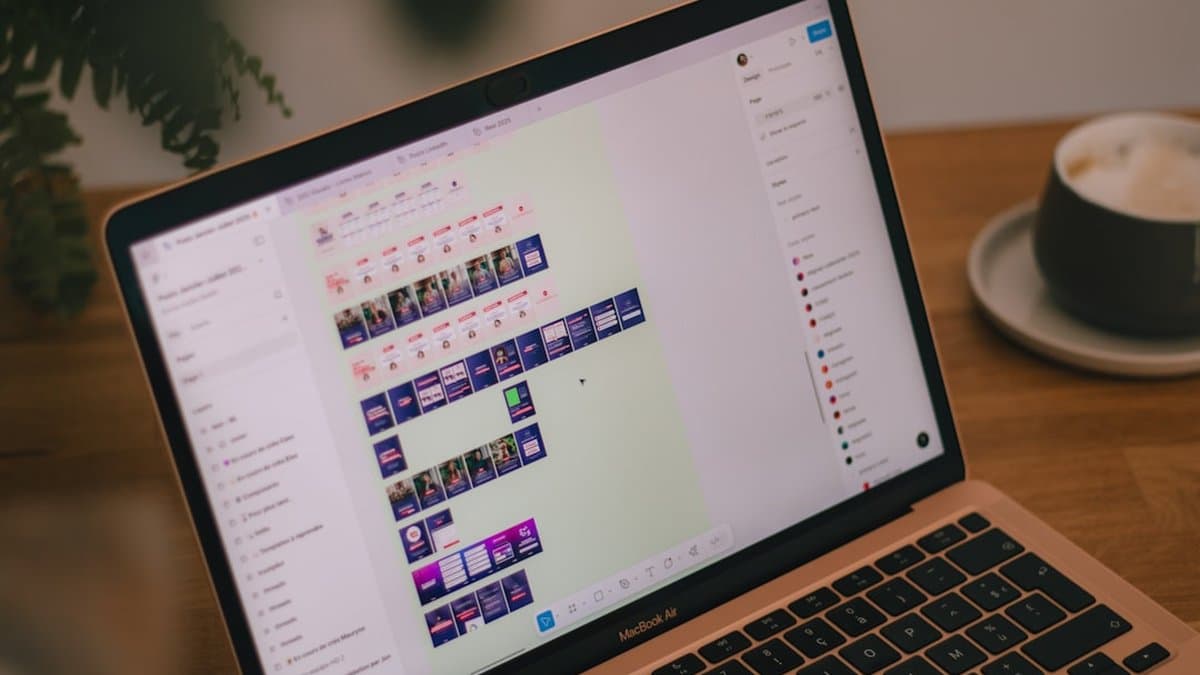
Here's the truth: without the right system in place, even the best repurposing strategy becomes just another task on your overflowing to-do list. The difference between creators who successfully extract 30+ pieces from one video and those who struggle comes down to workflow efficiency. The good news? Technology has made this easier than ever. According to PostQuickAI, AI-powered tools like caption generators and auto-clipper software have reduced repurposing time by 40% since 2024, making scale accessible for creators of all sizes. Let's build a workflow that turns repurposing from overwhelming to automatic.
Essential Tools for Efficient Video Breakdown
Your toolkit should focus on one thing: removing friction. Start with an AI transcription service like Otter or Rev, which converts your video audio into searchable, quotable text instantly. This eliminates hours of manual transcription work and gives you a goldmine of quotable snippets. Next, consider video management platforms that let you organize, tag, and annotate your raw footage before breaking it down. Tools like Frame.io make collaboration seamless if you're working with a team or outsourcing portions of the work.
Pro Tip: Organize your repurposing toolkit into layers—transcription, clipping, caption generation, and distribution. This prevents overlap and keeps your workflow clean.
AI-Assisted Editing and Caption Generation
AI has become your secret weapon here. Modern caption generators don't just add subtitles; they optimize text for platform-specific formats, adjust timing, and even suggest B-roll placements. Tools powered by machine learning analyze your video content and automatically identify the most engaging moments—cutting down your editing time significantly. This means your team spends less time on mechanical tasks and more time on what AI can't do: deciding which angle resonates with your audience and how to adapt the message for each platform.
Warning: Don't rely entirely on AI captions for accuracy. Always review transcriptions and edits—AI catches 95% of content but human eyes catch the remaining 5% that matters.
Content Calendar Planning for Consistent Distribution
This is where consistency lives. A content calendar prevents duplicate posting and ensures platform-specific optimization by planning repurposed pieces weeks ahead. Map out when each asset goes live, which platform it targets, and what supporting copy it needs. This prevents the chaos of "wait, didn't we already post this clip on TikTok?" and keeps your audience from seeing repetitive content in their feeds. Use a tool like Airtable or Monday.com to visualize your repurposing calendar alongside your publishing schedule.
Automation Strategies to Prevent Burnout
The secret to sustainable repurposing? Batch everything. Extract all clips, generate all captions, and create all variations in one focused session rather than spreading the work across the week. This approach, highlighted by Digital Applied, maintains consistency and reduces decision fatigue—you're not context-switching between tasks. Set up automation rules: captions auto-generated, thumbnails auto-created, and scheduling templates that handle the technical heavy lifting.
Key Point: Automation handles the repetitive 80%—transcription, basic editing, caption generation. Your human creativity focuses on the strategic 20%—adaptation and platform-specific optimization.
The final piece? Let your tools talk to each other. Use Zapier or Make to connect your video tool, transcription service, and content calendar so information flows automatically. This is what turns repurposing from a 10-hour per-video project into a 2-3 hour process. You're not working harder; you're working smarter.
Now that you've streamlined your workflow and saved those precious hours, you're probably wondering which of all these repurposed formats are actually moving the needle for your business. Let's dive into the metrics that matter and discover which content types are delivering the best bang for your buck.
Measuring ROI: Which Repurposed Formats Drive the Most Value
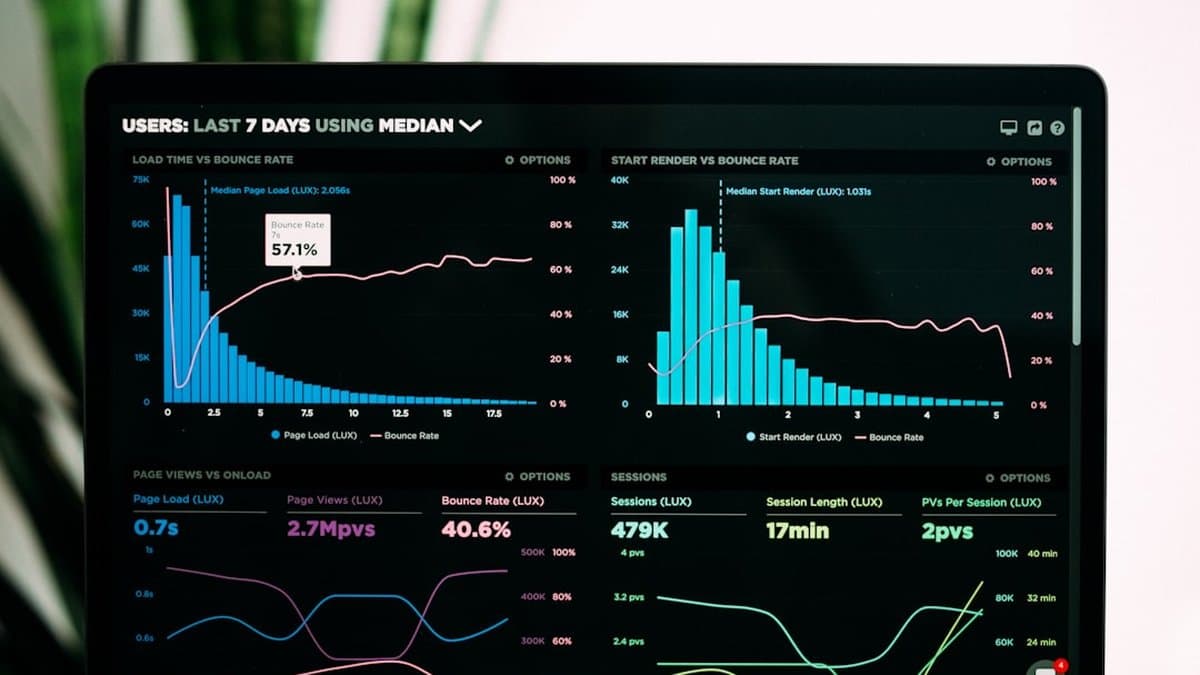
Creating 30+ pieces of content from one video is fantastic—but here's the real question: which formats are actually driving conversions and business results? It's easy to get caught up in vanity metrics like views and likes, but the formats that matter most are the ones generating qualified leads, engaged audiences, and measurable returns on your content investment. Let's dig into how to track ROI across different repurposed formats and optimize your strategy based on what actually works.
Tracking Engagement Metrics Across Formats
Not all engagement is created equal. According to Digital Applied, short-form video clips typically generate 2-3x more impressions than long-form posts, which sounds impressive on the surface. However, those impressions don't always translate to meaningful business outcomes.
The real magic happens when you start tracking quality metrics instead of just volume. Pay attention to click-through rates (CTR), conversion rates, audience growth, and most importantly—which repurposed piece actually drove someone to become a customer or lead. A blog post might get fewer views than a TikTok clip, but if that blog post converts readers into email subscribers at twice the rate, it's the format winning your ROI battle.
Pro Tip: Use UTM parameters on every repurposed asset so you can track exactly which format brought traffic to your site. This removes the guesswork from ROI calculations.
Understanding Cost Per Engagement by Content Type
Here's where the numbers get really interesting. Email sequences built from video content achieve 35-40% open rates, significantly outperforming generic campaigns. That's not just a vanity metric—that's a signal that your repurposed content resonates strongly enough to make people want to engage with it repeatedly.
Different platforms have vastly different cost structures. TikTok and Instagram Reels offer essentially free organic reach if your content hits the algorithm right, while YouTube prioritizes long-watch-time content that keeps viewers glued to the platform. LinkedIn, meanwhile, rewards industry-specific sharing and thought leadership. When calculating your cost per engagement, factor in platform dynamics—what seems expensive on one channel might deliver exceptional value on another.
Key Point: Calculate cost per engagement by dividing your total content production cost by the number of conversions (not just impressions) each format generates. This reveals your true ROI picture.
Optimizing Budget Allocation Based on Performance Data
Once you're tracking the right metrics, use that data to double down on winning formats. If your blog content consistently drives higher-quality leads even with lower traffic numbers, allocate more of your repurposing efforts toward written content. If email sequences are crushing it, invest in creating more email-specific variations of your core video.
Research from PostQuickAI emphasizes that the most successful content strategies align budget with performance data rather than assumptions about what "should" work. This means regularly auditing which repurposed formats are delivering conversions and adjusting your content calendar accordingly. The goal isn't to chase every format equally—it's to identify your personal winners and optimize ruthlessly around them.
Now that you've got a solid framework for testing, adjusting, and optimizing your content strategy, let's wrap up with some final thoughts on putting it all together. By keeping these principles in mind, you'll be well-equipped to build a content repurposing machine that actually works for your unique audience.
Conclusion
Here's what we've covered: one strategic video can generate 30+ pieces of content, slashing your production time by 60-70%. But volume without strategy is just noise. Platform-specific adaptation—not copy-paste distribution—keeps your brand voice authentic while boosting engagement across channels. AI tools handle the grunt work like transcription and editing, freeing you to focus on what matters: strategy and optimization.
The secret to sustainable content creation? Systematic planning. A documented workflow and content calendar prevent burnout while maintaining consistent quality. And remember, not all repurposed formats perform equally. Measuring ROI per format helps you invest resources where they actually drive results.
You're ready to stop leaving content on the table. Start simple: pick your next video and identify three formats to repurpose it into—shorts for TikTok, a blog post for SEO, and a carousel for LinkedIn. Tools like AutoShorts can automate the clipping and caption generation, letting you focus on strategy rather than manual editing.
Your audience is scattered across multiple platforms, hungry for content in different formats. Stop exhausting yourself trying to create from scratch. Start multiplying what you've already made.
The goldmine was always there—you just needed permission to mine it.
Frequently asked questions
Start by extracting different elements from your video: create short-form clips for TikTok and Instagram Reels, pull quote graphics for Pinterest, transcribe sections into blog posts, design infographics from key data points, and build LinkedIn carousels from main takeaways. The key is treating your video as raw material rather than a finished product, systematically cutting and reformatting it for each platform while maintaining your brand voice.
One video can be transformed into short-form clips, quote graphics, blog post excerpts, email snippets, podcast transcripts, infographics, LinkedIn carousels, Twitter threads, and Pinterest pins. Each format serves different audience segments and works better with specific platform algorithms, so you're essentially multiplying your reach without multiplying your production effort.
Creators who repurpose content across 5+ platforms see 38% higher engagement rates on average, and video content receives 1200% more shares than text and images combined. By repurposing strategically, you maximize the value of your initial production investment and ensure your message reaches different audience segments where they're already spending time.
Short-form video platforms like TikTok and Instagram Reels show 49% higher engagement than static posts, while LinkedIn carousels work well for professional insights, Pinterest excels for visual quotes and infographics, and blog posts capture long-form value. The best platform mix depends on where your specific audience spends time, but most creators see success focusing on 3-5 key platforms.
Establish core messaging guidelines before you start repurposing, then adapt the format and tone slightly for each platform's culture while keeping your core message consistent. For example, you might use more casual language on TikTok and more professional terminology on LinkedIn, but the underlying value and perspective remain authentically yours.
Automation tools and AI-assisted content extraction platforms can streamline the repurposing process by automatically transcribing videos, suggesting clip cuts, and helping organize content for different platforms. Using these tools combined with strategic planning saves significant time and ensures you're not leaving potential content pieces on the table.
While the initial video production takes 2+ hours, systematic repurposing of that video into 30+ pieces typically requires 3-5 additional hours depending on your tools and familiarity with the process. This breaks down to roughly 5-10 minutes per piece, making it far more efficient than creating original content for each platform from scratch.
Track engagement metrics separately for each repurposed piece across platforms—views, shares, clicks, and conversions—then compare the combined performance against the original production time invested. This helps you identify which repurposing formats work best for your specific audience and niche, allowing you to optimize your content strategy over time.