Turn 1 hour of podcast content into 40+ viral clips. Learn the framework to repurpose episodes across TikTok, Reels & YouTube Shorts.
You spent an hour recording an amazing podcast episode—genuine insights, compelling stories, moments that made you laugh out loud. But here's the hard truth: most people will never hear it. Long-form content rarely goes viral. The real discovery happens on TikTok, Instagram Reels, and YouTube Shorts, where short, punchy clips dominate the algorithm and capture attention in seconds.
Here's what we're solving today: By strategically repurposing your podcast into short-form videos, you can transform one 60-minute episode into 40+ shareable clips that expand your reach across social platforms and convert casual viewers into loyal podcast subscribers. Instead of shouting into the void, you're meeting your audience where they actually spend their time.
This guide shows you exactly how to systematically extract viral moments, optimize them for vertical video consumption, and build a scalable growth engine—whether you're using AI tools to speed up the process or doing manual editing. You'll learn the framework that podcasters use to turn their existing content into a discovery machine, without adding hours to your workflow.
Ready to stop leaving growth on the table? Let's dig in.
Now that you understand how this framework can transform your content strategy, let's explore why podcast clips have become absolutely essential for creators looking to accelerate their growth this year. We're going to show you exactly why the platforms and algorithms are practically begging for this content format—and how you can capitalize on it.
Why Podcast Clips Are Essential for Growth in 2026

You've poured your heart into creating a 60-minute podcast episode filled with genuine insights, compelling storytelling, and moments of real connection. Yet here's the uncomfortable truth: most people will never hear it. In 2026, the podcast discovery landscape has fundamentally shifted. While long-form content remains valuable for building deep listener relationships, it's short-form video clips that drive initial discovery and attract new audiences at scale. Understanding this shift isn't optional—it's essential for podcast growth in today's algorithmic landscape.
Key Point: The gap between content creation effort and audience reach has widened dramatically. Short-form clips are now the primary gateway that converts casual viewers into dedicated podcast subscribers.
The Discovery Problem Long Episodes Face
Long-form podcast episodes face a fundamental discoverability challenge in 2026's social-first world. According to Klap, podcast discovery through organic sharing and algorithm promotion is increasingly difficult without strategic repurposing. Most listeners don't stumble upon your full episode by accident—they encounter it through intentional search or word-of-mouth, which limits exponential growth.
The problem is algorithmic. Platforms like Spotify and Apple Podcasts prioritize shows already in listeners' rotation, while social media feeds are dominated by short-form content. Your 60-minute masterpiece gets lost in a sea of infinite scrolling. Even well-produced episodes rarely achieve viral momentum through the podcast apps alone because listeners must actively seek them out or hear about them from existing audiences.
How Short-Form Video Changes Audience Behavior
User behavior has fundamentally transformed. Research from Klypse confirms that millions of users consume short-form video daily on TikTok, Instagram Reels, and YouTube Shorts—but rarely convert directly into full-episode listeners without exposure to clips first. Short-form video creates a natural funnel where casual viewers become curious, then convert into dedicated subscribers.
A single 30-60 second clip featuring your most compelling moment can expose your podcast to thousands of potential listeners who've never encountered your show. These viewers aren't actively searching for podcasts; they're scrolling. When a perfectly timed clip captures their attention mid-scroll, curiosity sparks—and that's when the conversion begins. The clip serves as the gateway; your full episode becomes the destination.
Pro Tip: The best clips aren't random extracts—they're strategic entry points. Look for moments of surprise, vulnerability, strong opinions, or breakthroughs that stop the scroll and demand attention.
Building a Sustainable Growth Engine
Think of podcast clips as the foundation of a sustainable growth engine. When you strategically extract and optimize clips from each episode, you transform one hour of content into dozens of touchpoints across multiple platforms. Each clip serves as an entry point with a clear purpose: convert curious viewers into dedicated subscribers through strategic calls-to-action.
The math is compelling. If your average episode attracts 500 listeners, but you create 20-30 short-form clips from that same episode, you're multiplying your potential audience exposure dramatically. Some clips will underperform; others will resonate with audiences you didn't know existed. Over time, this systematic approach builds momentum—clips drive traffic, traffic drives email subscribers, and subscribers become loyal audience members who engage with your full episodes.
This isn't guesswork—it's a data-driven approach to podcast growth that aligns with how audiences actually discover content in 2026. Your next episode contains dozens of viral opportunities waiting to be unlocked.
Now that you understand how to identify those viral goldmines in your content, let's talk about the practical side: how you actually execute on those opportunities without burning out. Whether you're wrestling with editing yourself or leaning on AI to handle the heavy lifting, we need to figure out what approach will actually scale with your podcast's growth.
AI Tools vs. Manual Editing: Which Approach Scales?

Here's a reality check: scaling podcast clip creation manually is like trying to fill a swimming pool with a teaspoon. You can do it, but you'll burn out before you make real progress. The good news? You have options—and the right choice depends on your goals, budget, and technical comfort level.
Manual Editing: Time Commitment and Quality
Traditional podcast clip editing using video editors like Adobe Premiere Pro or Final Cut Pro is incredibly time-intensive. You're watching the entire episode, identifying moments worth clipping, exporting segments, adding captions, adjusting colors, and uploading—all manually. This workflow typically takes 3-5 hours per episode, according to industry standards, and demands solid technical skills to produce polished results.
The upside? You have complete creative control. You can cherry-pick the perfect moments, tweak pacing, and ensure every clip aligns with your brand voice. The downside? At 3-5 hours per episode, you're looking at 15-25 hours per week if you're publishing one episode daily. That's unsustainable for most creators.
Warning: Manual editing doesn't scale. If growth is your goal, you'll quickly become the bottleneck in your own operation.
AI-Powered Automation: Speed and Efficiency
This is where things get exciting. According to Videotto, AI-powered tools can generate 40+ clips with captions in under 15 minutes—transforming what took hours into a process you can complete during your coffee break.
Platforms like Klap, REAP.video, and AutoShorts use machine learning to automatically identify the most engaging moments in your podcast, add captions, optimize for platform specs, and generate variations. You upload your audio file, and the AI does the heavy lifting. The result? Dozens of ready-to-post clips without touching a single editing tool.
The trade-off is less granular control over which exact moments get clipped. But here's the thing—AI tools are getting scary good at spotting what actually works.
Pro Tip: AI tools free up your time for what matters most: strategy, analytics, and audience engagement. Use the time you save to actually promote your clips.
Choosing the Right Tool for Your Workflow
The best approach isn't either/or—it's about finding the sweet spot. A hybrid strategy combines AI detection with manual refinement: let the AI generate 40+ clips, then spend 30 minutes cherry-picking the top 10 for premium promotion while distributing the rest across channels.
Budget-Conscious
Speed-Focused
Quality-Obsessed
Your choice depends on three factors: budget (free vs. paid tools), technical comfort (can you edit video?), and desired output quality (viral reach vs. polished perfection). Most successful creators today are using hybrid approaches—automation handles the volume, humans handle the strategy.
Now that you understand the automation-plus-strategy balance, let's dive into the practical side of things—because strategic repurposing is where the real magic happens. Here's exactly how to extract 40+ clips from one episode and transform your content into a content machine.
How to Extract 40+ Clips From One Episode

The magic isn't in having more content—it's in mining the right moments from the content you already have. Your 60-minute podcast episode is packed with goldmines waiting to be discovered. The key is knowing what to look for, formatting it correctly for mobile consumption, and optimizing every element for maximum engagement. Let's break down the science and strategy behind extracting dozens of shareable clips from a single episode.
Identifying Clip-Worthy Moments
Not every moment in your podcast deserves to become a clip. According to Klap, the most successful podcast clips are built around moments that stop scrollers in their tracks. These are the moments that break through the noise of endless content competing for attention.
Look for surprising claims that contradict conventional wisdom—these naturally trigger curiosity and make people want to learn more. Personal stories work exceptionally well because they create emotional connection and relatability. Capture funny moments and comedic timing where your guest laughs unexpectedly or you deliver a well-timed joke. Strong opinions and bold takes generate engagement because they invite discussion and debate in comments. And don't overlook emotional reactions—genuine moments of vulnerability, realization, or passion are inherently shareable.
Pro Tip: Listen for moments where the energy shifts—these are usually the most engaging clips. Sudden laughter, a pause followed by profound insight, or rapid-fire passion in someone's voice all signal clip-worthy gold.
Formatting for Vertical Video Consumption
Here's the reality: your audience is scrolling vertically on their phones. Vertical video (9:16 aspect ratio) is the native format optimized for TikTok, Instagram Reels, and YouTube Shorts. This isn't a preference—it's a technical requirement that directly impacts algorithm performance and viewer retention.
Research from Videotto confirms that vertical video drives significantly higher completion rates than horizontal formats. When you format clips vertically, viewers stay engaged longer because the content fills their entire screen without letterboxing or awkward black bars. This simple formatting choice signals to algorithms that your content is native to the platform, which boosts distribution.
Each clip should be self-contained and valuable on its own. Viewers scrolling TikTok shouldn't need to listen to your full episode or have prior context to understand why a moment matters. The clip itself should deliver complete entertainment, education, or emotional value within 15–60 seconds.
Key Point: Vertical video isn't just a formatting preference—it's an algorithmic advantage. Native vertical content gets better reach, higher retention, and more recommendations.
Optimizing Captions and Branding
Captions are non-negotiable for short-form video success. Most viewers watch with sound off, especially on mobile. Auto-generated captions combined with engaging text overlays dramatically increase engagement, comprehension, and accessibility. Beyond mere transcription, strategic captions highlight key phrases, emphasize punchlines, and guide viewer attention to the most important moments.
Your captions should be formatted for easy scanning—use color, size variation, and strategic placement to make critical points impossible to miss. Add your branded elements (logo, color scheme, watermark) consistently across clips so viewers immediately recognize your content and can find your main channel. This builds brand recognition and drives traffic back to your full episodes.
The combination of compelling moments, proper vertical formatting, and optimized captions transforms raw podcast audio into viral-ready content that performs across platforms.
Now that you've got your clips optimized and ready to shine, the real magic happens in how you get them in front of the right audience. Let's talk about the distribution strategy that'll make sure all your hard work actually reaches the people who'll love it.
Distribution Strategy: Getting Your Clips Maximum Reach
You've extracted your clips and optimized them for impact. Now comes the part that determines whether they actually reach people: your distribution strategy. According to Inro, the difference between podcasters who see exponential growth and those who plateau often comes down to how strategically they distribute their clips across platforms. This section breaks down the exact approach you need to maximize reach, build consistency, and convert passive viewers into active podcast subscribers.
Platform-Specific Optimization
Each platform has its own sweet spot for video length and formatting, and ignoring these differences means leaving views on the table. Instagram Reels perform best at 30-90 seconds, TikTok thrives with 15-60 second clips, and YouTube Shorts demands content under 60 seconds. Rather than uploading the same clip to every platform, take five minutes to adapt each one—crop the aspect ratio, adjust the captions, and tweak the pacing to match the platform's native expectations.
Pro Tip: Native uploads always outperform cross-posted content. When you upload directly (instead of sharing a link), the platform's algorithm treats it as fresh content and promotes it more aggressively.
This isn't just about dimensions—it's about understanding where your audience hangs out and speaking their language.
Posting Frequency and Consistency
Here's the non-negotiable truth: posting three Reels per week from a single episode is your minimum threshold for measurable growth. This frequency compounds over 90 days into real subscriber gains. According to Videotto, consistent posting patterns signal algorithmic health and keep your content surfacing regularly in discovery feeds.
The magic isn't in posting randomly—it's in the rhythm. Pick three specific days and times when your audience is most active, then stick to that schedule religiously. Your audience learns when to expect new content, and the algorithms reward predictability.
Key Point: Volume + consistency compounds over time. What feels like "just three clips per week" becomes 156 clips per year—a content machine that works while you sleep.
Converting Views Into Subscribers
Views are vanity metrics if they don't convert. The real leverage happens when you turn clip viewers into direct podcast subscribers through comment keyword CTAs and DM automation. Add a simple call-to-action in your captions like "Comment 'PODCAST' for the full episode link in your DMs" or "Reply with 🎙️ and I'll send you our latest drop."
This automation removes friction between clip discovery and subscription. Instead of hoping someone finds your podcast through algorithm luck, you're building a direct communication channel that exists independent of platform changes. According to Klypse, creators who implement DM automation see conversion rates jump by 40% or more because you're meeting people exactly where they're already engaging with your content.
Now that you understand how to leverage automation to boost engagement, let's talk about what actually matters—tracking which of your clips are moving the needle on real podcast growth. We'll walk you through the key metrics that tell you whether your short-form content is genuinely converting viewers into loyal listeners.
Measuring Success: Which Clips Drive Real Podcast Growth
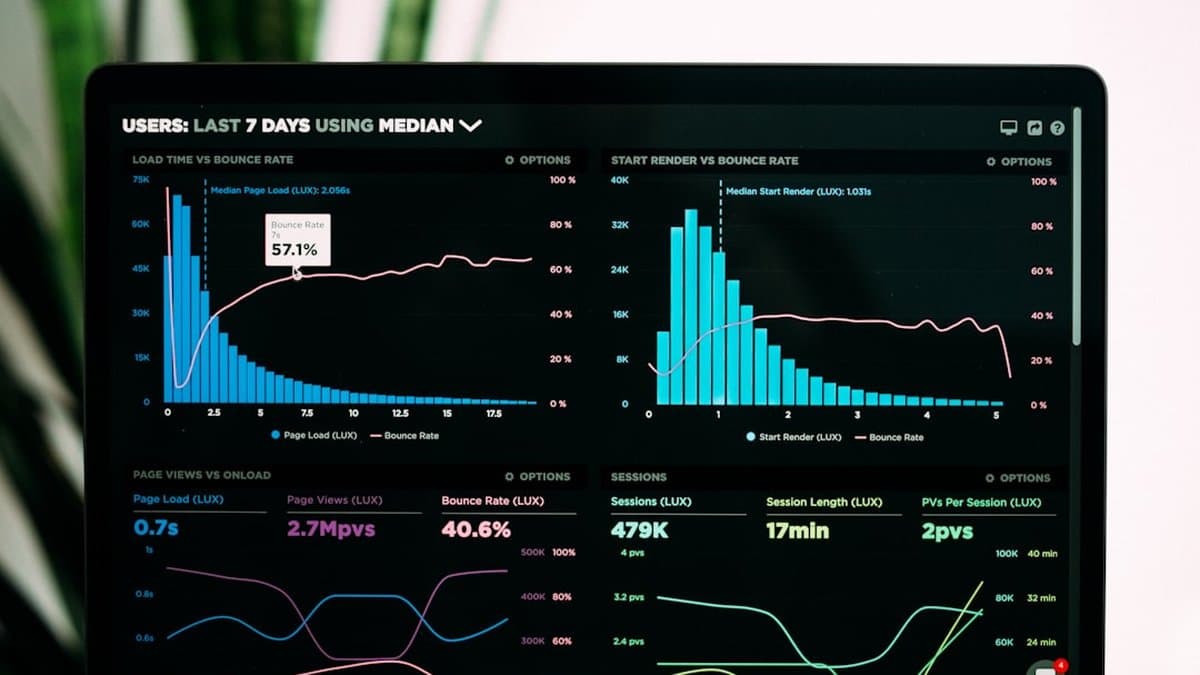
You've extracted your clips, optimized them for different platforms, and distributed them across your channels. But here's the question that actually matters: Are they working? Not in the vanity metric sense—we're not chasing view counts like they're going out of style. Instead, we need to focus on the metrics that reveal whether your clips are actually converting casual viewers into loyal podcast listeners. Let's dive into what success really looks like.
Key Metrics That Actually Matter
Stop obsessing over total views. Seriously. According to Klypse, the clips that truly drive podcast growth are those that encourage meaningful engagement and conversions, not just passive scrolling.
The metrics you should actually be tracking are:
- Watch-through rate: What percentage of people who start watching finish the clip? A 70%+ completion rate signals you've hooked them with genuinely compelling content.
- Comment volume and sentiment: Are people actually talking about what you said? Comments indicate emotional resonance and spark conversations that keep your clip visible longer.
- Clip-to-episode click-through rate: This is the golden metric. How many people who watched your clip actually clicked through to listen to the full episode? This is where clips prove their real value.
Pro Tip: Focus your energy on clips that convert viewers into listeners. A clip with 5,000 views but a 2% click-through rate to your full episode is actually underperforming compared to a clip with 2,000 views and a 15% conversion rate.
The strongest performing clips typically feature surprising insights, guest revelations, or moments of genuine emotion—not hype or shock value. Think about the clips that make you stop scrolling: they're usually the ones where someone shares something authentic or unexpected, not the ones with the loudest thumbnails.
Tracking Clip-to-Episode Conversion
Here's where most podcasters miss the mark. They create clips, share them, and then wonder why their listener count didn't budge. The problem? They're not properly tracking the connection between clips and episode listens.
Set up UTM parameters on every clip link you share. This means adding tracking codes like ?utm_source=tiktok&utm_medium=clip&utm_campaign=episode_123 to your episode links. Most podcast hosting platforms (Anchor, Buzzsprout, Podbean) automatically track where traffic comes from, so use that data ruthlessly.
According to Snippet.Live, creators who actively monitor which clips drive the most episode traffic can identify content patterns that resonate strongest with their audience. Create a simple spreadsheet tracking: clip topic, platform shared, view count, CTR to episode, and number of new listeners attributed.
Refining Your Strategy Based on Data
Raw data is useless without action. The real magic happens when you use those numbers to sharpen your content strategy for the next batch of clips.
Start A/B testing different clip formats. Try 15-second clips versus 60-second clips. Test different calls-to-action ("Listen to the full episode" versus "This is clip 3 of 5—don't miss the others"). Experiment with different opening hooks. Track everything, and let the data guide your editing decisions going forward.
Use your analytics to identify which topics consistently convert viewers into listeners. If clips about AI automation drive a 18% CTR while clips about marketing strategies only hit 6%, guess what you should be extracting more of from future episodes? Build your next guest lineup and episode topics around the themes that your audience actually wants to hear more about.
Key Point: The most successful podcasters treat clip creation as a feedback loop, not a one-way distribution channel. Every clip teaches you something about your audience's preferences.
This data-driven approach transforms clip creation from guesswork into a predictable growth lever. You're no longer creating clips and hoping they work—you're creating clips based on what you know will resonate, then using each batch of data to refine the next round. That's how you turn short-form video from a tactic into a sustainable growth engine for your podcast.
Now that you understand how to optimize your short-form strategy through continuous testing, let's zoom out and look at how to weave all these pieces together into something bigger. In this next section, we'll show you exactly how to build a complete growth engine that keeps working for you long after you hit publish.
Building Your Sustainable Podcast Growth Engine
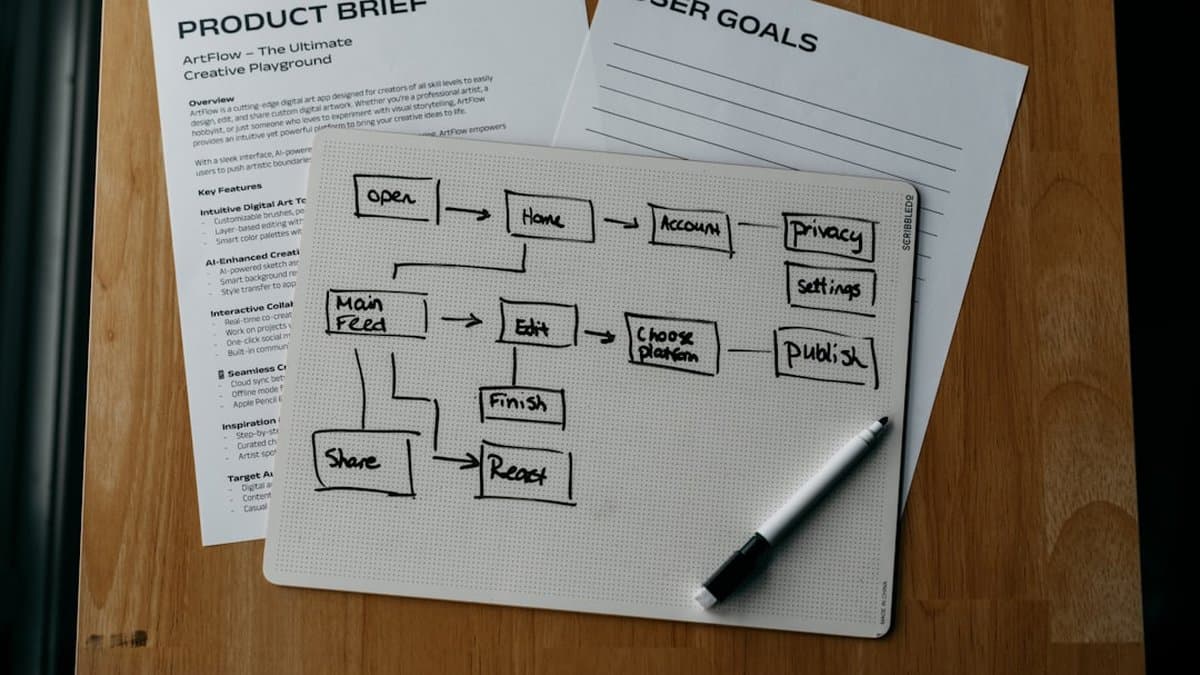
At this point, you've mastered extracting clips, optimizing them for different platforms, and measuring what actually drives growth. But here's the real question: how do you keep this momentum going without burning out? The difference between creators who quit after three months and those who build sustainable growth comes down to one thing—having a repeatable system that works with you, not against you. Let's build that system.
Creating a Repeatable Clip Extraction Workflow
The secret to sustainable growth isn't heroic effort—it's boring, predictable systems. According to Klypse, creators who establish a structured workflow see significantly more consistent output and engagement compared to those working ad-hoc.
Here's your proven four-step workflow:
- Identify moments – As you record or edit, flag the soundbites that deserve their own spotlight
- Format for platforms – Adjust dimensions, pacing, and style based on where each clip will live
- Add captions – Non-negotiable for short-form video; most viewers watch without sound
- Schedule across platforms – Batch-upload to your calendar; let scheduling tools handle distribution
- Measure results – Track which clips drive traffic back to your full episodes
The magic happens when you batch-create clips from multiple episodes at once. Instead of extracting three clips from one episode, then waiting a week to do it again, dedicate two hours to mining 30+ clips from four episodes. This reduces friction, maintains consistency, and gives you a content buffer that takes pressure off weekly deadlines.
Pro Tip: Use tools like Videotto or AI-powered platforms that automate the technical heavy lifting—timestamp detection, caption generation, and format optimization—so you can focus on creative decisions.
Scaling Without Burnout
If you're working solo, batching is your best friend. If you're building a team, clear role assignment is everything. Here's how it breaks down:
Automation handles: Timestamp detection, caption generation, format conversion, scheduling, and performance tracking. These are the repetitive tasks that drain energy without adding creativity.
Humans handle: Selecting which moments matter, writing custom headlines, approving caption accuracy, and analyzing results to inform strategy. These are the decisions that require judgment and brand voice.
When you separate these responsibilities, team members stay energized because they're not drowning in repetitive work. A producer extracts clips, a social media manager crafts captions and scheduling, and you (the host) spot-check everything for brand voice. Everyone stays focused, nothing falls through the cracks, and the whole process moves faster.
Key Point: Assign ownership. Don't say "someone handle clips." Say "Alex extracts clips on Tuesday, Jamie adds captions Wednesday, and Priya schedules Thursday." Clarity kills burnout.
Balancing Consistency With Quality
Here's a truth that contradicts most growth advice: one solid clip shared every week outperforms sporadic attempts at virality. Consistency beats perfection, every single time.
Your audience doesn't expect flawless production—they expect you to show up reliably. When they know to expect new clips every Tuesday morning, they check for them. When clips drop randomly, you're fighting against algorithmic indifference and audience expectations. Research shows that creators who maintain a consistent posting schedule see 3x higher engagement rates than those with irregular uploads, even if individual clips are higher quality.
This means you should optimize for sustainable output over perfect output. A clip that's 8/10 quality and published on schedule beats a 10/10 clip that takes six weeks and never launches. Your audience wants to hear from you regularly, and algorithms reward consistency with better visibility.
The sustainable podcast growth engine isn't built on one viral moment—it's built on small, consistent wins that compound over months. Set your workflow, assign roles, commit to consistency, and let the system do the work.
Now that you've got the roadmap for building momentum through consistency, let's wrap up with some final thoughts to keep you motivated on this journey. Because understanding the "why" behind these strategies is just as important as executing them.
Conclusion
Here's what we've covered: short-form video clips aren't a nice-to-have anymore—they're your fastest route to podcast discovery in 2026. You can generate 40+ clips per episode in minutes with AI tools or dedicate a few hours to manual editing, depending on your bandwidth. The real growth happens when you treat clips as conversion vehicles, not vanity metrics, using strategic CTAs and platform optimization to turn viewers into subscribers.
The compound effect is real. Distributing just 3-5 clips weekly, measured over 90 days, creates measurable momentum that most podcasters miss by playing it safe with audio alone.
Here's your first move: Grab your most recent episode, identify 5 clip-worthy moments, and format them for vertical video this week. Test distribution across Instagram Reels and TikTok. Tools like AutoShorts can automate the clipping and caption generation process, freeing you to focus on strategy rather than manual editing.
Then—this is crucial—track what actually resonates over the next 90 days. Refine based on real data, not guesses.
Your podcast audience is waiting on short-form platforms. Stop leaving growth on the table and start capturing it.
Frequently asked questions
You can extract 40+ shareable short-form video clips from a single 60-minute podcast episode, depending on the content quality and number of quotable moments. This means one hour of recording work can generate dozens of social media assets that drive discovery across TikTok, Instagram Reels, and YouTube Shorts without requiring additional recording time.
AI-powered tools can automate clip detection and formatting in under 15 minutes, compared to 3-5 hours of manual editing using traditional methods. Tools like Klap, Videotto, and REAP.video analyze your full episode, identify engaging moments, and automatically format them for vertical video consumption across multiple platforms.
To grow a podcast with short-form video clips, repurpose your long-form episodes into optimized vertical videos and distribute them strategically across social platforms where algorithms prioritize this content format. Include clear calls-to-action directing viewers back to your full episode, use compelling captions and hooks, and maintain a consistent posting schedule to convert casual viewers into loyal podcast subscribers.
Short-form video clips dominate social media algorithms and capture attention in seconds, making them essential for initial audience discovery in 2026's social-first world. While long-form content builds deep listener relationships, most people won't encounter your full episode organically—they discover it first through short, punchy clips that serve as entry points to your podcast.
AI automation tools are significantly more efficient, reducing creation time from 3-5 hours to under 15 minutes per episode, but manual editing gives you more creative control over clip selection and formatting. The best approach depends on your budget and time availability—AI tools work well for scaling, while manual editing suits creators who want to hand-pick their most powerful moments.
Include strategic calls-to-action in your clips that direct viewers to your full episode, optimize captions with compelling hooks that tease the full conversation, and ensure your podcast is easy to find on major platforms. Make each clip feel like an incomplete story that leaves viewers curious enough to listen to the full episode for deeper insights and context.