Compare AI avatars and real creators for shorts. Analyze costs, speed, authenticity, and ROI to choose the right strategy for your brand.
Introduction
If you're navigating the content creation landscape in 2026, you've likely encountered a pivotal question: should you invest in AI avatars or bet on real creators? The rise of sophisticated tools like YouTube's AI avatar system, HeyFish, and inReels has democratized video production, enabling brands to generate polished content at scale without traditional filming overhead. Meanwhile, authentic human creators continue proving that genuine storytelling and emotional resonance drive meaningful audience engagement. Both approaches command significant followings across short-form platforms, yet they operate under fundamentally different economics and capabilities. This comparison matters because your choice directly impacts your production budget, content velocity, brand authenticity, and long-term audience loyalty. In this analysis, we'll examine five critical dimensions—cost per video, production speed, authenticity and emotional connection, scalability, and content quality and performance—to determine which approach delivers superior results for your specific objectives. Let's begin by evaluating the most immediate consideration: production costs.
Cost Per Video: AI Avatars vs Real Creators

AI Avatars: Budget-Friendly Production
According to InReels, AI UGC tools cost approximately $0.60 per 20-second video for good quality models, scaling up to $5 per 20-second video for premium options. YouTube's AI avatar feature enables unlimited generation after initial setup, eliminating per-video expenses entirely.
Real Creators: Significant Investment
HeyFish reports that real UGC creators cost $250+ per video, with traditional human production involving substantial expenses for equipment, personnel time, and post-production services.
Winner: AI Avatars
The cost differential is striking: AI avatars deliver 50-400x lower per-video expenses compared to real creators. For scaling content production, AI avatars provide unmatched financial efficiency while maintaining acceptable quality standards.
Production Speed: AI Avatars vs Real Creators

AI Avatars: Speed Leader
According to InReels, AI avatars can generate video content in approximately 3 minutes. Meta AI reports that YouTube's AI avatar tool creates clips up to 8 seconds long without manual filming. This efficiency enables creators to post 3x daily, significantly accelerating content distribution.
Real Creators: Time-Intensive Process
The Faceless Creator Playbook indicates that real creator production takes approximately 2 weeks from concept to delivery, encompassing filming, editing, revisions, and scheduling.
Winner: AI Avatars
With a 3-minute turnaround versus 2-week timelines, AI avatars deliver unprecedented production velocity, making them ideal for high-volume content strategies requiring rapid iteration and frequent posting schedules.
Authenticity and Emotional Connection: AI Avatars vs Real Creators

AI Avatars
According to VirVid, AI avatars deliver algorithm-optimized, controversy-free content. However, VirVid warns that audiences increasingly cannot distinguish AI from human content, raising critical concerns about identity authenticity and digital trust. While AI avatars can convincingly mimic real creators' faces and voices, this capability creates ethical challenges around deception and authenticity perception.
Real Creators
DotMe's comparative study confirms that human creators excel at authentic emotional connection and cultural nuance. They build loyal communities through genuine storytelling, personality, and imperfection. APSGy's research indicates audiences specifically value real faces and personal connections, prioritizing human authenticity over algorithmic optimization.
Winner: Real Creators
Genuine human connection and verifiable authenticity remain irreplaceable competitive advantages in building lasting audience trust.
Scalability: AI Avatars vs Real Creators

AI Avatars: Unlimited Production Capacity
According to Opus Pro's Faceless Creator Playbook 2026, AI avatars demonstrate exceptional scalability with adoption rates of 38.7% in Lifestyle & Aesthetic, 34.8% in Tech & Innovation, and 25.9% in Finance & Commerce. AI systems generate unlimited content variations without fatigue or quality inconsistency, enabling 24/7 production cycles.
Real Creators: Inherent Limitations
Virvid AI research identifies that real creators face fundamental scaling constraints. On-camera appearances impose a significant "tax" consuming time, requiring wardrobe decisions, and demanding consistent mental state management. Physical and mental fatigue inevitably limits output volume.
Winner: AI Avatars
AI avatars decisively win on scalability, offering boundless production capacity versus creators' inherent time and fatigue constraints.
Content Quality and Performance: AI Avatars vs Real Creators

AI Avatars Performance
According to ShortFuel, AI and human shorts perform differently depending on use case, with AI content optimized for metrics and algorithm retention. Opus Pro reports that third-person perspective—compatible with AI avatars—dominates viral TikToks at 77.8%. However, VirvID notes audiences can sometimes detect AI quality issues, potentially impacting credibility.
Real Creators Performance
Real creators excel where authenticity matters most. VirvID confirms human-created content wins on cultural nuance, storytelling polish, and personality. Human creators demonstrate superior performance building loyal, engaged communities and performing well on authenticity-driven metrics and brand trust.
Winner: Real Creators for sustained engagement and trust, though AI avatars excel at algorithmic optimization.
Ease of Use and Setup: AI Avatars vs Real Creators
AI Avatars
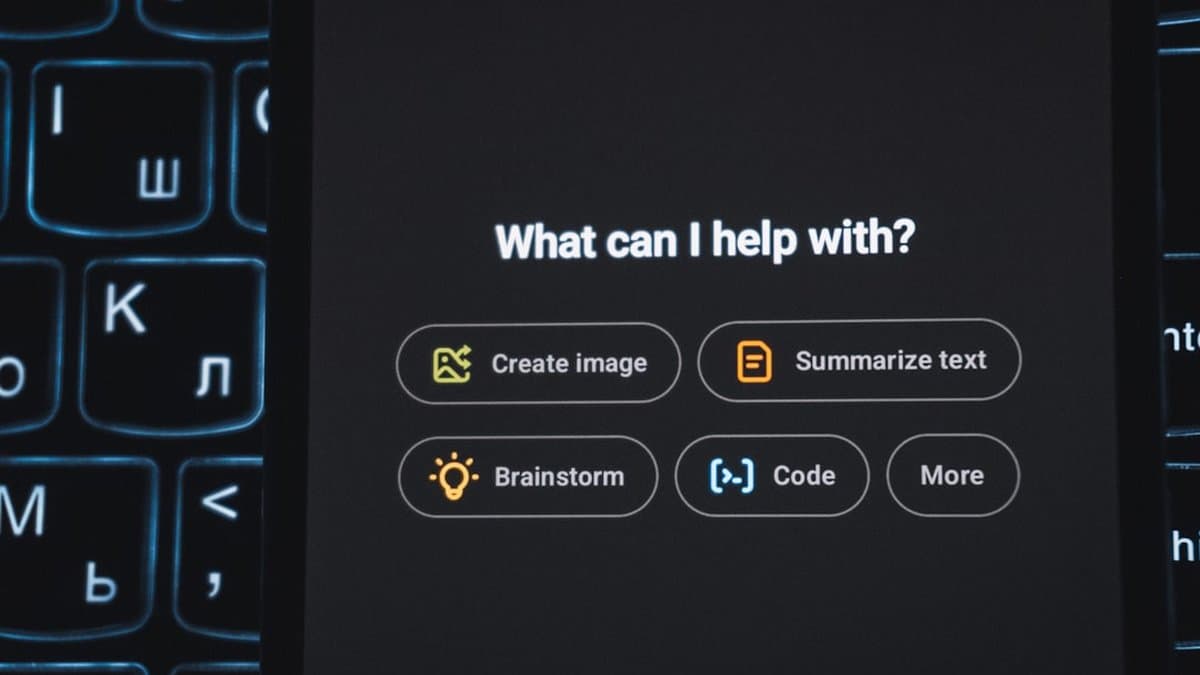
According to Film and Pen, AI avatars simplify video creation without requiring a camera or extensive editing skills. YouTube's system requires a single initial setup: recording a video following on-screen prompts to capture facial features and voice. Once complete, creators can generate unlimited future content through simple text prompts, eliminating ongoing filming and editing demands.
Real Creators
Real creator content demands significantly more technical infrastructure. Opus Pro notes that real creators require filming equipment, advanced technical skills, editing proficiency, wardrobe management, and consistent mental and physical presence—creating substantial barriers to entry.
Winner: AI Avatars
AI avatars decisively win on ease of use and setup. The minimal initial investment and text-based content generation eliminate technical complexity, making professional-quality video production accessible to non-technical creators.
Risk and Controversy Management: AI Avatars vs Real Creators

AI Avatars
According to dotme.in's comparative study, AI avatars are "algorithm driven personas engineered to be flawless, consistent and controversy free." They provide predictable brand control without fatigue or personal risk. However, 1950.ai research highlights significant identity ownership concerns around consent and authenticity.
Real Creators
Real creators face risks including personal controversy, brand fatigue, private life intrusion, and inconsistent output due to personal circumstances. Yet they deliver authentic human connection and trust that cannot be replicated.
Winner: Real Creators
Despite reputational risks, authentic human connection and genuine trust remain irreplaceable assets in building lasting audience relationships and credibility.
Conclusion
The definitive winner in the AI Avatars versus Real Creators debate is neither singular approach—it is the hybrid model that strategically combines both. This conclusion reflects the nuanced reality of short-form content creation in 2026, where business objectives, budget constraints, and audience expectations demand flexibility rather than ideological commitment to one methodology.
The Evidence is Clear
AI avatars decisively win on operational metrics: cost efficiency (90%+ savings), production velocity (minutes versus weeks), and scalability. These advantages are particularly compelling for performance-driven campaigns and high-volume content requirements. However, real creators maintain an insurmountable lead in authenticity, emotional resonance, and trust-building—factors that directly correlate with long-term brand loyalty and community engagement.
Strategic Implementation
Your choice depends entirely on business priorities. Choose AI avatars if you operate as a DTC brand, SaaS startup, or e-commerce seller where rapid iteration and cost optimization drive revenue. Choose real creators if your value proposition depends on genuine human connection, lifestyle positioning, or industries where trust is non-negotiable.
The most successful organizations recognize these are complementary assets, not competitors. Deploy AI avatars for educational tutorials, product demonstrations, and volume content production. Reserve human creators for personality-centric storytelling and community connection.
To maximize efficiency across either approach, complement your strategy with tools like AutoShorts, which transforms your content library into platform-optimized short-form videos with automated captions and speaker detection—ensuring consistent quality and distribution speed regardless of your content source.
The future belongs to strategic versatility, not dogmatic choice.
Frequently asked questions
AI avatars cost approximately $0.60 to $5 per 20-second video, while real UGC creators charge $250+ per video. This means AI avatars deliver 50-400x lower per-video expenses, making them significantly more cost-effective for brands looking to scale content production without breaking their budget.
AI avatars can generate video content in about 3 minutes, enabling creators to post multiple times daily. Real creators typically take 2 weeks from concept to delivery, including filming, editing, and revisions. This dramatic speed advantage makes AI avatars ideal when you need high-velocity content distribution.
Both AI avatars vs real creators have proven track records on Shorts, but they perform differently based on your goals. AI avatars excel at high-volume, cost-efficient content production, while real creators drive stronger emotional connection and authenticity, which can lead to better long-term audience loyalty.
YouTube's AI avatar feature and third-party tools allow content monetization, but some platforms have specific restrictions on AI-generated content revenue. It's important to review platform-specific monetization policies, as rules differ between AI-generated and human-created content regarding eligibility and revenue sharing.
Real creators build trust through genuine storytelling and emotional resonance that connects with viewers on a personal level. AI avatars, while increasingly photorealistic, can lack the authenticity and human vulnerability that audiences find compelling, which may impact long-term engagement and community loyalty.
AI avatars are superior for scaling when your priority is production speed and cost efficiency, allowing unlimited content generation after initial setup. However, if audience authenticity and emotional engagement are critical to your brand, combining both approaches—using AI avatars for high-volume content while featuring real creators for key brand messaging—may deliver the best results.
Consider your priorities: choose AI avatars if you need cost-effective, rapid content production at scale, and select real creators if authentic storytelling and emotional connection are essential to your brand identity. Many successful strategies use both approaches simultaneously, leveraging AI avatars for volume and real creators for building genuine audience relationships.