Learn to create engaging healthcare videos with AI while maintaining HIPAA compliance. Protect patient privacy and avoid $50K+ penalties.
Introduction
Doctors are opening TikTok between shifts. Medical students are watching Instagram Reels instead of textbooks. Yet most healthcare creators remain paralyzed by one question: How do I create engaging short-form video without violating HIPAA or compromising medical accuracy?
The opportunity is massive—healthcare creators now compete for attention on the same platforms as everyone else. But the stakes feel impossibly high. You're juggling patient confidentiality, regulatory compliance, clinical credibility, and the need to actually sound like a human being, not a legal document. Add AI tools to the mix, and suddenly you're drowning in questions: Which AI platforms are HIPAA-compliant? Can I use this video template without accidentally exposing PHI? Will the medical board come after me if I use AI voiceovers?
Here's the good news: You don't need a law degree to create compliant, engaging healthcare content with AI.
This guide demystifies AI video creation for healthcare professionals by translating compliance jargon into actionable workflows. You'll learn how to leverage AI efficiency while maintaining clinical credibility, protecting patient privacy, and avoiding the $50,000-per-incident HIPAA penalties that can derail your creator journey.
Ready to turn your medical expertise into scroll-stopping content? Let's dive in.
Now that you understand what's at stake, let's break down exactly how HIPAA compliance actually works in the short-form video world—because protecting your audience's trust doesn't have to be complicated. We'll walk through the specific rules and practical strategies that'll keep you creating confidently without the legal headaches.
Understanding HIPAA Compliance in Short-Form Medical Video Content

Here's the honest truth: not every medical video you create requires HIPAA compliance, but the ones that do carry serious penalties if you get it wrong. The difference between a compliant educational video and a violation that triggers $50,000+ fines often comes down to one simple question: Does your content contain identifiable patient information? Let's break down what actually matters, how to protect sensitive data, and the practical steps you can take starting today.
What Actually Counts as Protected Health Information (PHI)
This is where many healthcare creators get confused. According to X-Pilot, generic anatomical models and disease animations do NOT require HIPAA compliance—you can safely create videos showing how insulin works, explaining heart disease pathophysiology, or demonstrating surgical techniques using stock footage or 3D animations without triggering regulatory concerns.
The problem starts when you include identifiable patient content. This means patient imaging (X-rays, MRIs, CT scans with visible markers), case studies where someone could recognize the patient, or even details like "a 52-year-old male from Cleveland with this rare condition." PHI includes 18 specific identifiers under HIPAA regulations, and it's broader than you might think—it's not just names and dates of birth, but also unique anatomical features, medical record numbers, and biometric identifiers.
Warning: A single patient's name in video metadata, a recognizable scar in footage, or an identifiable medical image can constitute a HIPAA violation, even if the rest of the content seems generic.
The distinction matters because it determines whether you need patient consent, de-identification procedures, or Business Associate Agreements with your platform.
The De-Identification Safe Harbor Method
If you want to feature actual patient cases or medical imaging in your short-form content, HIPAA gives you a legitimate pathway: the Safe Harbor method. This approach removes 18 specific identifiers that could re-identify a patient, including names, dates of birth, addresses, telephone numbers, medical record numbers, and unique anatomical features that could allow someone to recognize them.
De-identification goes beyond just blurring a face. You'd need to remove or obscure any distinctive marks, scars, or anatomical variations that combined could identify someone. You'd also strip metadata from images—timestamps, location data, and imaging equipment serial numbers. Research from Mootion shows that properly de-identified content can be used in educational contexts without triggering HIPAA requirements, making it a valuable option for case-based learning on social platforms.
However, de-identification carries real responsibility. You can't just think you've removed enough identifiers—HIPAA requires a documented, systematic process. This means keeping records of exactly what was removed and why, ideally with a healthcare privacy expert reviewing your work.
Key Point: De-identification is permanent and irreversible. Once you've stripped identifiers, you cannot re-identify the patient later, so this approach only works if you truly don't need the original information.
Practical HIPAA Checklist for Healthcare Creators
The stakes are real: violations carry penalties of $50,000 per incident with annual maximums reaching millions—and a single metadata exposure can trigger enforcement action. But compliance doesn't require perfection; it requires documented effort. Here's your actionable starting point:
Pro Tip: During audits, regulators look for evidence of good-faith compliance effort more than perfection. Your documented decision-making process—even if imperfect—demonstrates you're taking privacy seriously and can significantly reduce potential penalties.
The compliance foundation matters because it lets you create with confidence. Once you understand these boundaries, you can focus on what you do best: making medicine accessible and engaging for your audience.
Now that you've got that confidence locked in, it's time to find the tools that'll help you bring your vision to life—and not all AI video tools are created equal when it comes to healthcare content. Let's explore the best options specifically designed for creators like you who need compliance built right in.
Choosing AI Video Tools Specifically Built for Healthcare Creators
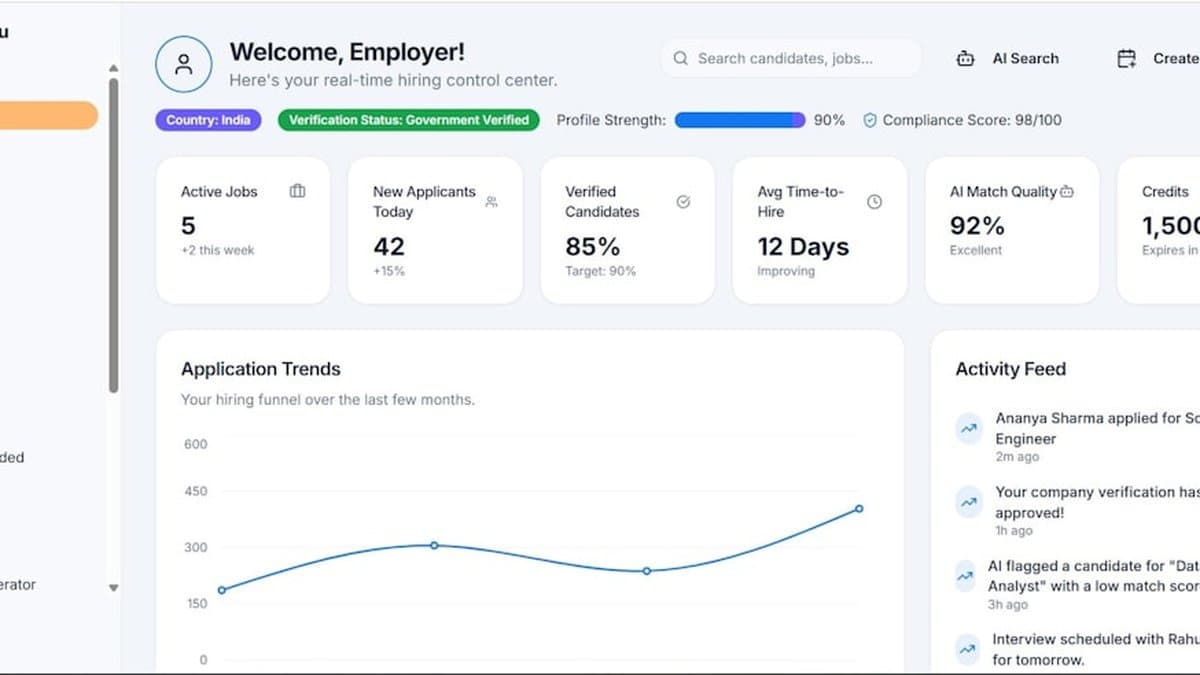
Not all AI video platforms are created equal—especially when you're creating medical content. The tools you choose can mean the difference between a polished, accurate educational video and one that spreads medical misinformation. Let's walk through the specific features and certifications that separate healthcare-grade platforms from generic video creators.
Source-Linked AI vs. Generative Models: Why Accuracy Matters
This is where things get critical. There are two fundamentally different approaches to AI video creation, and they have vastly different implications for medical accuracy.
Generative AI models (think ChatGPT-style tools) generate content from patterns in training data. They're powerful for creative work, but they come with a serious problem: hallucinations. A generative model might confidently state that a medication has side effects it doesn't have, or suggest a treatment protocol that contradicts current clinical guidelines—and it'll sound completely plausible. For healthcare creators, this is a liability nightmare.
Source-linked AI tools, by contrast, preserve 100% fidelity to your script. According to Mootion, platforms that anchor video generation to your written content eliminate the risk of the AI introducing medical errors. What you write is what gets produced—no improvisation, no hallucinations, no surprises.
Warning: Always verify whether your platform uses generative or source-linked AI. Generative models are cheaper and faster, but they're a risk you can't afford in healthcare content.
Platform Features Essential for Medical Content
Beyond accuracy, healthcare-specific platforms need robust security and accessibility features built in from the ground up.
Look for platforms offering:
- Code-based rendering instead of cloud-only processing (better for sensitive data)
- End-to-end encryption for all content uploads and storage
- Access controls and audit logging to track who accessed your videos and when
- Business Associate Agreements (BAAs) that explicitly cover AI processing
- Multilingual voiceovers and captions—essential for reaching diverse patient populations and meeting accessibility standards under the Americans with Disabilities Act (ADA)
According to VIDEOAI.ME, platforms like Steve.ai, Flixier, and OnDoc.ai have emerged as leaders in HIPAA-compliant medical video production, capable of transforming SOPs into polished videos in minutes instead of weeks. This speed matters when you're trying to scale educational content without sacrificing compliance.
Pro Tip: Ask vendors directly about their infrastructure. Do they use edge processing? Do they delete files after rendering? Request their SOC 2 Type II audit reports—they're proof of security standards.
Evaluating HIPAA Compliance Certifications
Compliance certifications aren't just boxes to check—they're evidence that a platform has been audited by third parties against real security standards.
When evaluating platforms, verify they provide:
- Business Associate Agreements (BAAs) signed and ready to go
- HIPAA compliance certifications with dates and scopes clearly defined
- SOC 2 Type II compliance (covers security, availability, and confidentiality)
- Support for integration with patient portals, learning management systems (LMS), and electronic health records (EHR) systems—critical if you're embedding videos directly into clinical workflows
The platform you choose should feel like it was built for healthcare creators, not retrofitted afterward. That makes all the difference in keeping your workflow efficient and your practice protected.
Now that you've found the right platform foundation, let's talk about the next critical layer: ensuring everything you create meets rigorous medical standards. We'll walk you through building a verification workflow that keeps your content accurate without slowing down your creative process.
Building Your Medical Accuracy Verification Workflow

Here's where most healthcare creators stumble: they assume that because AI can generate video content quickly, the accuracy process can be equally fast. It can't. Your verification workflow is actually the most critical piece of your entire production pipeline—it's what separates educational content from liability. Let's build a system that keeps your clinical credibility intact while still maintaining realistic timelines.
The Three-Layer Verification Framework
According to Mootion, healthcare creators need a structured approach to validation that doesn't rely solely on AI-generated scripts. This is where your three-layer verification framework comes in.
Layer 1: Subject Matter Expert (SME) Script Review starts before any video generation happens. This is non-negotiable. A qualified healthcare professional—whether that's you, a colleague, or a contracted specialist—must write or review every single script. Never rely solely on AI to generate clinical content. Your SME reads the script for clinical accuracy, appropriate scope, and alignment with current guidelines. They're looking for outdated recommendations, oversimplifications that could mislead viewers, and any statements that could violate scope of practice.
Layer 2: Evidence Validation means checking every clinical claim against peer-reviewed sources. If your script mentions specific statistics, dosing information, or treatment protocols, your verification team documents where that information comes from. Create a simple spreadsheet that ties each claim to its source—PubMed citations, guidelines from organizations like the AMA or specialty boards, or current evidence reviews. This isn't busy work; it's your legal trail.
Layer 3: Peer Review Before Publishing adds one final checkpoint. Before your video goes live, have another qualified professional review the final output. They're checking that the AI-generated visuals actually match the narration, that nothing got lost in translation, and that the overall message is sound.
Warning: Skipping any of these three layers significantly increases your liability risk, especially if your content is later disputed or audited.
Script Review Best Practices
The way you organize script review directly impacts how quickly you can produce content without cutting corners. Research from VIDEOAI.ME shows that structured workflows help healthcare creators maintain both speed and accuracy—and batch scripting is your secret weapon.
Write 10-15 scripts in a single session rather than churning them out one at a time. When you're in "script mode," your SME can review all of them in a focused block, catching inconsistencies and patterns rather than reviewing scripts in isolation weeks apart. After your SME approves the batch, generate all the videos with AI in one workflow. This batching approach means you're not context-switching constantly between writing, reviewing, and producing.
Create a documented sign-off process with timestamps. Every script should have approval dates, reviewer initials, and what specifically was verified. This becomes your compliance evidence. If you're ever audited or someone disputes your content, you have proof that qualified professionals reviewed everything before publication. Keep these records for at least three years—the same timeline most healthcare regulatory bodies use.
Handling Updates When Medical Guidelines Change
Here's what most creators don't anticipate: guidelines change. CMS updates recommendations. New studies overturn old practice standards. Regulatory bodies issue alerts. Your content doesn't become permanently outdated the moment it's published, but you need a system for responding quickly when the evidence shifts.
Rather than rebuilding entire videos from scratch, regenerate only the affected sections. If you created a 90-second video about hypertension management and the guideline threshold changed, you might only need to regenerate 15 seconds of narration and video. This is where your batching approach pays dividends again—you can update multiple videos simultaneously if they're all affected by the same guideline change.
Pro Tip: Create a "Last Reviewed" timestamp in your video description or pinned comment. This tells viewers when the content was last verified against current guidelines, building trust and giving you a clear reminder when to revisit older videos.
According to X-Pilot, healthcare creators who maintain an audit trail of all updates—including what changed and why—demonstrate the kind of professional rigor that actually strengthens their credibility rather than undermining it. Document what guideline changed, when you became aware of it, and when you updated your content. This shows you're engaged with current evidence, not just publishing and forgetting.
The verification workflow isn't a bottleneck—it's your competitive advantage. While other creators are dealing with accuracy complaints and takedown notices, you're building an audience that trusts every single word you produce.
Now that you understand how accuracy builds trust, let's talk about putting this into practice across the platforms where your audience actually hangs out. Because the best fact-checking strategy in the world needs to meet your creators where they are—and that looks different on TikTok than it does on LinkedIn.
Platform-Specific Best Practices for Healthcare Creators

Each platform has its own rhythm, audience behavior, and content preferences—and what works brilliantly on TikTok might fall flat on YouTube. The key to maximizing your reach as a healthcare creator is understanding these nuances and tailoring your content accordingly. Let's walk through the platform-specific strategies that'll help you build authority, engage your audience, and stay compliant across all channels.
TikTok for Medical Education: Hook-Teach-Takeaway Format
TikTok's fast-paced environment demands immediate attention. According to VIDEOAI.ME, the most effective medical TikToks follow a strict 30-60 second format with a powerful hook in the first 2-3 seconds. Think "Most students get this wrong" or "Doctors hate this one trick" (when appropriate and ethical). Your hook should immediately signal why the viewer should keep watching.
Once you've captured attention, move directly into your teaching segment. Use clear, memorable mnemonics or key points that viewers can actually retain. For example, instead of listing six symptoms of diabetic ketoacidosis, create a memorable acronym or visual that sticks in their mind. End with a concrete takeaway—a single actionable insight viewers can use immediately.
Pro Tip: TikTok's algorithm rewards videos that get watched multiple times. When your content is genuinely memorable, people rewatch it—and that signals value to the platform.
Instagram Reels for Patient Education: Visual Clarity First
Instagram Reels require a different approach, particularly because many viewers watch without sound. This means your visual design and on-screen text are doing 80% of the heavy lifting. Overlay clear, easy-to-read captions directly on your visuals so viewers understand your message whether sound is on or off.
This platform is ideal for patient-facing education rather than clinical deep-dives. Focus on practical health tips, prevention strategies, and wellness concepts that resonate with the general public. Always include explicit disclaimers that your content is educational in nature and not diagnostic or treatment advice. Frame everything as educational tools that encourage viewers to consult their own healthcare providers.
Warning: Never present content as personalized medical advice or diagnosis. Your disclaimer should be visible and clearly stated—not buried in the caption.
YouTube Shorts for Clinical Authority Building
YouTube Shorts allow slightly longer format videos (5-10 minutes), which means you can dive deeper into clinical explanations while still maintaining short-form engagement. This extended format is your secret weapon for building authority. Deeper explanations demonstrate mastery and improve watch time metrics, signaling quality content to YouTube's algorithm.
Use YouTube Shorts to reference specific studies, explain clinical reasoning, or walk through case presentations in detail. Your longer format naturally builds credibility because you're not oversimplifying complex topics. Research from X-Pilot shows that healthcare creators who include citations and reference professional guidelines in their video descriptions see significantly higher credibility ratings from viewers.
Across all three platforms, consistent disclaimers are non-negotiable. Your viewers need to understand that you're providing educational content, not personal medical advice. Make these disclaimers visible, clear, and hard to miss—whether through text overlays, verbal statements, or both. This protects your audience, builds trust, and keeps you compliant with regulatory expectations.
Now that you've got the foundation of compliant content down, let's talk about the real challenge: creating that content consistently without running yourself ragged or accidentally cutting corners on compliance. We'll explore how to scale your production smartly, so you can grow your reach while keeping those protective measures intact.
Scaling Content Production Without Burnout or Compliance Risk
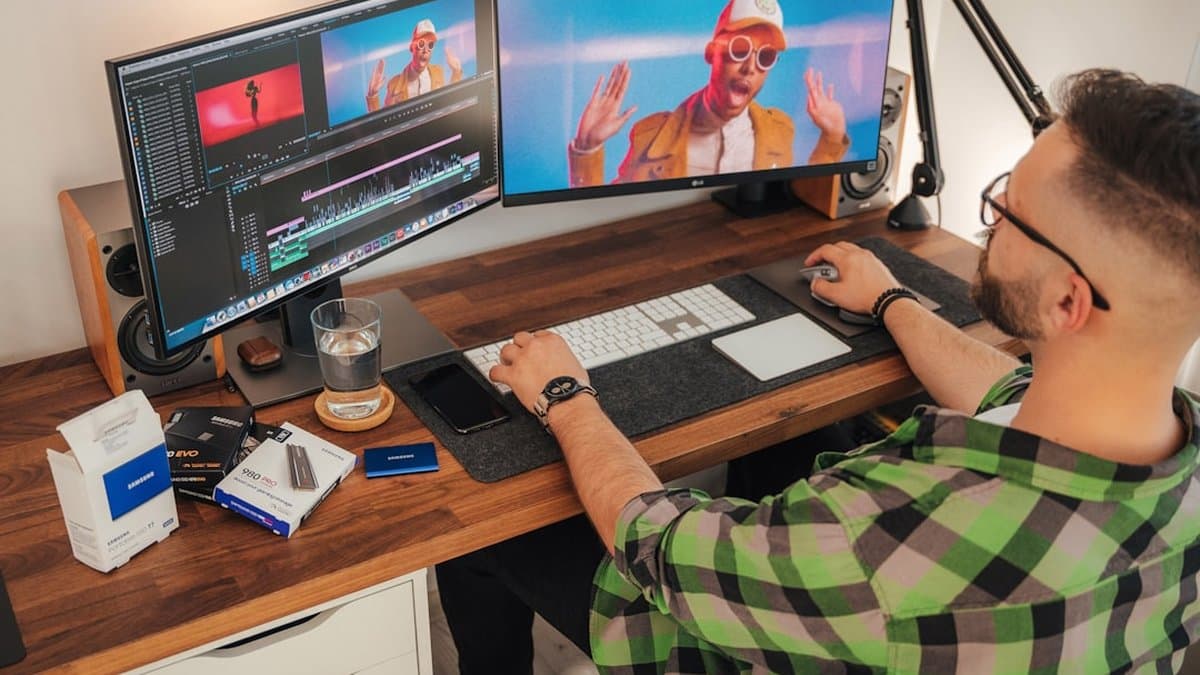
Creating consistent, compliant healthcare content shouldn't drain you to the point where you're posting stale videos or cutting corners on accuracy just to hit a publishing deadline. The secret isn't working harder—it's working smarter by building systems that protect both your wellbeing and your clinical credibility. Let's explore how to scale sustainably without sacrificing the quality that makes your audience trust you.
Batch Creation Workflows for Efficiency
Here's a game-changer: instead of filming one video at a time, dedicate a single day or two-day session every two weeks to batch-create 8–12 videos at once. According to Mootion, batch filming and scriptwriting 2–3 weeks of content in a single session reduces cognitive load and prevents stale, repetitive videos that audiences quickly learn to ignore.
When you batch-create, you're in a consistent mental and creative flow. You've already researched the topics, so you're not context-switching between different areas of medical knowledge. Your energy stays high, your tone remains consistent, and you avoid the burnout that comes from daily content creation pressure. Plus, this approach gives you time to let scripts breathe before recording—you'll catch awkward phrasing or potential accuracy issues before they end up in your final video.
Pro Tip: Set a specific batch day each month. Block it on your calendar like a patient appointment—non-negotiable. You'll find your rhythm faster and your audience will thank you for the consistency.
Team Collaboration on Compliance Reviews
You don't have to be the sole gatekeeper of medical accuracy. Use shared compliance spreadsheets to assign review tasks to colleagues and track approval timelines to meet publishing schedules. Create a simple tracking sheet that lists each video, its topic, reviewer assignments, and approval status. This distributes the cognitive burden and significantly speeds up the verification process.
When multiple colleagues review content, you also catch blind spots. A cardiologist might miss a subtle error in pulmonology content that a pulmonologist would catch instantly. Assign reviews based on specialty—it's not just faster, it's more thorough. Set clear deadlines for each review stage so nothing gets stuck in approval limbo while your publishing schedule waits.
Monetization Strategies That Don't Compromise Accuracy
Here's the uncomfortable truth many creators face: medical accuracy is your competitive moat—don't chase viral sensationalism with unsubstantiated claims just because it drives views. Short-term sponsor revenue from promoting unvetted supplements or exaggerated health claims will tank your long-term credibility faster than you can say "lawsuit."
Instead, focus on partnerships that align with your clinical values. Stick to evidence-based information and cite sources publicly. When you do pursue monetization, be transparent about it. According to VIDEOAI.ME, creators who disclose their use of AI video tools transparently in bios or periodic posts actually gain more audience trust—people appreciate honesty about technology use.
Warning: Avoid sponsorships that create conflicts of interest. Your clinical credibility is worth exponentially more than short-term sponsor revenue. Once you lose trust, rebuilding it takes years.
Disclose AI tool usage openly. Show your audience you're leveraging technology responsibly—it's not deception, it's transparency. This builds deeper trust than creators who hide their process. Your audience wants to know they're learning from someone who's honest about how they work, not someone trying to appear superhuman.
So as you can see, building trust through authenticity isn't just nice to have—it's the foundation of a sustainable creator career. Let's wrap up what this all means for you and your journey forward.
Conclusion
Here's what we've covered: HIPAA compliance and medical accuracy aren't roadblocks to your short-form video success—they're actually the foundation that builds trust, credibility, and sustainable growth. By implementing clear PHI policies, establishing documented SME reviews, and being transparent with your audience, you transform compliance from a legal checkbox into your competitive advantage.
The numbers speak for themselves. AI video tools have slashed production costs from thousands of dollars per hour down to minutes per video when paired with proper verification workflows. That's not just efficiency—that's opportunity. You can now create the educational content your audience craves without burning out or bleeding money.
But here's the critical part: short-form medical education is reshaping how healthcare professionals learn and earn, but only when you prioritize evidence-based accuracy and patient privacy from day one. There's no shortcut that's worth risking your reputation or your patients' privacy.
Ready to get started? Draft your first 5-10 script outlines this week, assign your SME reviewers, and choose a HIPAA-certified platform. Tools like AutoShorts can help automate the clipping and caption process, letting you focus on clinical accuracy and strategy rather than manual editing. Your future audience—and your peace of mind—will thank you.
Your compliant, credible content empire starts now.
Frequently asked questions
Protected health information includes identifiable patient imaging (X-rays, MRIs, CT scans), case studies where someone could recognize the patient, and other personal details that reveal a patient's identity. Generic anatomical models, disease animations, and educational content using stock footage or 3D animations do NOT require HIPAA compliance, making it safe to create videos explaining medical concepts without regulatory concerns.
Start by determining whether your content contains identifiable patient information—if it doesn't, many videos can be created freely without HIPAA restrictions. When creating AI short-form video for doctors and healthcare creators, use HIPAA-compliant AI platforms, avoid including patient-recognizable details, and implement a compliance checklist before publishing to ensure you're protecting sensitive data while maintaining clinical credibility.
Each HIPAA violation in healthcare video content can result in fines of $50,000 or more per incident, which can quickly derail a creator's career and finances. These penalties apply whether violations are intentional or accidental, making it critical to understand compliance requirements before posting content that could expose patient privacy.
Traditional medical video production costs between $5,000-$15,000 per hour of content and requires over 100 hours for complex demonstrations like surgical procedures. AI video generation dramatically reduces these costs and production timelines while maintaining quality, allowing healthcare creators to produce more frequent, engaging content without the budget constraints of traditional methods.
Doctors increasingly open TikTok between shifts and medical students watch Instagram Reels instead of textbooks, making short-form video the dominant medium for medical education consumption. This shift means healthcare creators must adapt to platform-specific formats and engagement strategies to reach their audience where they're actually learning and studying.
AI voiceovers are generally safe to use in medical videos as long as the video content itself doesn't contain identifiable patient information or violate medical accuracy standards. The key is ensuring your AI tools are HIPAA-compliant and that you're fact-checking all clinical content regardless of whether voiceovers are AI-generated or human-recorded to maintain medical credibility and board compliance.