Learn how therapists can use AI video tools safely with the Warm + Clear + Ethical framework. Scale mental health content without compromising ethics or client trust.
Introduction
Here's the hard truth: over 62% of people who could benefit from therapy never seek it. They don't know where to start. They feel ashamed. They can't find the right fit. And often, they never hear from a mental health professional who speaks their language.
Short-form video has changed that. TikTok, Instagram Reels, and YouTube Shorts are where people actually are—scrolling, seeking answers, building courage to take that first step. For therapists and mental health creators, these platforms are gold. A 30-second video about anxiety management or grief reaches thousands of potential clients who've never sat in a therapist's office.
But here's what holds most of you back: AI video tools. They feel risky. You're worried about accuracy, liability, authenticity. Will your clients trust AI-generated content? Does it compromise your clinical credibility?
The answer might surprise you.
AI-powered short-form video tools don't replace your expertise—they amplify it. They can cut your production time by 60–70% and help you show up consistently without burning out. But only if you use them the right way.
In this guide, you'll discover a "Warm + Clear + Ethical" framework that therapists are already using to scale their reach safely. We'll walk through HIPAA compliance, therapeutic boundaries, and real workflows that keep ethics front and center. Let's dive in.
So what does that ethical foundation actually look like in practice? Let me introduce you to the Warm + Clear + Ethical Framework—a three-part approach designed specifically to help therapists create AI mental health shorts that feel genuinely helpful, never manipulative.
The Warm + Clear + Ethical Framework for AI Mental Health Shorts

Mental health content sits in a unique space—it's not just about information, it's about connection. When someone scrolls past your AI-generated short, they're often in a vulnerable moment. They're scared, confused, or desperate for validation. This means every second of your video needs to feel emotionally safe, even if it's created by artificial intelligence. The good news? AI can absolutely deliver warmth when you script intentionally for it.
Pro Tip: Mental health videos don't need 4K cinematography or trending audio. They need a voice that sounds like someone who gets it—not a corporate narrator rushing through bullet points.
Why Tone Matters More Than Production Quality
Here's what the research confirms: according to VIDEOAI.ME, therapists and mental health creators who prioritize authentic, conversational tone over production polish see significantly higher engagement and trust from viewers. People don't abandon your video because the lighting isn't perfect. They leave because the message feels robotic, dismissive, or detached.
When scripting AI mental health shorts, slow down. Build in validating language before offering any advice. Instead of jumping straight to "here's what you should do," start with "what you're feeling right now is completely normal." This single adjustment transforms a clinical video into a compassionate conversation. Your AI narrator can deliver empathy just as effectively as a human therapist—but only if you write for it intentionally.
The real power? AI can repeat this warm, validating tone consistently across dozens of videos without burnout. A human creator might rush their afternoon takes, but your AI script will sound just as genuine on video 47 as it does on video one.
The Single-Message Principle That Prevents Misinformation
One of the biggest dangers of mental health shorts is scope creep. Creators try to fit too much into 30 seconds—symptoms, causes, treatments, coping strategies, and when to seek professional help. The result? Diluted, confusing information that might actually do more harm than good.
According to Psychreg, the most effective AI-generated mental health content adheres to a single, specific, actionable message. One video teaches one grounding technique. Another video shows how to find a therapist in your area. A third validates what anxiety attacks feel like. Each video stands alone, laser-focused.
This principle protects you and your audience. When you commit to one clear message, you eliminate the risk of oversimplifying complex conditions or giving advice that contradicts professional standards. It also makes your content more shareable—people know exactly what they're getting and can pass it to someone who needs that specific help.
Key Point: Use this proven structure for every short: Validate → Name the experience → Offer one next step → Encourage help-seeking. This framework works across anxiety, depression, grief, ADHD, and virtually any mental health topic.
Building Trust Through Transparent AI Disclosure
Here's something counterintuitive: disclosing that your video is AI-generated actually builds more trust, not less. Yes, really. Viewers respect transparency far more than they respect polished perfection that hides its methods.
When you clearly state "This script was created with AI" or "AI narration" in your video description or intro, you're signaling that you're being honest about your process. Research from Created shows that mental health audiences increasingly expect and appreciate transparency about AI use, especially when combined with professional oversight. They understand that AI can be a tool for reaching more people—as long as you're not pretending it's something it's not.
The disclosure also sets realistic expectations. Your viewer knows they're getting validated information scripted by a human professional, delivered by AI. That's actually more trustworthy than claiming a human recorded every single video when you know you didn't.
Now that we've covered the essentials of creating trustworthy disclaimers and knowing when to direct people to real professionals, let's talk about protecting the sensitive information your clients share with you. Understanding HIPAA compliance and confidentiality best practices is crucial when you're integrating AI tools into your workflow, so let's dive into how to keep that data safe and secure.
Protecting Client Confidentiality and HIPAA Compliance in AI Workflows

Here's the uncomfortable reality: your client information is sacred. The moment you paste a session detail, case example, or even a "anonymized" client story into the wrong AI tool, you've potentially breached confidentiality—and that can trigger licensing board complaints, loss of credentials, and damaged client trust. When you're using AI to create mental health shorts, protecting privacy isn't optional. It's your legal and ethical foundation.
The good news? With the right tools and practices, you can harness AI's power while keeping your clients completely safe. Let's break down exactly how.
Vetting AI Tools for HIPAA Compliance
Not all AI tools are created equal when it comes to privacy. According to SimplePractice, therapists must vet every platform for HIPAA compliance before integrating it into their workflows.
Here's what to look for: Signed Business Associate Agreements (BAAs) are non-negotiable. A BAA is a legal contract ensuring the AI tool provider agrees to protect client data under HIPAA standards. Look for tools that offer AES-256 encryption—military-grade security that keeps data unreadable even if someone tries to access it.
HIPAA-compliant platforms like SimplePractice and Mentalyc are purpose-built for mental health professionals and come with these protections built in. They're ideal for drafting scripts, organizing content, and handling any identifiable information. On the flip side, generic tools like ChatGPT, Claude, or Gemini are not HIPAA-compliant—they don't have BAAs, and they retain your input data for model training.
Warning: Never assume a popular AI tool is HIPAA-compliant just because other therapists use it. Always verify BAA status and encryption standards before inputting any client-adjacent content.
What NOT to Input Into AI Systems
This is where many well-intentioned therapists make costly mistakes. Even "anonymized" case examples can trigger confidentiality breaches if they're detailed enough to identify someone.
Never input:
- Client names, ages, locations, or identifying details
- Session summaries or session notes
- Case examples, even "anonymized" ones
- Therapy techniques tied to specific client situations
- Audio or video clips of sessions
- Any information you wouldn't want printed in a newspaper
The safer approach? Use HIPAA-compliant AI tools for script drafting and content organization. If you need to reference a therapeutic concept or common client concern, describe it in generic, universal terms that apply to thousands of people.
Pro Tip: When creating mental health shorts about anxiety, depression, or relationships, focus on the universal experience, not any individual's story. "Many people with anxiety struggle with rumination" is safe. "My client Sarah couldn't sleep because her boyfriend..." is not.
Documenting Clinician Oversight for Regulatory Boards
Here's the part that keeps your license safe: you must document that you reviewed and edited every piece of AI-generated content before publishing it. Your name and license are on every video. That means you're responsible for what goes out, regardless of who or what created it.
Keep detailed records showing:
- The date and time you reviewed the AI-generated script
- What edits or changes you made
- Your clinical reasoning for any modifications
- Approval notes confirming the content aligns with ethical standards
According to ReelMind, documenting clinician oversight demonstrates regulatory compliance and protects you if your content is ever questioned by a licensing board.
This documentation isn't bureaucratic busy-work—it's proof that you, a licensed professional, maintained clinical oversight throughout the process. That distinction matters enormously when regulators assess your practices.
Now that you understand why documentation is your shield, let's talk about what goes into that documentation—because not all AI-generated content is created equal. When you're relying on these tools to help craft clinical notes or patient materials, you'll want to know exactly how to spot what's accurate and what might need a second look.
Vetting and Fact-Checking AI-Generated Mental Health Information

Here's something that keeps many therapist-creators up at night: AI language models are incredibly good at sounding authoritative—even when they're completely wrong. They can string together plausible-sounding clinical language, cite techniques that don't exist, or recommend interventions for conditions they've fundamentally misunderstood. The risk isn't intentional harm; it's that confident-sounding inaccuracy that feels true until someone actually needs that information to work.
This is why vetting isn't optional. It's the backbone of responsible AI use in mental health content.
Common AI Inaccuracies in Mental Health Content
According to Created, AI models can produce clinically plausible content that misses critical nuance—recommending grounding techniques for conditions where they're contraindicated, oversimplifying trauma-informed care, or presenting one-size-fits-all advice for complex, culturally-varied experiences.
AI commonly makes these mistakes:
- Diagnosis confusion: Conflating symptoms across different conditions (anxiety vs. ADHD hyperarousal, for example)
- Technique misapplication: Suggesting CBT strategies for someone in acute crisis who needs stabilization first
- Missing cultural context: Offering advice that doesn't account for different cultural approaches to mental health, family systems, or help-seeking
- Outdated frameworks: Referencing older diagnostic criteria or debunked therapeutic approaches
- False specificity: Creating detailed treatment protocols without acknowledging when evidence is limited
The stakes are real. Someone reading your short might be in a vulnerable place—and they're trusting that your AI-enhanced content reflects actual clinical best practice.
Warning: Never assume AI accuracy based on how confidently it's written. Confidence and correctness are completely unrelated in language models.
Creating a Clinical Review Checklist
The good news? You don't need complicated systems. You need consistent, paragraph-by-paragraph scrutiny.
Before any AI-generated content goes live, ask yourself three critical questions:
- Does this align with current evidence-based practice? (Check your favorite clinical databases—PubMed, PsycINFO, current clinical guidelines from your licensing board)
- Would my licensing board approve this? (Imagine explaining this content to your regulatory body—would they flag anything?)
- Would I say this in a therapy session with a real client? (If the answer is "not quite" or "I'd explain it differently," rewrite it)
Pro Tip: Create a reusable template checklist in a Google Doc and run every AI draft through it before editing. This becomes your quality control system.
When to Involve Licensed Collaborators
Here's the reality: for high-stakes content, peer review isn't overhead—it's a safeguard.
If your short targets vulnerable audiences (suicidal ideation, eating disorders, trauma, substance use, anything in acute crisis territory), have a licensed peer clinician or mental health consultant review it before publishing. This doesn't mean every single short needs review—but anything addressing serious mental health conditions, crisis intervention, or vulnerable populations should.
According to VIDEOAI.ME, therapists who integrate professional collaboration into their content workflows build credibility while significantly reducing clinical risk. It's a 20-minute conversation that can catch something critical.
Consider these collaboration options:
- Peer clinician review (another therapist in your network)
- Mental health consultant partnership (someone with expertise in that specific condition)
- Advisory board model (for creators producing frequent content)
- Supervision group check-in (if you're already in supervision)
The goal isn't perfection—it's accountability. When someone else with clinical credentials has looked at your content and says "yes, this is sound," you've done your job responsibly.
Now that you understand the importance of getting your clinical work reviewed and approved, let's talk about how to actually make this whole process efficient—because responsible content creation doesn't have to be slow. We'll walk you through a practical workflow that lets you go from script to published video in minutes, without cutting corners on quality.
Practical AI Workflow: From Script to Published Video in Minutes

Once you've built trust with your audience through the Warm + Clear + Ethical Framework and protected client confidentiality, the final piece is making this sustainable. Here's the truth: creating consistent mental health content can feel overwhelming without a system in place. That's where a practical AI workflow becomes your secret weapon—allowing you to batch-create quality shorts without burning out.
The 5-step batch-creation process
Think of this as a repeatable production line that takes you from idea to published video in a focused session.
Step 1: Choose one message based on client questions, your expertise, or topics your audience keeps asking about. This keeps your content grounded in real need rather than random ideas.
Step 2: Use AI to generate a script outline. Tools like ChatGPT can create a 30-60 second structure that hits your main points. You're not using this verbatim—it's your starting framework.
Step 3: Edit for warmth, accuracy, and your voice. This is where the human magic happens. Read the script aloud, inject your personality, fact-check the clinical details, and ensure it aligns with your ethical guidelines.
Step 4: Generate captions and platform-specific hashtags with AI. Most AI tools can instantly create keyword-rich hashtags and closed captions tailored to each platform's algorithm in seconds.
Step 5: Publish and cross-post to TikTok, Reels, and Shorts with minimal tweaks. According to SimplePractice, therapists using streamlined posting workflows report spending up to 70% less time on distribution while maintaining consistent visibility.
Pro Tip: Use tools that support auto-captioning and multi-platform scheduling to eliminate manual formatting for each channel.
Platform-specific optimization without extra work
Here's the beautiful part: most videos don't need to be remade for different platforms—they just need smart tweaking. A script about anxiety management works on TikTok, Instagram Reels, and YouTube Shorts with the same core message.
According to Created, mental health creators who repurpose content across platforms see engagement rates that rival platform-native content when captions and hashtags are optimized correctly. AI tools can adjust caption length, emoji usage, and hashtag strategy for each platform's algorithm in literal seconds.
TikTok favors trending sounds and casual hashtags, Reels respond to narrative flow and broader mental health keywords, and Shorts thrive on quick cuts with bold captions. Your AI tool handles these variations automatically, so you're not manually recreating the wheel for each platform.
Key Point: One solid video + AI-driven platform optimization = three published pieces across channels with minimal additional work.
Scaling consistency without burnout
The real win? Batch-creating 8–12 videos in one focused session, then scheduling them across weeks or months. Research from Mental Health Marketing shows that mental health creators who batch-produce content maintain higher consistency and report significantly lower stress levels compared to creators publishing on-demand.
When you dedicate a single 3-4 hour session to ideation, scripting, editing, and caption generation, you remove the mental load of "what do I post today?" Instead, you focus your energy on strategic oversight—reviewing final videos, ensuring ethical alignment, and staying connected to what your audience actually needs. Your AI tools handle the repetitive technical work; you handle the human judgment calls.
This workflow transforms content creation from an endless treadmill into a sustainable, scalable system—one that honors both your expertise and your wellbeing.
Now that you've got your content flowing smoothly across platforms, there's one more critical piece to protect: your own wellbeing and professional integrity. Let's talk about how to maintain healthy boundaries when you're using AI tools like avatars and voiceovers—because automation is powerful, but authenticity is irreplaceable.
Maintaining Therapeutic Boundaries When Using AI Avatars and Voiceovers

Here's something that might surprise you: AI avatars and voiceovers can actually strengthen your professional boundaries rather than weaken them. When used thoughtfully, these tools create a clear visual and auditory separation between educational content and personal therapy. This distinction is powerful—it automatically signals to viewers that they're watching psychoeducational material, not receiving direct clinical care.
The key is intentionality. Your AI avatar or synthesized voice isn't you sitting across from a client. It's an educational tool, and that clarity matters. According to VIDEOAI.ME, therapists who strategically use AI-assisted visuals report that their audience is more likely to understand the distinction between educational content and personal mental health treatment. When boundaries are crystal clear, trust actually increases.
When AI avatars actually strengthen professional boundaries
Using an AI avatar creates an immediate, visible boundary that protects both you and your audience. Your face isn't on every educational video—your avatar is. This means you're not building a parasocial relationship where viewers feel they're receiving therapy from you specifically. Instead, they're receiving evidence-based education from a professional creator.
This separation also protects your mental health. You're not the face of every piece of content, which reduces burnout and maintains your professional identity as separate from your online presence. Your real therapeutic work stays private; your educational content stands on its own.
Pro Tip: Your AI avatar becomes a consistent, recognizable "educator persona" that viewers associate with reliable information—not personal advice.
Avoiding the 'impersonation' trap
Here's where transparency becomes non-negotiable: never use deepfake technology or realistic AI likenesses of real people without explicit consent. This includes you, your colleagues, or any recognizable individual. If you're thinking about creating a hyper-realistic avatar that looks like your actual self, pause. The ethical line here is clear.
Instead, use AI-generated avatars that are clearly stylized or use your genuine likeness only if you've intentionally chosen to do so and disclosed it. The same applies to voiceovers—synthetic voices should be disclosed, not hidden. Your audience deserves to know what's AI-generated and what isn't.
According to Created, transparency about AI-generated content actually increases credibility in the mental health space. When creators disclose their tools openly, audiences perceive them as more trustworthy, not less.
Clear disclaimers that build trust, not undermine it
A simple, confidence-building disclaimer is your best friend. Include something like this in your video description or on-screen text:
"This video uses AI-assisted visuals and voiceover for educational purposes. This content is not therapy and does not replace professional mental health treatment."
That's it. Direct, honest, professional. You're not apologizing for using AI—you're being transparent about your methods. Viewers actually prefer this honesty over polished but opaque content.
Position AI transparency as part of your credibility, not a weakness. Research shows that audiences trust creators who openly discuss their production methods far more than they trust glossy content with hidden processes. Your honesty about using AI tools demonstrates respect for your audience and commitment to ethical practice.
Now that you've got the transparency piece down, let's talk about where and how to actually share your AI-assisted content—because the platform you choose can make all the difference in how your audience receives it. We'll break down the winning strategies for TikTok, Instagram Reels, and YouTube Shorts so you can pick the right home for your authentic voice.
Platform-Specific Strategy: TikTok vs. Instagram Reels vs. YouTube Shorts

Not all short-form platforms are created equal—especially when you're sharing mental health content. Your choice of where to publish matters just as much as what you publish, because each platform has a different audience, algorithm, and culture. The good news? You don't have to master all three. Let's break down how to pick your lane and make the most of it.
Choosing your primary platform based on your ideal client
According to VIDEOAI.ME, understanding your audience's platform behavior is essential for therapist-creators. TikTok reaches the broadest, youngest audiences—think Gen Z and early millennials exploring mental health openly—but if your ideal clients are adults 25–45 who already follow you on Instagram, Reels is your sweet spot. You're not building from scratch; you're leveraging an existing community.
YouTube Shorts occupies an interesting middle ground. While it has a younger audience than Instagram, YouTube's search functionality is a massive advantage. Someone searching "how to manage anxiety at work" might discover your Short, then fall down the rabbit hole of your full-length videos. That long-term discoverability is something TikTok and Reels simply can't match.
Pro Tip: Pick one primary platform and spend 60–90 days really understanding its culture and algorithm before expanding. Mastery beats mediocrity on multiple platforms every time.
Cross-posting efficiency without sacrificing platform best practices
Here's the reality: you don't need to film three different videos. You can film once and adapt. But "adapt" is the key word—this isn't about dumping the same content everywhere and hoping for engagement. Each platform has different caption styles, hashtag strategies, and pacing expectations.
The smart move? Film your primary content for the platform where it'll perform best, then use tools to help you cross-post efficiently. Captions work differently on TikTok (where on-screen text is crucial), Instagram (where hashtag strategy matters more), and YouTube (where discoverability depends on metadata). AI tools can automatically tailor these elements across platforms without forcing you to re-edit or re-record.
Algorithm-friendly mental health content that still maintains ethics
Here's where therapist-creators often get stuck: the pressure to go viral can compromise clinical integrity. Mental health content performs best when it educates, not when it sensationalizes. Research from Created emphasizes that authentic, educational content outperforms shock-value approaches in the long term.
The winning formula? Myth-busting, psychoeducation, and answering common questions. A video debunking the "therapy takes years to work" myth will perform better than one sensationalizing anxiety disorders. Normalizing help-seeking always beats dramatizing mental health crises. The algorithm rewards watch time and engagement, but your responsibility as a clinician means choosing content that builds trust and validates struggle—not content that treats mental health as entertainment.
Key Point: Algorithm success and ethical practice aren't mutually exclusive. Educational content that genuinely helps your audience naturally gets more engagement because people save, share, and return to it.
This is the foundation for sustainable growth. Now that you understand how to position yourself across platforms, let's talk about protecting yourself while you're building.
As you build that sustainable presence across platforms, there's one critical piece of the puzzle we need to address: being transparent about your tools without losing trust with your audience. Let's explore how to handle AI disclosure in a way that actually strengthens your credibility rather than weakens it.
Disclosing AI Use Without Undermining Your Credibility
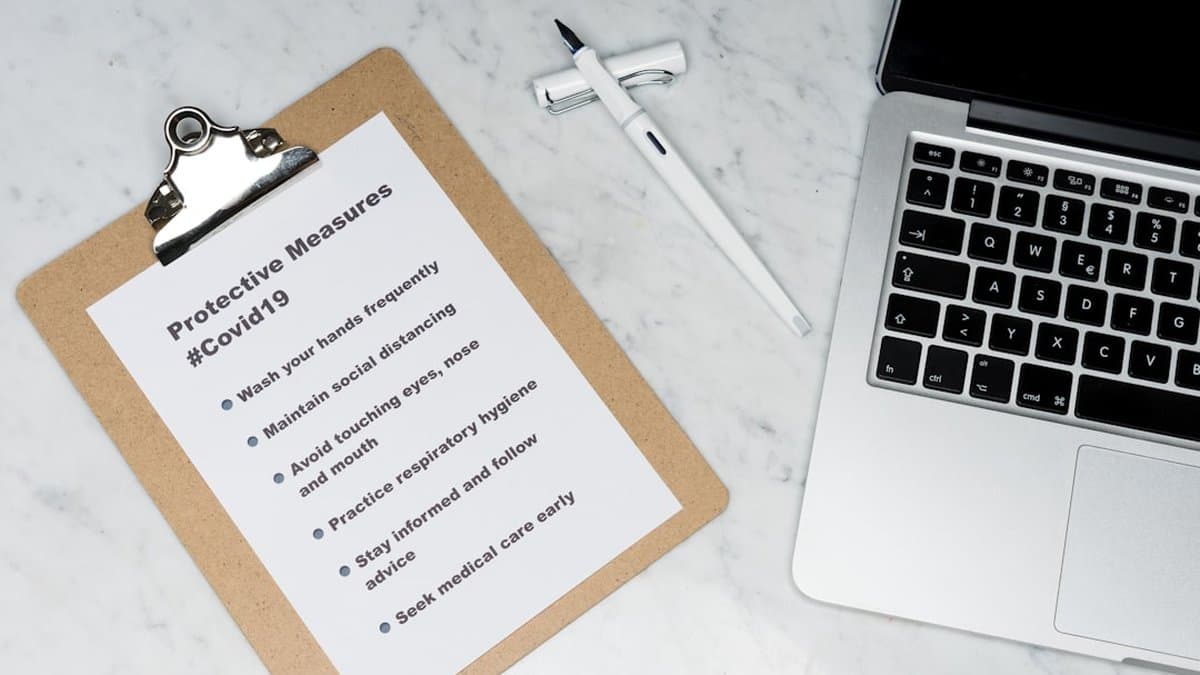
Here's something that might surprise you: transparency about AI use doesn't reduce trust—it increases it. Your audience would much rather hear from you upfront that you're using AI tools than discover it themselves and feel deceived. When you're honest about your process, you're not admitting weakness; you're demonstrating integrity. According to SimplePractice, therapists who openly communicate about their use of technology tools build stronger client relationships because transparency signals that they're keeping ethical practices at the forefront.
The key is understanding what requires disclosure versus what doesn't. Using AI for brainstorming, outlining, or generating caption suggestions? That's internal workflow optimization—no disclosure needed. But anything viewer-facing—AI voiceovers, avatars, or significant content generation—deserves clear, honest communication. Your audience respects honesty more than they fear AI-assisted content. The difference is credibility through transparency, not credibility through hiding your process.
Transparency as a Trust-Building Tool
Think of transparency as relationship currency. When creators openly acknowledge AI use, audiences feel respected and included in the decision-making process. Research from VIDEOAI.ME shows that mental health creators who explain why they're using AI tools—increased consistency, reaching more people, maintaining quality across platforms—receive significantly better audience engagement than those who stay silent about their process.
Transparency also positions you as someone who's innovating responsibly. You're not hiding behind technology; you're using it thoughtfully and with full disclosure. This approach attracts clients and followers who value both cutting-edge thinking and ethical practice. They see you as trustworthy because you're making your choices visible.
Pro Tip: Frame transparency conversations early and often—don't wait until someone asks. Lead with honesty in your video descriptions, pinned comments, or FAQ sections.
How to Communicate AI Use to Your Audience
Effective disclosure is straightforward and doesn't require lengthy explanations. You're not apologizing or over-explaining; you're informing. Your disclosure should be brief, honest, and positioned as a positive choice. A simple sentence or two is enough: "This video was produced with AI-assisted tools to help us create consistent, high-quality content."
The framing matters enormously. Instead of saying "AI generated this," try: "We used AI production tools to expand our reach while maintaining clinical accuracy through expert review." This positions AI as what it actually is—a tool for amplifying your expertise, not replacing your clinical judgment. You're using technology to serve your audience better, not cutting corners.
Your disclosure should live where your audience will see it naturally: video descriptions, opening graphics, or channel FAQs. Make it visible but not dominant. It's important information, not the centerpiece of your message.
Examples of Effective Disclosure Language
Here are a few proven approaches that maintain trust while being transparent:
For educational videos: "This educational video was created with AI-assisted production tools to help us reach more people consistently. All content is clinician-reviewed for accuracy and safety."
For voiceover content: "This video features an AI-generated voiceover to maintain consistent delivery across our content library. The script and clinical information were developed by [your credentials] and reviewed for accuracy."
For avatar-based shorts: "We use AI avatars to create accessible, consistent mental health education. Every concept shared here reflects clinical best practices and has been reviewed by our team."
The bottom line: your honesty about using AI tools doesn't diminish your credibility—it enhances it. Audiences are savvy enough to appreciate creators who are transparent about their process. You're not just building content; you're building trust with people who value both innovation and ethics.
So as you can see, building that foundation of trust and transparency isn't just the right thing to do—it's what sets creators apart in today's landscape. Let's wrap up what we've covered and send you off with some final thoughts on putting all of this into practice.
Conclusion
Here's what we've covered: AI shorts are a legitimate, powerful way to reach underserved audiences—but only when you build your workflow on three non-negotiable pillars: clinical accuracy, HIPAA compliance, and transparent disclosure about your tools.
The beauty? You don't need to choose between scale and ethics. By using AI to handle the heavy lifting—scriptwriting, editing, caption generation—you're freeing up 60–70% of your production time. That means more energy for what actually matters: reviewing content against your clinical standards and building genuine connection with your viewers.
Your audience doesn't expect perfection. They expect integrity. And when you lead with transparency about how you use AI, you're not undermining your credibility—you're strengthening it.
Here's your next step: Pick one mental health topic you're genuinely excited to teach. Draft a short script with AI assistance, review it ruthlessly against your clinical standards, and publish one video this week. As you gain confidence, aim to batch-create 8–12 videos monthly. Tools like AutoShorts can help automate the clipping and caption process across platforms, letting you focus your strategic energy on clinical oversight rather than technical execution.
The therapists and creators who'll thrive in this space aren't the ones moving fastest—they're the ones moving thoughtfully. Start this week. Build momentum. Scale with intention.
Your audience is waiting.
Frequently asked questions
Yes, when used with an ethical framework. AI tools can amplify your expertise and cut production time by 60–70% without compromising clinical credibility. The key is prioritizing the 'Warm + Clear + Ethical' approach—focusing on authentic tone, accuracy, and therapeutic boundaries to ensure your AI-generated content feels genuinely helpful and safe for vulnerable viewers.
Never include client information, real case details, or identifying details in your AI-generated videos. Use only general mental health topics, educational content, and hypothetical scenarios that don't reference specific individuals. Always review your scripts to ensure no confidential information is included before generating or publishing your AI shorts.
Transparency builds trust with your audience. Consider adding a note in your video description or bio indicating that you use AI tools to scale your content production, while emphasizing that your clinical expertise and professional standards guide all messaging. This honesty demonstrates integrity without undermining your credibility as a licensed professional.
Always review AI-generated scripts for clinical accuracy, therapeutic appropriateness, and alignment with current mental health best practices. Cross-reference claims with evidence-based sources, ensure recommendations are ethical and safe, and ask yourself: 'Would I say this to a client in my office?' If the answer is no, revise before publishing.
Absolutely—authenticity comes from your script and tone, not production quality. Research shows therapists prioritizing conversational, warm tone over perfect lighting and editing see significantly higher engagement and trust. Slow down your pacing, use natural language, and write as if you're speaking directly to someone in a vulnerable moment to make AI shorts feel genuinely helpful.
Each platform has different content policies and audience expectations. TikTok and Instagram Reels favor shorter clips (under 60 seconds) with high emotional resonance, while YouTube Shorts allow slightly more context. Always review each platform's community guidelines on health and wellness content, and adjust your messaging strategy accordingly to ensure compliance and maximize reach safely.