Master AI voice cloning for Shorts in 2026. Learn ethical implementation, top tools, and use cases. Scale content authentically without sacrificing brand trust.
Introduction
In 2026, you can clone a human voice from just 47 seconds of audio—and have it generating new speech in under three minutes. For short-form video creators, this represents an unprecedented opportunity to scale content production without sacrificing authenticity or brand consistency. Yet with this capability comes a critical question: just because you can clone a voice doesn't mean you should, at least not without a deliberate strategy.
The landscape of AI voice technology has evolved dramatically. What once required expensive voiceover talent and weeks of production can now be accomplished in minutes. For content creators managing multiple Shorts per week, this efficiency gain is genuinely transformative. However, the rapid advancement of these tools has outpaced our collective understanding of their responsible use—creating a gap between what's technically possible and what's ethically sound.
This guide bridges that gap. We'll equip you with the knowledge to ethically implement AI voice cloning for Shorts production, evaluate the leading platforms objectively, navigate an evolving legal landscape, and make intentional decisions about when voice cloning enhances rather than diminishes content authenticity and audience trust.
Whether you're considering voice cloning as a productivity solution or exploring it for the first time, understanding both its potential and its pitfalls is essential to making choices that serve your audience and your brand.
Now that we've established the strategic considerations surrounding voice cloning implementation, let's examine the technological infrastructure that makes these applications possible. Understanding the technical fundamentals will equip you with the knowledge needed to evaluate solutions effectively and anticipate how this technology may evolve throughout 2026.
How AI Voice Cloning Technology Works: Technical Fundamentals for 2026
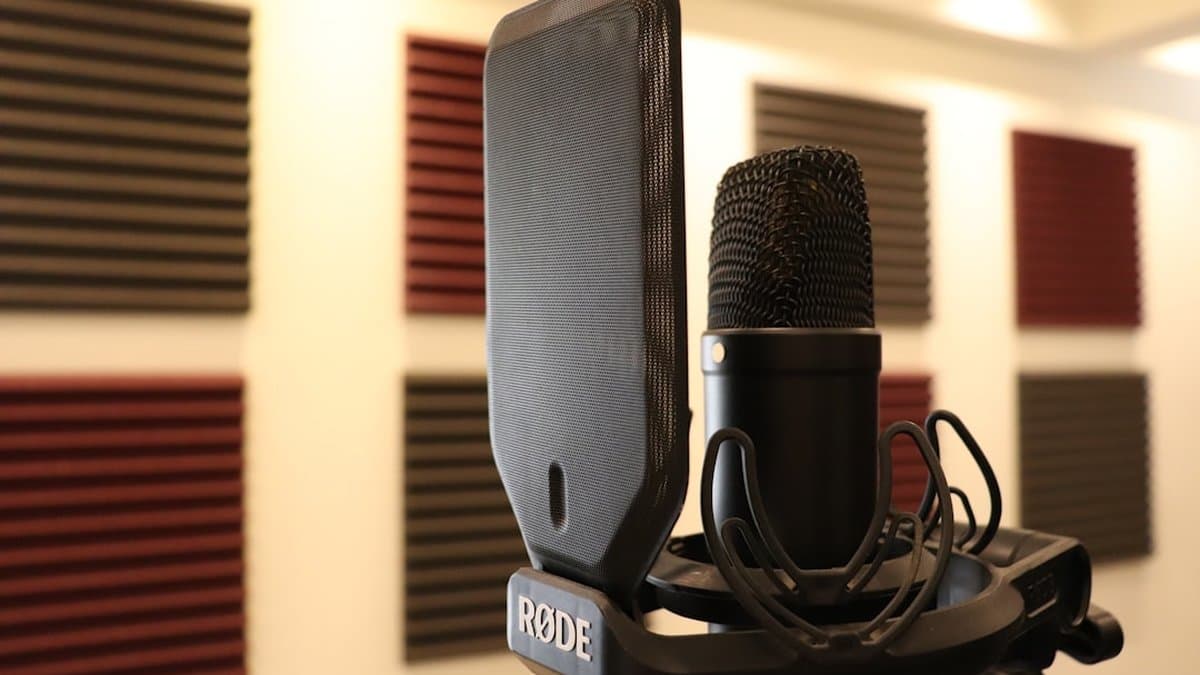
AI voice cloning has evolved from experimental laboratory technology into a practical tool for content creators. Understanding the technical mechanics behind this transformation is essential for anyone considering voice cloning for short-form video production. The process involves sophisticated neural networks that analyze, extract, and replicate the unique characteristics that make each human voice distinctive. This section breaks down the core technical components that enable modern voice cloning to achieve remarkable fidelity in minimal time.
Voice Encoding and Speaker Embeddings
The foundation of voice cloning lies in speaker embedding technology, which extracts the unique vocal characteristics from source audio. According to Zro2One, modern voice cloning requires 15-30 minutes of clean source audio for high-fidelity clones achieving 92-98% perceived similarity scores. However, emerging instant cloning tools have dramatically reduced input requirements—some achieving quality results with as little as 47 seconds of audio.
During the encoding process, neural networks isolate distinct vocal properties including pitch, timbre, prosody, and accent. These characteristics are compressed into a speaker embedding—a mathematical representation that conditions all subsequent speech generation. The quality of this embedding directly determines how authentically the cloned voice reproduces the original speaker's distinctive patterns.
Key Point: Source audio quality significantly impacts cloning results. A signal-to-noise ratio of at least 30dB is essential, and diverse speech patterns covering different emotional registers produce more realistic and versatile voice clones.
Neural Text-to-Speech Synthesis
Once the speaker embedding is created, neural text-to-speech (TTS) synthesis generates new speech that carries the extracted vocal characteristics. This process has accelerated dramatically—research from ToolChase confirms that processing times have dropped to approximately 3 minutes for quality results, compared to hours required just two years ago.
The synthesis engine converts written text into natural-sounding speech by predicting acoustic features frame-by-frame, guided by the speaker embedding. Modern architectures use transformer-based models that understand linguistic context, allowing the cloned voice to properly handle inflection, emphasis, and emotional tone variations that make speech sound human rather than robotic.
Audio Quality and Fidelity Metrics
Measuring voice clone quality involves multiple technical metrics beyond simple listener perception. As highlighted by VIDEOAI.ME, achieving 92-98% perceived similarity represents the current quality ceiling for most commercial applications. This similarity measurement combines spectral analysis, prosodic matching, and subjective human evaluation.
The practical implication for content creators is clear: investing time upfront in quality source audio collection yields substantially better voice clones that maintain brand authenticity across multiple video projects.
Now that we've established the importance of quality source material, let's examine the specific tools and platforms available to help you implement these best practices effectively. The following comparison of leading AI voice cloning solutions will guide you in selecting the platform that best aligns with your content creation needs and quality standards.
Top AI Voice Cloning Tools and Platforms: Feature Comparison for Content Creators
With dozens of AI voice cloning platforms now available, content creators face a critical decision: which tool best aligns with your production workflow, budget, and technical requirements? The market has matured significantly, with leading solutions offering distinct advantages depending on your use case. According to ToolChase, the landscape includes specialized platforms for rapid deployment, enterprise solutions prioritizing data security, and hybrid approaches balancing quality with cost-effectiveness. This section provides a comprehensive comparison to help you select the optimal platform for your short-form video strategy.
Cloud-Based Platforms for Rapid Deployment
Cloud-based solutions dominate the market for creators seeking immediate implementation without infrastructure management. ElevenLabs has established itself as the quality leader, with Mean Opinion Score (MOS) estimates ranging from 4.3 to 4.7—among the highest in the industry. The platform excels in multilingual support, enabling seamless voice cloning across 29+ languages, a critical feature for global content distribution. Professional features start at approximately $100 per month, making it accessible for serious creators while remaining scalable as your production volume increases.
Play.ht differentiates itself through real-time streaming capabilities and robust API documentation, making it the preferred choice for developers and those requiring integrated workflows. The platform's emphasis on technical flexibility allows for dynamic voice generation during live streams or interactive content experiences. This approach reduces production delays significantly compared to batch-processing alternatives.
Pro Tip: Test multiple platforms using your actual source audio before committing to a subscription. Voice quality perception varies based on your specific speaker characteristics and accent patterns.
Enterprise Solutions for Data Security
For organizations handling sensitive content, Resemble AI provides enterprise-grade security infrastructure with both instant and fine-tuning modes. The fine-tuning capability generates higher-fidelity professional voice replication by leveraging additional training data, producing results indistinguishable from authentic human speech in most contexts. This dual-mode approach accommodates both speed-focused workflows and quality-focused production pipelines.
Data security remains paramount when cloning voices of recognizable individuals or proprietary brand assets. According to Nemo Video, organizations increasingly consider on-premise deployment options for sensitive content requiring stricter data controls and compliance with regional regulations like GDPR and CCPA. While cloud solutions offer convenience, on-premise installations ensure voice training data never leaves your servers, addressing privacy concerns and regulatory requirements.
Warning: Cloud-based platforms automatically retain voice samples for quality improvement purposes. If handling proprietary or legally sensitive voice content, verify data retention policies before uploading any audio files.
Comparative Quality and Pricing Analysis
The relationship between price and quality isn't strictly linear in this market. ElevenLabs commands premium pricing justified by superior voice naturalness, while emerging competitors offer acceptable quality at significantly lower price points. Play.ht's developer-friendly approach appeals to technical teams willing to manage integration complexity in exchange for API flexibility. Resemble AI's enterprise tier costs substantially more but delivers unparalleled security infrastructure for brand-critical applications.
ElevenLabs
Play.ht
Resemble AI
Content creators should evaluate these platforms against three criteria: voice quality requirements for your specific niche, integration complexity with existing tools, and data security obligations based on content sensitivity. Your choice directly impacts production speed, output authenticity, and long-term scalability of your voice cloning strategy.
While selecting the right technology sets the foundation for effective voice cloning, the decisions you make must be grounded in a comprehensive understanding of the ethical and legal landscape that governs this emerging field. Moving forward, we'll explore the critical framework that protects both your audience and brand reputation while ensuring your voice cloning initiatives remain compliant with evolving regulations.
Ethical Framework and Legal Requirements: Protecting Your Audience and Brand
As AI voice cloning becomes increasingly accessible to content creators, the ethical and legal dimensions of this technology demand careful attention. The power to replicate someone's voice carries significant responsibility—both to your audience and to the individuals whose voices you're using. Without a robust ethical framework and compliance strategy, even well-intentioned creators risk legal liability, audience backlash, and reputational damage. This section explores the non-negotiable principles that should guide your voice cloning practices in 2026.
Obtaining Explicit Written Consent
Explicit written consent is the foundation of ethical voice cloning. Before cloning anyone's voice—whether it's your own, a colleague's, or a public figure's—you must obtain documented permission that specifies exactly how the voice will be used. According to Zro2One, consent agreements should clearly outline the scope of use cases, duration of license, distribution channels, and crucially, the right of revocation for the voice owner.
This means your consent documentation should answer specific questions: Will the cloned voice be used only for your YouTube Shorts, or across TikTok and Instagram as well? Is this a perpetual license or time-limited? Can the voice owner request that you stop using their voice clone at any point? The more detailed your consent agreement, the stronger your legal protection and the more respect you demonstrate to the voice owner.
Warning: Generic, verbal, or ambiguous consent is insufficient. Written agreements create an auditable record and demonstrate good faith compliance efforts if disputes arise.
Transparency and Disclosure Best Practices
Clear disclosure isn't just legally required—it's a cornerstone of audience trust. Research from AI Video Voice Tools emphasizes that transparent labeling prevents deception and builds credibility with your viewers. When using AI voice clones, your content should include explicit labels such as "Narrated using an AI-generated voice clone of [Name]" or "This voice was created using AI voice cloning technology."
Transparency serves multiple purposes: it respects your audience's right to informed consumption, it demonstrates compliance with emerging regulations, and it actually strengthens audience confidence in creators who are upfront about their methods. A creator who transparently discloses voice cloning appears more trustworthy than one who attempts to obscure the practice. Your disclosure should appear at the beginning or end of content, in video descriptions, and in any promotional materials.
Pro Tip: Use on-screen text overlays combined with verbal disclosure for maximum clarity. This redundant approach ensures accessibility for deaf and hard-of-hearing viewers while reinforcing your commitment to transparency.
Regulatory Compliance by Jurisdiction
Voice cloning regulations are evolving rapidly across jurisdictions. The EU AI Act now requires explicit disclosure of AI-generated content, including cloned voices, treating them as high-risk applications requiring transparency and human oversight. Tennessee's ELVIS Act (Ensuring Likeness Voice and Image Security) specifically protects individuals' right of publicity, making unauthorized voice cloning a legal violation. California's AB 2602 similarly mandates disclosure when AI-generated voices are used in political or commercial contexts.
Beyond these landmark regulations, the Federal Trade Commission (FTC) has issued explicit guidance requiring transparency in commercial contexts where AI is used to create content. According to ToolChase, reputable AI voice cloning platforms now enforce consent verification systems to prevent misuse. Never use voice cloning for fraud, impersonation, political manipulation, or deceptive commercial purposes—these applications violate both legal requirements and fundamental ethical principles.
By establishing these safeguards now, you position your content practice for long-term sustainability and demonstrate leadership in responsible AI adoption.
With a robust compliance framework in place, organizations can confidently move forward with implementing voice cloning technology across their operations. Understanding where voice cloning delivers the most significant business impact is essential to maximizing your investment and achieving measurable results.
Practical Use Cases for Shorts: When Voice Cloning Delivers Maximum Value
Voice cloning technology moves beyond novelty applications to deliver measurable business value across multiple content production scenarios. By automating narration, enabling global distribution, and streamlining workflows, creators and enterprises can significantly reduce production costs while maintaining consistent brand voice and quality. The following use cases demonstrate where voice cloning delivers tangible ROI and operational efficiency gains.
Scalable Narration Across Multiple Videos
Creating hundreds of Shorts with consistent vocal branding typically requires either re-recording the same talent repeatedly or managing multiple sessions with professional voice actors—both expensive and time-consuming approaches. Voice cloning eliminates this bottleneck by enabling creators to generate unlimited narration using a single voice model trained on just minutes of source audio.
According to ToolChase, brands leveraging AI voice cloning maintain vocal identity consistency across extensive content libraries while reducing per-video production costs by 70-85%. A creator producing 100 Shorts monthly can generate all necessary narration in hours rather than days, with each video featuring the same recognizable voice that builds audience familiarity and brand recall. Beyond cost reduction, this approach ensures that narrative pacing, tone, and emotional delivery remain uniform across content series, strengthening viewer connection and brand recognition.
Pro Tip: Train your voice model with 5-10 minutes of high-quality audio in a quiet environment. This investment pays dividends across hundreds of future projects while preserving your unique vocal signature.
Multilingual Content and Global Reach
Expanding content to international markets traditionally demands hiring voiceover talent fluent in 10, 20, or even 50+ languages—a prohibitively expensive endeavor for most creators. Voice cloning technology fundamentally changes this economics by enabling script translation while preserving the original creator's voice across multiple languages.
Research from Soloa confirms that creators can translate scripts into 20+ languages while maintaining vocal authenticity, dramatically expanding global audience reach without proportional budget increases. A creator originally producing English Shorts can now offer Spanish, Mandarin, French, German, and Portuguese versions—all featuring their distinctive voice—making content accessible to billions of additional viewers. This approach eliminates the uncanny-valley effect of generic AI voices while preserving the creator's personal brand across linguistic boundaries.
Key Point: Multilingual voice cloning compounds your content's reach exponentially. A single Short translated into five languages effectively becomes five distinct assets, each optimized for regional audiences while maintaining creator authenticity.
Creator Efficiency and Production Scaling
Professional content creators frequently encounter operational constraints: scheduling conflicts, illness, travel, or simple time pressure that delays production. Voice cloning addresses these friction points by enabling creators to generate narration on-demand, regardless of availability. Additionally, if a recorded take contains errors or requires revision, regenerating audio takes seconds rather than rescheduling recording sessions.
According to Nemo Video, e-learning platforms report 60-80% reductions in voiceover production costs after adopting AI voice cloning, with Fortune 500 companies validating strong ROI when scaling from dozens to thousands of video assets. Creators can fix mistakes by simply regenerating the problematic audio segment, eliminating expensive studio time and engineer coordination. This flexibility transforms content production from a scheduled, resource-dependent process into an on-demand workflow that scales with business growth.
While these efficiency gains demonstrate the technical capabilities of voice cloning technology, realizing their full business value requires a structured approach to deployment. The following best practices will help you establish quality standards and maintain audience trust as you implement voice cloning across your content strategy.
Implementation Best Practices: Quality Standards, Authenticity, and Audience Trust
Implementing AI voice cloning responsibly requires a multi-layered approach that balances technical excellence with ethical accountability. As platforms enforce stricter AI content labeling requirements and audience expectations evolve, creators must establish clear quality standards while maintaining transparency about synthetic audio use. This section outlines the practical frameworks and safeguards that transform voice cloning from a novelty feature into a trusted, professional communication tool.
Achieving Professional Voice Quality Results
High-quality voice cloning begins with meticulous source material preparation. Your training audio should be clean and varied across emotional registers—capturing neutral tones, excitement, concern, and emphasis to create a flexible, nuanced voice model. Research from ToolChase confirms that source recordings should maintain a minimum 30dB signal-to-noise ratio, achieved through quiet environments and quality microphones rather than smartphone recordings.
Beyond source preparation, implement SSML (Speech Synthesis Markup Language) controls to fine-tune pacing, emphasis, and emotional cadence in generated output. Score voice quality using the Mean Opinion Score (MOS) methodology, where diverse test audiences rate outputs on a 5-point scale. Conduct rigorous A/B testing with representative audience segments to validate that synthetic audio performs as well as human narration in your specific use cases. This empirical approach eliminates guesswork and ensures your investment in voice cloning delivers measurable quality returns.
Pro Tip: Test your cloned voice across different devices, playback speeds, and audio compression formats to ensure consistency in real-world deployment scenarios.
Maintaining Authenticity While Using Synthetic Audio
Transparency is the cornerstone of audience trust when using synthetic voices. According to Nemo Video, platforms including YouTube, Meta, and TikTok now require explicit AI content labeling as of 2026. Disclose synthetic voice use prominently in video descriptions, on-screen graphics, and audio disclaimers—not buried in fine print. This transparency transforms potential skepticism into respect for your honesty.
Coupling voice cloning with robust ethical safeguards protects both your brand reputation and audience trust. Document explicit consent from any individuals whose voices are cloned, implement usage tracking to monitor how cloned voices are deployed, and conduct regular audits to prevent misuse or unauthorized applications. These practices demonstrate institutional accountability and provide legal protection against claims of voice impersonation or deceptive practices.
Warning: Synthetic voice use without proper disclosure violates platform policies and damages long-term audience relationships. Always lead with transparency rather than obscuring AI involvement.
Building Long-Term Audience Confidence
Long-term credibility depends on consistent demonstration that voice cloning enhances rather than compromises content authenticity. According to Zro2One, successful implementations couple automation with human oversight—using synthetic voices for routine narration while reserving authentic human voices for emotionally resonant or high-stakes messaging. This hybrid approach signals respect for audience attention and content integrity.
Establish governance frameworks that treat voice cloning as a managed asset rather than an unrestricted tool. Create usage guidelines specifying which content types benefit from synthetic voices, conduct quarterly compliance audits, and maintain transparent records of when and how cloned voices appear in your content library. As regulatory requirements intensify and audience expectations evolve, these documented practices become competitive advantages—demonstrating your commitment to responsible AI implementation.
While establishing robust safeguards and compliance measures provides a foundation for responsible voice cloning implementation, it is equally critical to recognize that this technology is not universally appropriate for every application. Understanding the limitations and risks associated with voice cloning, along with a clear decision framework for when to abstain from its use, ensures that organizations can make informed choices aligned with their strategic objectives and ethical obligations.
Limitations, Risks, and Decision Framework: When NOT to Use Voice Cloning
While voice cloning technology has advanced significantly, understanding its inherent limitations and associated risks is critical for responsible implementation. Not every use case benefits from voice cloning, and deploying it indiscriminately can damage brand reputation, expose your organization to legal liability, and compromise audience trust. This section explores the technical constraints, security vulnerabilities, and ethical boundaries that should inform your decision-making process.
Technical Limitations of Current Technology
Despite remarkable progress in voice synthesis, current voice cloning systems exhibit measurable performance degradation in specific scenarios. Research from AI Video Voice Tools shows that voice stability begins to degrade significantly in long-form content exceeding five minutes, with synthetic characteristics becoming increasingly audible as duration extends. This limitation makes voice cloning less suitable for extended narrative formats where listener fatigue can accumulate.
Emotional transfer capabilities have improved substantially, but they remain inferior to human performance in nuanced, emotionally complex contexts. While AI systems can replicate basic emotional tones—enthusiasm, sadness, urgency—they struggle with subtle emotional transitions and the contextual authenticity required in sensitive storytelling, dramatic performances, or counseling-adjacent content. The technology excels at straightforward informational delivery but falls short when emotional credibility directly impacts audience engagement and trust.
Warning: Deploying voice clones in emotionally sensitive contexts without human voiceover alternatives can undermine message authenticity and audience connection.
Security Risks and Deepfake Concerns
The sophistication of modern voice cloning presents a paradoxical challenge: the technology's strength—its ability to create convincing replicas—simultaneously creates significant fraud and impersonation risks. According to Zro2One, sophisticated voice clones can deceive even familiar listeners when deployed without proper disclosure, creating vulnerabilities for financial fraud, identity theft, and unauthorized impersonation.
The statistics surrounding voice cloning scams are sobering. 77% of voice cloning scam victims report direct financial losses, with incidents involving sophisticated clones used to impersonate executives, family members, or trusted authorities. These scams have escalated rapidly as cloning technology became more accessible, demonstrating the critical importance of proactive safeguards and audience education.
Key Point: Every voice cloning implementation should include transparent disclosure to audiences, especially in contexts where listener authentication or trust verification is relevant.
Building Your Voice Cloning Decision Matrix
Establishing a clear decision framework prevents ethically problematic deployments and ensures voice cloning serves legitimate business objectives. Apply these absolute restrictions to eliminate high-risk applications immediately:
For remaining applications, evaluate voice cloning through a value vs. authenticity framework. Deploy voice cloning for efficiency-driven use cases where technical performance is sufficient: automated narration for instructional content, multilingual localization, accessibility features for visual media, and routine announcement systems. Reserve human voiceovers for authenticity-critical scenarios where emotional nuance, dramatic performance, sensitive subject matter, or high-stakes persuasion requires genuine human delivery.
Pro Tip: Document your voice cloning decisions in a decision matrix that evaluates risk level, authenticity requirements, audience sensitivity, and compliance obligations for each use case.
This structured approach balances innovation with responsibility, enabling your organization to capture voice cloning's efficiency benefits while maintaining ethical boundaries and audience trust.
As we've established the framework for responsible voice cloning implementation, it's essential to synthesize these insights into actionable takeaways for your organization. The following conclusion consolidates our discussion and provides strategic guidance for moving forward with confidence.
Conclusion
AI voice cloning has emerged as a transformative technology for short-form content creators in 2026, delivering measurable efficiency gains—from 15-30 minutes of source audio to studio-quality synthetic voices in under three minutes. However, this technological capability must be paired with unwavering ethical discipline.
The path forward rests on four foundational pillars: transparency through explicit audience disclosure, consent via documented permission from voice owners, compliance with evolving regulations like the EU AI Act, and authenticity maintained through rigorous quality standards. When implemented responsibly, voice cloning unlocks substantial ROI for scalable production workflows—narration, multilingual localization, and accessibility-driven dubbing—without compromising audience trust.
To begin your implementation immediately:
- Audit your existing voice assets and identify Shorts where cloning reduces production friction
- Obtain explicit written consent documentation when cloning voices other than your own
- Select a platform aligned with your quality and security requirements
- Test cloned voices with a small audience segment before scaling
Tools like AutoShorts can streamline this workflow by automating video clipping, caption generation, and multi-platform optimization alongside your voice cloning strategy—letting you focus on creative direction rather than manual editing.
The organizations that will dominate short-form content in 2026 won't be those that simply adopt voice cloning technology—they'll be those that implement it responsibly. Your competitive advantage lies not in the technology itself, but in your commitment to ethical deployment.
Frequently asked questions
In 2026, you can create a usable AI voice clone with as little as 47 seconds of quality audio, with results generated in under three minutes. For high-fidelity clones achieving 92-98% perceived similarity to the original voice, most platforms recommend 15-30 minutes of clean source audio. The exact requirements vary by platform and the quality level you're targeting for your Shorts production.
The primary ethical considerations include obtaining proper consent from the original voice owner, maintaining transparency with your audience about cloned voices, and ensuring the technology enhances rather than diminishes content authenticity. Creating voice clones without permission or using them deceptively can damage audience trust and violate emerging ethical guidelines. Responsible implementation requires disclosing when AI voice cloning is used and having clear strategies for when it's appropriate for your brand.
Yes, transparency with your audience is a critical best practice when using AI voice cloning for Shorts, especially as regulations evolve in 2026. Many platforms and jurisdictions are implementing disclosure requirements to protect consumers and maintain trust. Clear disclosure about using cloned voices helps your audience understand your content and strengthens your credibility long-term.
AI voice clones are most effective for scaling voiceover production, creating multilingual content without hiring multiple voice actors, maintaining consistent brand voice across numerous videos, and significantly reducing production timelines. They work particularly well when you own the source voice, want to repurpose content across languages, or need to maintain creator consistency while increasing output volume. However, they're less suitable when authenticity or direct creator connection is central to your audience relationship.
Different AI voice cloning platforms vary significantly in processing speed, voice quality, audio input requirements, and pricing structures. Some tools achieve quality results in under three minutes with minimal audio, while others may require longer processing or more source material for comparable fidelity. When evaluating AI voice clones for Shorts, compare platforms based on perceived similarity scores (92-98% range), processing time, ease of use, and alignment with your budget and production workflow.
The legal landscape for AI voice cloning is evolving rapidly in 2026, with increasing focus on creator consent, copyright protection, and disclosure requirements. Using your own voice or a voice you have explicit permission to clone is generally legal, but unauthorized voice cloning can violate copyright laws and emerging regulations. Before implementing AI voice cloning for Shorts, understand your jurisdiction's specific rules around consent, disclosure, and commercial use to avoid legal complications.