Learn how top creators produce 50+ videos weekly using batch production, AI automation, and smart repurposing. Scale your content output without burnout.
Content Creator Workflow Introduction
Ever wonder how top content creators seem to be everywhere, churning out 50+ videos every single week without losing their minds—or sacrificing quality?
If you're scrolling through your favorite creators' feeds and thinking, "How is this humanly possible?" you're not alone. Most of us are stuck in the daily grind, painstakingly producing one video at a time, wondering if we'll ever break through that content ceiling. It feels like they've cracked some secret code that the rest of us simply don't have access to.
Here's the truth: they haven't.
The secret isn't more hours; it's a systematic approach rooted in batch production, smart content repurposing, and powerful AI automation. These creators aren't working 24/7—they're working smarter, not harder.
In this guide, we're pulling back the curtain on their exact systems. You'll get a practical, day-by-day blueprint that shows you exactly which tasks to batch, when to leverage AI for maximum acceleration, and how to repurpose content across platforms so you're not starting from scratch every single day.
By the end, you'll have a replicable workflow that lets you dramatically increase your video output without proportionally increasing your time investment or sacrificing the creative control that makes your content uniquely yours.
Let's dive in.
Now that you understand the potential, let's break down exactly how to make this work—and it all comes down to two fundamental strategies that separate prolific creators from the rest. We're talking about batching and repurposing, the dynamic duo that transforms your creative process into a well-oiled content machine.
The Core Pillars: Batching & Repurposing for High-Volume Video

Here's the truth: the creators producing 50+ videos per week aren't working 7x harder than you. They're working smarter by embracing two fundamental practices that completely transform how content gets made. Batching and repurposing aren't just productivity hacks—they're the foundation that separates sustainable, high-volume creators from those who burn out after a few months. In this section, we'll break down exactly how these strategies work and why they're non-negotiable if you want to scale your content output without sacrificing your sanity (or quality).
Understanding the Batch Production Mindset
The shift from daily creation to batching is genuinely life-changing. Instead of waking up every morning thinking "What am I filming today?", imagine blocking out 3 focused days per month to produce an entire month's worth of content. According to Socialync, creators who adopt batch production workflows can produce 30 days of content in a single afternoon by eliminating context switching and setup time.
Think about it: every time you switch between planning, filming, and editing, your brain needs time to refocus. You waste precious minutes adjusting lighting, camera angles, and audio levels repeatedly. But when you batch? You set up once, film 10-15 videos in a row, and keep that creative momentum rolling. The mental energy required drops dramatically because you're doing one task at a time instead of juggling everything simultaneously.
Pro Tip: Schedule your batch sessions strategically. Many top creators dedicate one full day per week to filming, then spend the remaining days on editing, optimization, and platform management. This rhythm prevents decision fatigue and keeps you energized.
The Content Waterfall Strategy in Action
Now here's where things get really efficient: one piece of long-form content becomes the raw material for dozens of shorter pieces. A single 30-minute YouTube video can transform into 5 TikToks, 8 Instagram Reels, 10 YouTube Shorts, 3 LinkedIn posts, and even a podcast episode. You're not creating new content—you're extracting maximum value from what you've already filmed.
According to Joyspace, strategic content repurposing allows creators to stretch one hour of video into 30 days of published content across multiple platforms. The key is capturing your footage with repurposing in mind: shoot in vertical and horizontal formats, record multiple angles, and capture B-roll that works standalone.
This approach also solves a psychological barrier for many creators: perfectionism. Instead of obsessing over making every single piece perfect, adopt a "minimum publishable product" mindset. Your short-form clips don't need Hollywood production value—they need authenticity and value. A shaky phone recording with a great insight outperforms a polished video with nothing to say.
One final ingredient ties everything together: embrace the buffer. Create 2-4 weeks of content ahead of schedule. This removes the pressure of daily creation and gives you breathing room when life happens. You're not scrambling to film because you already have a safety net of published content queued up.
Key Point: The combination of batching + repurposing + a content buffer creates a sustainable system that supports high-volume output without burnout. This is how top creators maintain consistency year-round.
Now that you understand the system behind sustainable content creation, let's put it into action with a practical framework you can start using immediately. Here's exactly how to structure your week so all those batching, repurposing, and buffering strategies actually happen.
Your Weekly Blueprint: A Day-by-Day Video Production Schedule

Here's where the magic happens. Instead of spreading your creative energy across the entire week, top creators concentrate their efforts into intense batching sessions. According to FluxNote, creators can produce a month of content in just 3 days by committing to dedicated time blocks for planning, filming, and editing. This structured approach eliminates decision fatigue, minimizes context-switching, and keeps momentum flowing throughout your production cycle.
Pro Tip: Pick 3 consecutive days monthly (like Friday-Sunday) to batch all your content creation. This concentrated approach lets you maintain creative momentum while freeing up the rest of your week for promotion and audience engagement.
Dedicated Planning & Scripting Day
Day 1 is all about removing creative decisions from your filming process. Before you ever pick up a camera, write every script for the month. Yes, every single one. This removes the biggest bottleneck in video production—deciding what to say on camera. When scripts are locked in, you can film with laser focus, knowing exactly what you're capturing and why.
By batching your scripting, you're also building thematic consistency across your content. You can spot repetitive talking points, identify gaps in your monthly strategy, and ensure your messaging aligns with your broader content goals. This single day of planning saves you hours during filming because you won't second-guess yourself mid-shoot.
Focused Filming & Asset Generation Day
Day 2 is pure execution. You show up, set up once, and film all your videos in a single session. According to Socialync, this approach dramatically reduces setup time and leverages the momentum you've built. Film multiple takes of each script, capture B-roll for visual variety, and gather all the raw assets you'll need for the entire month.
The key here is environment optimization. Set up lighting once. Position your camera once. Do your hair and makeup once. Then rotate through your scripts and capture everything you need. Creators using this method report 60-70% less production time because they're not constantly stopping, resetting, and restarting their workflow.
Key Point: Batch filming in one session means you capture consistent lighting, audio quality, and visual style across all your videos—creating a polished, cohesive feed without extra effort.
Streamlined Editing & Optimization Days
Days 3-7 are your editing and optimization window. This is when you transform raw footage into finished, scheduled content. Batch edit videos, add captions and graphics, schedule posts across platforms, and—critically—capture feedback patterns to inform next month's topics. What did your audience respond to? Which thumbnails got clicks? Use this intel to refine your content strategy continuously.
Research from The AI Journal shows that creators who implement systematic feedback loops improve their engagement rates by leveraging audience signals in real-time. You don't need to edit everything in one day—spreading editing across 5 days keeps burnout at bay while maintaining steady progress toward your posting schedule.
This rhythm transforms content creation from a daily grind into a predictable, repeatable system. Once you've completed your first batching cycle, you'll understand exactly how much content you can realistically produce and what adjustments work best for your style.
Now that you've got your batching foundation solid, let's talk about how AI can supercharge that system and help you scale even further. Ready to discover how you can actually hit that 50+ videos per week milestone?
AI's Role: Accelerating Your Workflow to 50+ Videos Weekly
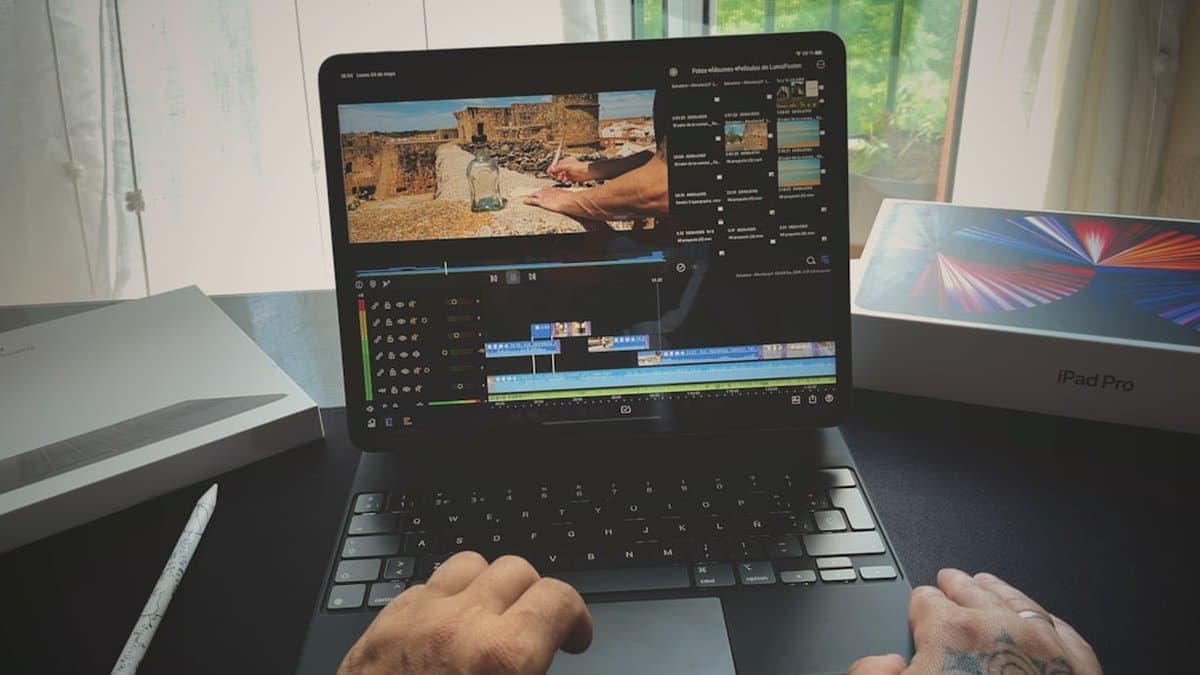
Here's the reality: manually editing is the silent killer of scaling. Most creators hit a ceiling around 50 clips per month because editing becomes the bottleneck—you're spending hours on tasks that AI can handle in minutes. The leap from struggling creator to prolific powerhouse comes down to one thing: eliminating manual work through intelligent automation. When you harness the right AI tools, you don't just speed up your process—you fundamentally transform what's possible in your weekly output.
Pro Tip: The difference between creators stuck at 10 videos/week and those crushing 50+ isn't talent—it's automation. One is still hand-editing; the other has AI doing it.
AI for Scripting & Idea Generation at Scale
Generating fresh ideas consistently is tough when you're flying solo. AI scriptwriting tools eliminate the blank-page paralysis by automatically generating multiple script variations based on your niche, target audience, and trending topics. Tools like ChatGPT, Claude, and specialized AI platforms can produce dozens of video scripts in the time it takes you to write one manually. This means you're never waiting for inspiration—you're selecting from abundance instead.
The beauty here is batch ideation: spend one focused session generating 20-30 script ideas, then spend the rest of your week actually creating the content. According to Virvid, creators using AI-powered scripting can complete the idea-to-upload workflow in just 2 hours per video when integrated into a systematic pipeline. That's the kind of efficiency that makes 50+ videos weekly actually achievable.
Key Point: AI scripting isn't about replacing your voice—it's about giving you options so fast you can focus on choosing the best ideas rather than struggling to create any ideas.
Automating Editing & Repurposing Bottlenecks
This is where the magic really happens. Instead of manually trimming clips, adding captions, sourcing B-roll, and exporting in multiple formats, AI video generators handle all of this simultaneously. Tools extract the best moments from long-form content, automatically generate perfectly-timed captions (with speaker identification), create voiceovers in multiple languages, and even source complementary B-roll footage—all without touching the timeline.
The real game-changer is automated repurposing: feed one long-form video (like a podcast or 10-minute YouTube upload) into an AI platform, and it automatically transforms it into platform-specific short-form content. One 20-minute video becomes 15-20 optimized TikToks, YouTube Shorts, Instagram Reels, and LinkedIn clips—each with proper formatting, captions, and aspect ratios. Research from The AI Journal shows that creators using integrated AI workflows can compress what once took 8+ hours of manual editing into 30-45 minutes of review and refinement.
Warning: Don't skip the review step. AI generates at scale, but your human eye ensures quality and brand consistency.
Selecting Your Essential AI Tool Stack
You don't need 20 different tools—you need 3-4 essential platforms that work together seamlessly. According to Joyspace, creators building scalable AI pipelines typically stack a video generator, a clip extraction tool, a caption/repurposing platform, and a scheduling solution. The goal is integration: your output from one tool feeds directly into the next, creating an automated assembly line.
Platforms like Virvid, Joyspace AI, and FluxNote are specifically designed for high-volume creators. They compress workflows that traditionally take hours into minutes per video, handle multiple output formats simultaneously, and integrate with your existing platforms. Start with one primary tool that handles your biggest bottleneck (usually editing or repurposing), then add complementary tools as you scale.
The creators producing 50+ videos weekly aren't superhuman—they've simply automated what machines do best, freeing themselves to focus on strategy, authenticity, and the creative decisions that actually require human judgment.
Now that you've got the efficiency piece down, it's worth asking: how do you keep this sustainable without burning out or watching your quality slip? Let's talk about the systems and boundaries that keep creators thriving long-term.
Sustaining Momentum: Quality Control & Burnout Prevention

Here's the uncomfortable truth: producing 50+ videos per week sounds amazing until you hit the wall. Creators who scale too fast without proper systems end up burnt out, with plummeting engagement metrics and inconsistent quality that damages their audience trust. This section is about protecting both your content and your sanity—because sustainable growth beats explosive burnout every single time.
Maintaining Engagement Metrics at Scale
When you're pumping out massive volumes of content, consistency becomes your secret weapon. Rather than reinventing the wheel with every upload, successful creators focus on maintaining a recognizable visual style, predictable pacing, and consistent tone. This builds brand recognition and keeps your audience engaged because they know exactly what to expect from you.
According to The AI Journal, creators who establish standardized workflows for their visual identity and posting patterns see significantly higher audience retention rates. Your viewers aren't craving constant reinvention—they're craving reliable quality they can count on.
Pro Tip: Create a style guide for your content that includes color palettes, font choices, intro/outro templates, and pacing guidelines. Reference this for every video so consistency happens automatically.
The key is developing quality assurance systems that scale. Think checklists for thumbnail consistency, audio levels, captions, and messaging alignment. When you're working at high volume, these systems prevent the quality slides that tank engagement.
The Minimum Viable Product (MVP) Mindset
You don't need perfection to test what works. According to Octospark, the fastest-scaling creators adopt an MVP approach: publish 15-second clips as quick tests, gather real audience feedback, and iterate faster than competitors who obsess over polish.
This mindset shift is liberating. Instead of spending hours perfecting a video nobody might watch, you publish a solid 80% version, measure performance in 24-48 hours, and refine based on actual data. You're learning from your audience, not guessing in a vacuum.
This approach dramatically reduces decision paralysis and allows you to stay agile while maintaining output velocity.
Protecting Your Creative Well-being with Systems
Here's what separates creators who sustain 50+ videos weekly from those who crash: they have systems that prevent decision fatigue. Batching isn't just about efficiency—it's about mental health. When you condense your creative decisions into designated batching sessions (like Monday-Wednesday), the rest of your week becomes execution-focused, not creative-focused.
According to Socialync, batching reduces cognitive load by up to 40% compared to daily content creation, primarily because you're not context-switching between ideation, recording, and editing every single day. You do one thing deeply, then move to the next phase.
Warning: The "Hamster Wheel" approach—creating content daily without buffers—leads to burnout within 2-3 months. Your audience notices quality drops, and you lose the very momentum you worked to build. Always maintain a 2-3 week buffer.
Build in strategic breaks and time buffers between batching sessions. Use Tuesday-Thursday for editing and posting, but keep Friday-Sunday protected for rest or planning next month's themes. This rhythm prevents the mental exhaustion that kills creative momentum long-term.
Key Point: Systems beat motivation every time. When you automate decisions through templates, workflows, and buffers, you're not relying on willpower anymore—you're relying on structure. That's how you sustain 50+ videos weekly without sacrificing your health or content quality.
So now you know the exact system that makes high-volume content creation sustainable—it's all about building the right structure, not fighting your own limitations. Let's wrap up what this means for your content journey and how you can get started today.
Conclusion
So here's what we've covered: hitting 50+ videos per week isn't about superhuman effort—it's about smart systems. You've learned that batching and repurposing form the foundation, that a structured day-by-day workflow keeps everything moving, and that AI tools like AutoShorts can eliminate hours of manual clipping and captioning work. Most importantly, you've seen that quality and sustainability aren't sacrificed at scale; they're protected through consistent frameworks and MVP thinking.
The creators winning right now aren't necessarily the most talented or the hardest working. They're the ones who stopped fighting the process and started engineering it.
Here's your next move: Block out your first batch day this week. Pick one AI tool—whether it's for scripting, editing, or repurposing—and give it a real test. Start small, prove the system works, then expand. You don't need to overhaul everything tomorrow; you just need to start.
The content ceiling you're hitting? It's not your limit. It's just a sign that your current workflow needs an upgrade. And now you know exactly how to build one.
Your 50+ video week is waiting. Let's go.
Frequently asked questions
The key is adopting a content creator workflow based on batch production and smart repurposing rather than working proportionally harder. By blocking out focused batching sessions (often just 3 days per month), you can eliminate context switching and produce an entire month's worth of content in a single afternoon. Combined with AI automation tools, this systematic approach lets you dramatically increase output without increasing your time investment proportionally.
Batch production is the practice of blocking out dedicated time periods to create multiple pieces of content at once, rather than producing one video daily. This method eliminates the mental fatigue of constantly switching between planning, filming, and editing tasks, allowing your brain to stay focused and productive. According to industry research, creators using batch production workflows can produce 30 days of content in a single focused afternoon.
A single 15-minute source video can be repurposed into 23+ distinct pieces of content across different platforms like TikTok, Instagram Reels, YouTube Shorts, and LinkedIn. This repurposing strategy is a cornerstone of the content creator workflow used by top creators, as it maximizes the value of each production session without requiring you to start from scratch. By systematically breaking down long-form content into platform-specific formats, you multiply your output exponentially.
The B.A.T.C.H. framework is a systematic workflow optimization method designed to help creators structure their batch production and planning processes. This framework, combined with a strategic calendar planning approach, helps creators eliminate inefficiencies and establish sustainable systems for producing high-volume content. It's part of the proven content creator workflow that separates prolific creators from those who struggle to scale beyond a few videos per week.
Most marketing teams hit this ceiling because they rely on linear, day-by-day production methods that don't scale efficiently and waste time on repetitive setup and context switching. Without implementing systematic batching and repurposing strategies, each video requires proportional time investment, making it nearly impossible to increase output sustainably. Adopting a structured content creator workflow that leverages batching and AI automation is essential to break through this bottleneck.
Yes—AI automation is one of the three foundational strategies (alongside batching and repurposing) that enables top creators to produce 50+ videos weekly without burnout. AI tools can accelerate video generation, editing, and optimization processes, allowing you to maintain creative control while dramatically reducing manual work. This is especially valuable for scaling production while maintaining quality and your unique creative voice.