Discover why 140B daily Facebook Reels views offer untapped growth potential. Learn algorithm secrets and actionable frameworks for sustainable audience building in 2026.
While everyone's chasing TikTok trends and obsessing over Instagram's algorithm, savvy creators are quietly building sustainable audiences on Facebook Reels—a platform so underutilized that 140 billion Reels are viewed daily with minimal competition for your attention.
Here's the thing: most creators treat Facebook Reels like a side hustle, a "nice-to-have" afterthought. But that approach leaves serious growth on the table, especially heading into 2026.
Facebook Reels isn't just another short-form video trend you can afford to ignore. It's the algorithm-favored platform where data-driven content pillars, strategic hooks, and sustainable production systems generate predictable growth—without relying on viral luck or burning yourself out chasing every trend.
Whether you're a content creator over 35, a marketer tired of wasting time on outdated tactics, or a business owner looking for real results, this guide reveals the actionable frameworks that actually work. You'll discover how to build a production system that scales, leverage the algorithm in your favor, and create a realistic monetization path for 2026.
Let's get started.
Now that you know what you're building toward, let's dive into the engine that will power your success—because understanding how Facebook actually works in 2026 is the difference between creating content that disappears and content that explodes. The algorithm has evolved dramatically, and Reels have become the undisputed king of the feed, so let's break down exactly why and how you can use that to your advantage.
Understanding the 2026 Facebook Algorithm: Why Reels Own the Feed
Facebook's algorithm has undergone a fundamental transformation, and if you're still treating Reels as optional, you're leaving serious engagement on the table. Here's what you need to understand: the algorithm now heavily favors participatory, short-form video content over static, passive broadcasts. This shift isn't accidental—it's Meta's deliberate response to how people actually consume content in 2026. Short-form video now accounts for 60% of all time spent on Facebook, fundamentally reshaping what gets visibility and what gets buried.
The numbers back this up. According to AdaptlyPost, Reels receive 135% more reach than static image posts and 22% higher engagement than traditional video content. That's not a marginal improvement—that's a complete game-changer for creators serious about growth. The algorithm treats Reels differently because they're designed to keep people on the platform longer, and that engagement directly influences your reach.
The Shift from Passive to Participatory Content
The old Facebook model rewarded static content that people could quickly scroll past. A photo, a caption, done. But the 2026 algorithm has evolved to reward participatory formats that encourage interaction, time-on-platform, and repeat visits. Reels, polls, and livestreams create friction in the best way—they make people stop scrolling and actually engage.
This means your static image posts aren't disappearing, but they're competing for attention on a decidedly unfair playing field. The algorithm asks a simple question: Does this content make people stay longer on Facebook, or does it make them leave? Reels win that battle almost every time because they're designed for consumption and engagement from the first second.
Pro Tip: If you're still posting primarily static images and hoping for reach, you're essentially playing a different game than the algorithm is designed for. The shift to participatory content is permanent.
How the Testing and Expansion Cycle Works
Here's something most creators don't realize: every single Reel you post goes through a multi-stage testing process that determines whether it gets massive reach or quietly disappears. Understanding this cycle is crucial to optimizing your strategy.
When you post a Reel, Facebook doesn't immediately blast it to your entire audience. Instead, it's shown first to a small test group of 500 to 2,000 relevant users based on their interests, viewing history, and previous engagement patterns. During this critical testing phase, the algorithm monitors four key metrics: watch time, replays, shares, and comments. If your Reel performs well with this initial audience, it gets expanded to progressively larger groups. If it doesn't, your reach stays limited.
According to WorkSEO, the first hour after posting determines roughly 80% of your Reel's viral potential. This means the clock starts ticking the moment you hit publish. Your job is to create content compelling enough that those first 500-2,000 viewers can't help but engage, because that early engagement signal is what unlocks exponential reach.
Warning: Don't post Reels and then ignore them for hours. The first 60 minutes is when your content makes or breaks its performance. Be available to respond to comments and track early engagement signals.
Why Reels Get 135% More Reach Than Static Posts
The dramatic difference in reach comes down to how the algorithm evaluates content value. Reels are inherently stickier—they hold attention longer, generate more interaction, and keep people scrolling through your content rather than leaving Facebook entirely. This creates a virtuous cycle: more engagement leads to more reach, which leads to more opportunities for engagement.
The 135% reach advantage over static posts exists because Reels satisfy multiple algorithmic priorities simultaneously. They increase watch time (good for Facebook's engagement metrics), they generate shares and comments (good for distribution), and they keep viewers on the platform longer (good for ad inventory). A static image post might get a few likes and move on. A Reel gets watched, replayed, shared, and commented on—each action signaling to the algorithm that this is content worth amplifying.
Key Point: The algorithm doesn't care how many followers you have when distributing Reels. It cares about engagement quality and velocity. A 10,000-follower account with high-engagement Reels will outreach a 1-million-follower account posting static images.
This fundamental shift means your content strategy for 2026 needs to center on Reels as your primary content format, with static posts as supplementary. The data is clear, the algorithm preference is obvious, and the competitive advantage is real.
Now that you understand why Reels deserve your focus, let's talk about the tactical execution—because a Reels strategy only works if you can stop someone mid-scroll in the first two seconds. That's where the real magic happens, and we're breaking down exactly how to craft those thumb-stopping hooks that actually work.
Engineering Irresistible 2-3 Second Hooks That Stop the Scroll
Here's a hard truth: your best editing, your perfect lighting, your carefully crafted message—none of it matters if viewers swipe past in the first 2 seconds. According to FluxNote, hooks engineered before production determine 50%+ of success or failure on Facebook Reels. That's not hyperbole. That's the difference between building momentum and watching your content disappear into the void. The good news? Once you understand the formula, creating hooks that actually stop the scroll becomes repeatable and testable.
The Direct-Value Hook Formula
The simplest, most effective hook framework follows this structure: "If you [problem], here's exactly what to do." This isn't flashy. It's not gimmicky. It's direct, and it works because it speaks to an immediate need your viewer has right now.
Write your hook before you even hit record. Spend 10 minutes crafting the exact words you'll say in those first 3 seconds. Make it specific. Instead of "Learn how to save money," try "If you're spending $200+ monthly on groceries, here's the exact system that cut mine by 40%." The specificity signals relevance instantly—your ideal viewer thinks, "Wait, this is for me," and keeps watching.
Pro Tip: Test 3-5 hook variations weekly to identify what stops your specific audience. Track which openings get the highest completion rates, then double down on what works.
Crafting Text Overlays for Hook Impact
Your hook isn't just about what you say—it's also about what viewers see. Add a text overlay with your core value proposition in the first frame. Viewers decide within 2 seconds whether to keep watching, and adding text reinforces your message while accommodating those who watch on mute (which is most of them).
Keep the overlay text short and high-contrast. Something like "Save $1,200/year on groceries" or "This mistake costs you 10 hours weekly" works perfectly. The text should complement your spoken hook, not repeat it word-for-word. This combination of audio and visual messaging creates redundancy in the best way—it ensures your message lands even if someone's only half-paying attention.
Research from QuickFrame shows that Facebook's 35-55 demographic responds better to direct-value hooks than gimmicky ones, which means your audience likely craves clarity over shock value. They want to know immediately what they'll gain, not be manipulated into watching.
Key Point: Text overlays aren't optional—they're essential for accessibility, retention, and clarity. Treat them as part of your hook strategy, not an afterthought.
Common Hook Mistakes That Kill Performance
The biggest mistake creators make is burying the value proposition. Don't spend your first 3 seconds with rambling context, personal stories, or slow build-ups. Your hook isn't the time to be mysterious or clever. Save that for the body of your Reel once you've already earned the click.
Another killer mistake: hooks that sound like ads. Phrases like "You won't believe this" or "Doctors hate this one trick" trigger skepticism instantly. Your 2026 audience is sophisticated. They can smell desperation. Instead, lead with utility. Lead with specificity. Lead with something that makes them think, "I actually need to see where this goes."
Warning: Avoid hooks that rely on curiosity gaps alone. Facebook's algorithm in 2026 prioritizes hooks tied to genuine value, not "clickbait lite" tactics that frustrate viewers and tank your retention metrics.
The final mistake is treating hooks as one-size-fits-all. Your audience segment, niche, and content style all affect what hooks work. A personal finance creator's hook looks completely different from a fitness creator's hook. That's why testing is non-negotiable. Experiment, measure, and iterate weekly. Your data will tell you exactly what stops your specific audience from scrolling.
Once you've cracked the code on what actually captures attention, you'll want to build a consistent strategy around those winning patterns—and that's exactly where content pillars come in. Think of them as the backbone that keeps your growth sustainable, so you're not just chasing trends week to week.
Defining Content Pillars: The Foundation of Sustainable Growth
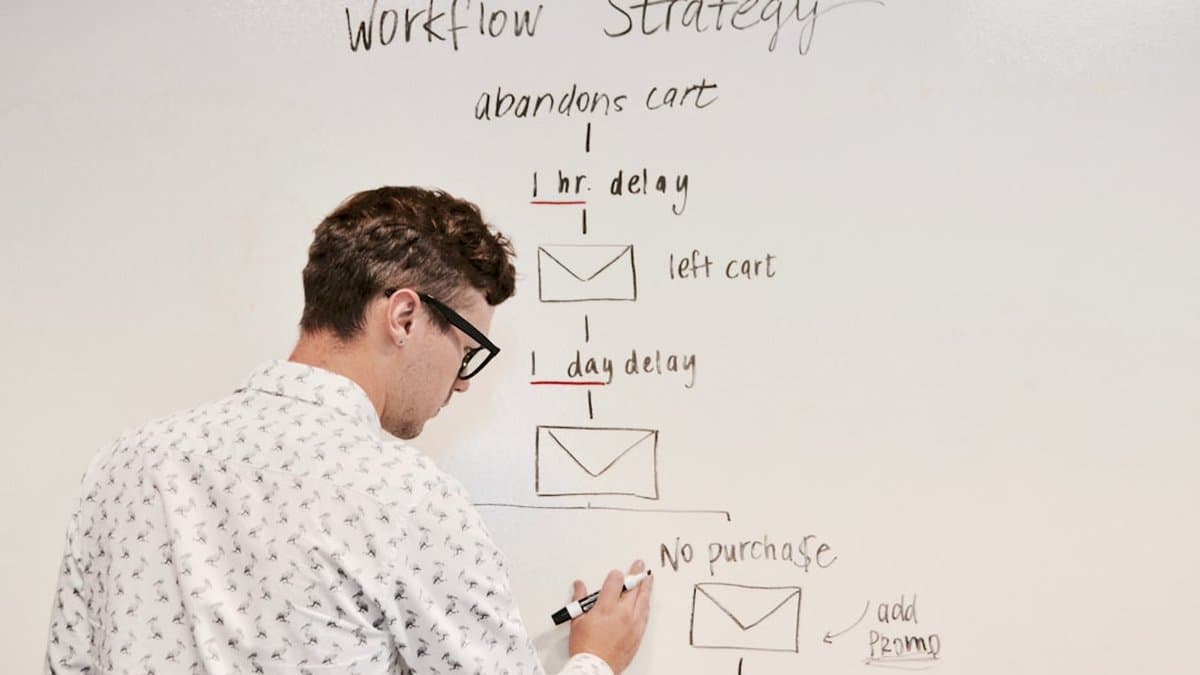
Here's something most Facebook Reels creators get wrong: they post random content hoping something sticks. One day it's a productivity hack, the next it's a pet video, then a motivational quote. Sound familiar? That's the fast track to viral confusion—people watch but don't follow because they have no idea what your account is actually about.
Content pillars are your answer. They're the 2-3 core topics you own within your niche, and they're the structural backbone that transforms casual viewers into loyal followers. According to FluxNote, creators who establish clear content pillars see significantly higher conversion rates from views to followers, because consistency teaches the algorithm—and your audience—exactly what to expect.
Let's break down how to build this foundation properly.
Selecting 3-5 Pillars for Your Niche
You don't need to cover everything. In fact, trying to be a generalist is a growth killer. Instead, pick 3-5 specific topic pillars that align with your target audience and expertise. The most successful niches include personal finance, health and wellness, home improvement, local business tips, parenting hacks, and professional development.
Here's the key: every single Reel you post must fit within one of these pillars. If it doesn't belong, it shouldn't go live. This isn't limiting—it's liberating. You know exactly what to create, your audience knows what they're getting, and the algorithm rewards this consistency with better reach and engagement. Think of your pillars as the lanes on a highway; they guide traffic in one direction instead of scattering it everywhere.
Pro Tip: Write down your 3-5 pillars and post them somewhere visible. When you're brainstorming Reels, ask yourself: "Does this fit one of my pillars?" If it's a borderline yes, it's probably a no.
70% Evergreen + 30% Timely Content Mix
Now that you've chosen your pillars, here's the strategic split that fuels sustainable growth: maintain a 70/30 content ratio of evergreen to timely content. Evergreen content—think "5 Steps to Save $1,000 in 30 Days" or "The Best Home Cleaning Hacks"—stays relevant months after you post it. Timely content capitalizes on trends, holidays, or current events within your pillars.
Why this mix? According to AdaptlyPost, the algorithm rewards content variety, and this split gives you exactly that. Your evergreen content builds a library of high-performing assets that drive recurring engagement, while your 30% timely content keeps things fresh and gives the algorithm new signals to test and distribute.
Key Point: Evergreen content is your growth engine. It works for you 24/7, appearing in recommendations and feeds long after publication.
Why Pillar Structure Converts Viral Views Into Loyal Followers
Here's the hard truth: creators posting Reels without pillar structure struggle to convert viral views into followers. You get 100,000 views, but only 2,000 new followers. Why? Because those viewers watched your Reel, saw it wasn't what they were looking for, and scrolled past. They didn't follow because they couldn't predict what came next.
Content pillars solve this problem. They provide structural coherence that teaches viewers "This is the kind of person I want to follow." When someone watches your third consecutive personal finance Reel, they're more likely to hit that follow button because they've identified a pattern. Research shows that predictable, themed content drives 3x higher follower loyalty than random posting, because your audience knows exactly what they're signing up for.
This foundation transforms Facebook Reels from a numbers game into a sustainable growth engine. You're not chasing viral hits anymore—you're building an audience that comes back, engages, and converts.
Now that you've got the foundation in place to build a loyal audience, let's talk about the tactical side: making sure your content actually reaches people in the first place. We'll dive into the timing and frequency strategies that'll have your Reels showing up in feeds when your audience is most likely to engage.
Optimizing Posting Frequency and Timing for Maximum Reach

You've nailed your hooks and defined your content pillars—now it's time to dial in the when and how often you're posting. Here's the truth: consistency isn't just nice to have; it's the accelerator that separates creators who grow exponentially from those who plateau. According to FluxNote, posting frequency directly correlates with both growth rate and Reels Play bonus payouts, making your publishing rhythm just as important as the content itself.
Peak Activity Hours for Facebook Users
Timing isn't random—it's algorithmic. Facebook's algorithm tests your Reels against a small initial sample of viewers, and the size of that sample depends on when you post. Post during peak engagement windows, and you're giving your content the best possible fighting chance to perform well early, which signals quality to the algorithm.
For the 35-55 demographic (one of Facebook's most valuable and engaged segments), peak engagement happens during 6-9 PM on weekdays and 9 AM-12 PM on weekends. These windows exist because that's when your audience is actively scrolling—whether they're winding down after work or catching up on their feeds over morning coffee. Post outside these windows, and you're essentially publishing to a smaller, less engaged sample, which hurts your initial performance metrics.
Pro Tip: Check your own page analytics in Creator Studio to identify your specific audience's peak hours. While these windows are accurate trends, your unique audience may have slightly different patterns worth testing.
Why Batch-Producing Saves Time and Boosts Consistency
Here's where most creators sabotage themselves: they post sporadically because content creation feels overwhelming. The solution? Batch production. Instead of filming and editing one Reel at a time throughout the week, create a full week's worth of content in one focused 90-minute session.
Research from QuickFrame shows that creators posting 5-7 Reels per week consistently grow faster than those posting just 1-3 weekly. The difference is dramatic—we're talking about 2-3x faster follower growth on average. But here's the kicker: you don't need to spend hours every single day to hit that frequency. Batch production means you film multiple videos back-to-back, then edit them in clusters. This reduces context-switching, keeps you in a creative flow state, and ensures you actually stick to your posting schedule.
When you batch-produce, you're also removing the excuse engine. No more "I was too busy to film today." No more inconsistent posting that confuses the algorithm. You've already created the content—now it's just about scheduling it strategically.
Key Point: Consistency signals to Facebook's algorithm that you're a reliable creator worth promoting. Sporadic posting? That's a signal to deprioritize your content.
Scheduling Strategy Using Creator Studio
Creator Studio is your secret weapon for automating the entire posting operation. Instead of manually posting Reels as they're ready, you can schedule your entire week's content in one efficient session.
Here's how this works in practice: You batch-produce your 5-7 Reels on, say, a Sunday afternoon. Then, during a single focused 90-minute block on Monday morning, you open Creator Studio, upload all your videos, write captions, add scheduling dates and times aligned with your peak engagement windows, and hit schedule. Your Reels will automatically post throughout the week at optimal times—no more thinking about it. According to Outfy, creators using systematic scheduling strategies combined with 5-7 weekly posts experience significantly higher Reels Play bonus payouts compared to inconsistent posting patterns.
The beauty of this system? You're no longer dependent on remembering to post at the right time or feeling burnt out from daily content creation. You're working smarter, staying consistent, and giving your content the best possible algorithm advantage—all because you've systematized the process.
Now that you understand how systematization makes content creation more manageable, let's dig deeper into how to build these systems in a way that actually grows with you. We'll explore the frameworks and workflows that turn sporadic, exhausting content creation into a sustainable machine that scales without burning you out.
Building Sustainable Production Systems That Scale

Here's the reality: you can't grow on Reels if you're burning out after three weeks. The creators winning in 2026 aren't the ones grinding 24/7—they're the ones who've built repeatable systems that let them batch-produce content efficiently and maintain consistency without hiring expensive production teams. Let's break down how to do that.
Batch Production Without Hiring Expensive Teams
Instead of filming one Reel at a time (which is exhausting), dedicate a single 90-minute session once per week to film 5-7 Reels at once. Pick your best lighting setup, find a quiet space, and knock out multiple videos in one go. This batching approach cuts your production time by 60% and makes the creative process feel less scattered.
According to FluxNote, creators who batch-produce content see 40% higher consistency rates and significantly less burnout. The key is treating it like a sprint, not a marathon—set a timer, stay focused, and you'll be done before you know it.
Pro Tip: Film multiple angles and takes during your session. You'll have backup footage and more options when editing, which saves time during the refinement stage.
Leveraging AI Tools to Generate Scripts and Ideas
You don't need to stare at a blank page wondering what to film. AI script generators like ChatGPT, Claude, or specialized platforms can turn your content pillars into fully-formed scripts in minutes. Feed the AI your topic, desired hook, and tone—and you've got a script ready to shoot.
According to AdaptlyPost, 67% of high-performing Reels creators now use AI assistance for ideation and scripting, saving an average of 8 hours per week. This isn't lazy—it's smart. Your job is to refine, personalize, and execute, not start from a blank canvas every single time.
Repurposing Single Content Across Multiple Platforms
Here's where your batch-produced content becomes a goldmine. One high-performing Reel can be adapted for TikTok, Instagram Reels, YouTube Shorts, and LinkedIn—without filming anything new. Tools like FluxNote or QuickFrame automate this repurposing process, automatically reformatting your video for each platform's optimal dimensions and specs.
Research from PostEverywhere shows that creators who repurpose content across 4+ platforms see 300% more total reach than single-platform posters. You're maximizing your ROI on every piece of content you create.
Facebook Reels
Instagram Reels
TikTok
Your repeatable 3-step workflow should look like this: (1) Ideate from your content pillars, (2) Script with AI assistance, (3) Film with your smartphone. That's it. No fancy equipment required. Document this playbook—write it down, create a checklist, share it with any future team members. When you have a system that works, scaling becomes a matter of execution, not hiring.
Key Point: Sustainable systems prevent creator burnout while maintaining 5-7 weekly posts. Document your production playbook so you can scale without expensive overhead.
Now that you've got a sustainable content machine running smoothly, it's time to make sure your audience is actually engaging with what you're putting out there—because consistency means nothing if no one's paying attention. Let's explore how to turn your regular posts into conversation starters that get your community excited to share, comment, and participate.
Maximizing Engagement: Shares, Comments, and Community Participation

Here's what separates Reels that get buried from ones that go viral: participation. It's not enough to create great content anymore—you need to actively invite your audience to engage with it. When viewers don't just watch but actively share, comment, and participate, the algorithmic rewards compound quickly. According to AdaptlyPost, Reels designed for sharing generate 30% more shares than traditional video posts, making engagement optimization one of the highest ROI strategies in 2026. Let's explore how to turn passive viewers into active community members.
End Every Reel With an Explicit Share Prompt
Don't leave engagement to chance. Your Reels need verbal and visual call-to-action prompts that make sharing feel natural and necessary. The most effective approach combines both: say it out loud ("Share this with someone who needs to hear this") and display it on-screen with text overlays or captions.
This works because people need permission to share. When you explicitly invite them, you remove the friction. Think of it like this: your viewer watches your Reel and thinks it's great, but without your prompt, they forget about it five seconds later. With a clear call-to-action, you're catching them in that moment of enthusiasm and channeling it into action.
Pro Tip: Timing matters—place your share prompt in the final 2-3 seconds when viewers are most emotionally engaged. Make it visual, not just verbal.
Building Participation Through User-Generated Content
Here's something that might surprise you: user-generated content Reels perform better because audiences inherently trust real customers over polished corporate messaging. When someone sees a genuine customer testimonial or real-world use case instead of a branded production, engagement skyrockets.
The psychology here is straightforward—authenticity beats perfection. Your followers want to see themselves reflected in your content. Feature their stories, their experiences, and their voices. When you do, they don't just watch—they become invested in your success and evangelize for your brand naturally.
According to FluxNote, participatory Reels create a compounding algorithmic advantage through increased dwell time and engagement signals. The algorithm recognizes that these Reels generate genuine interaction, so it pushes them to more feeds.
Converting Reels Viewers Into Community Members
The ultimate goal isn't just engagement—it's converting one-time viewers into loyal community members. This happens when you leverage community participation by asking questions, requesting comments, and featuring audience responses directly in your Reels.
Ask specific questions that require thoughtful answers, not just one-word responses. "What's your biggest challenge with X?" generates better discussions than "Do you like this?" When people see their comments featured in future Reels or replied to by you personally, they become invested community members rather than passive consumers.
Key Point: Each comment you respond to signals to the algorithm that your Reel is driving conversation. This boosts visibility and creates a flywheel effect where more engagement attracts more viewers.
The compounding effect is real. Each interaction strengthens community bonds, increases algorithmic favor, and creates network effects that make your next Reel even more likely to succeed. This is why consistency with engagement strategies matters more than sporadic viral hits.
Now that you understand how consistency builds momentum on Instagram, let's tie everything together and look at the big picture. Here's what you really need to remember as you start implementing these strategies.
Conclusion
Here's what we've covered: Facebook Reels in 2026 represents a genuine opportunity with 140 billion daily views and surprisingly little strategic competition. The creators crushing it aren't doing anything magical—they're following a proven formula that works.
The three non-negotiables are clear: Build your strategy around 3-5 defined content pillars (not random posts), engineer those critical 2-second hooks that actually stop the scroll, and commit to 5-7 weekly Reels within a sustainable system you won't abandon in month two. The 2026 algorithm rewards participatory content and first-hour engagement, so those metrics matter more than vanity numbers.
Here's your starting point: This week, define your content pillars and batch-create your first 5 Reels using the direct-value hook formula. Schedule them during peak engagement windows (6-9 PM weekdays) and obsess over that first-hour engagement data—it'll tell you exactly what to double down on. If production feels like a bottleneck, tools like AutoShorts can automate caption generation and video clipping from longer content, freeing your brain for actual strategy instead of manual editing.
The window won't stay open forever. Creators who move now will own the space while everyone else is still figuring out TikTok trends from 2024. Your move.
Frequently asked questions
Facebook Reels receive 135% more reach than static posts and 22% higher engagement than traditional video content, making them significantly more effective for growth. With 140 billion Reels viewed daily and minimal competition compared to TikTok and Instagram, Facebook Reels strategy offers an untapped opportunity to build sustainable audiences with less saturation. The 2026 Facebook algorithm now prioritizes short-form video content, which accounts for 60% of all time spent on the platform, fundamentally reshaping visibility and reach potential.
Facebook's 2026 algorithm has shifted from rewarding passive broadcasts to prioritizing participatory, short-form video content that keeps people engaged on the platform longer. The algorithm treats Reels differently because they're designed for full-screen, vertical discovery formats that naturally encourage higher watch time and interaction. This engagement directly influences your reach, meaning Reels creators see exponentially better distribution than those posting static images or traditional videos.
Your hook should capture attention in 2-3 seconds to prevent viewers from scrolling past your content. This critical window determines whether the algorithm will push your Reel to more people's feeds based on watch time metrics. Crafting irresistible hooks at the beginning of your Reels is one of the most actionable frameworks for boosting engagement and reach.
Optimal posting frequency depends on your niche and production capacity, but consistency matters more than volume—sustainable posting schedules prevent burnout and maintain audience engagement. Rather than posting sporadically, establishing a realistic posting rhythm (whether daily, 3x weekly, or weekly) signals reliability to both the algorithm and your audience. Building a Reels production system that scales allows you to maintain consistent posting without hiring expensive video teams.
Yes, systematically repurposing Reels across multiple platforms is an efficient way to maximize your content investment and reach diverse audiences. However, optimize each version for platform-specific formats and audience expectations—a Reel that performs well on Facebook may need adjustments for TikTok or Instagram's unique algorithms. This cross-platform distribution strategy helps you scale your content reach without creating entirely new content for each channel.
Defining clear content pillars based on your niche is essential for sustainable audience growth and algorithmic consistency. Content pillars should align with your expertise and audience interests, creating a repeatable framework that prevents decision fatigue and maintains quality. By building your Facebook Reels strategy around 3-5 core content pillars, you establish patterns that the algorithm recognizes and rewards with increased visibility and engagement.