
Stop undercharging for viral content. Learn value-based pricing strategies for TikTok, Reels, and short-form video that reward results, not hours spent.
Two freelancers each spend 10 hours on a TikTok. One clip hits 50,000 views and drives a client's best sales week of the quarter. The other gets 2,000 views and disappears into the feed.
Same hours. Same invoice, probably, if you're billing by the hour. Same pay.
That's the problem. Hourly pricing assumes effort and outcome move together, and in short-form video, they don't. Ten hours can produce a dud or a client's best-performing asset of the year, and the client knows which one they got. Charging the same for both either shortchanges you when you deliver a hit, or overcharges you when you don't — and clients notice the second one a lot faster than they reward the first.
Virality, follower growth, ad spend ROI: none of that is measured in hours. It's measured in engagement rates, watch time, conversions, cost per acquisition. So price on those instead. Build rates around the value you actually deliver, not the time it took to deliver it, and you stop guessing what you're worth. You start charging it.
Why Hourly Rates Fail for Short-Form Video Work
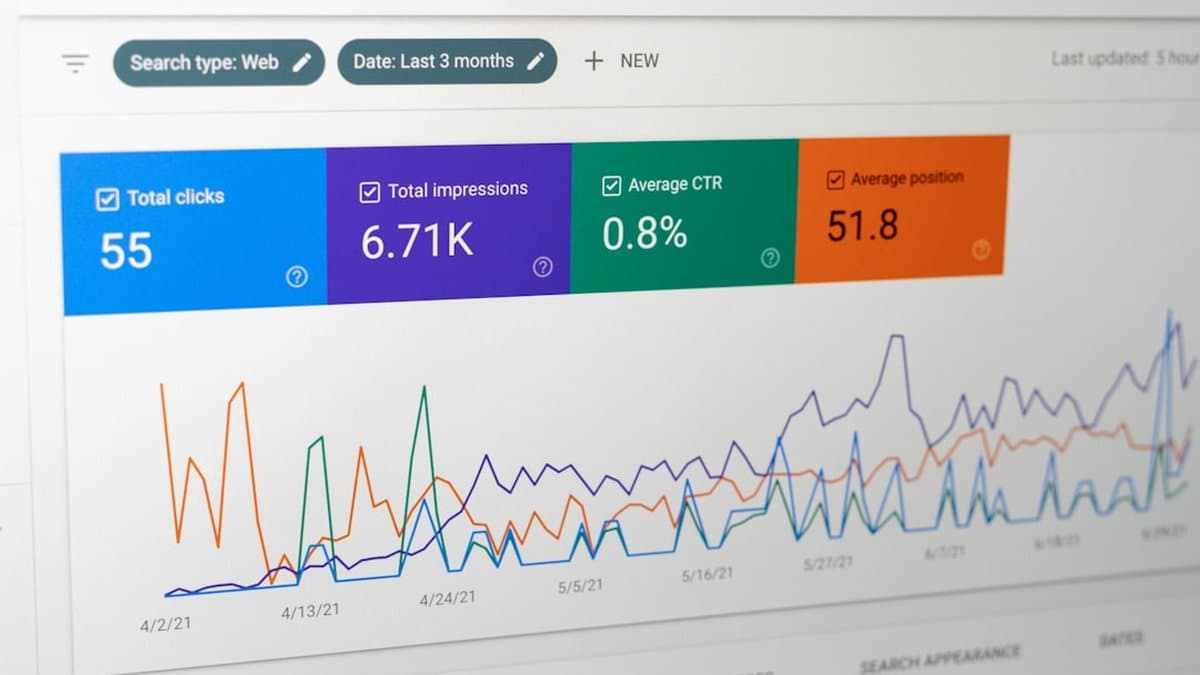
Hourly billing feels fair because it's simple. It isn't fair, and it isn't simple once you actually look at what you're selling. You're not selling hours in Premiere. You're selling a shot at a client's next viral clip, and an hourly rate can't price a shot at anything.
The time-to-value disconnect
A 30-minute edit that nails the hook in the first three seconds will outperform a 3-hour edit that buries the payoff at frame 40, every time. Retention is decided almost instantly. So the hours you spent don't map to what the client actually got.
Flip the logic and it gets worse. Bill by the hour and the fast, instinctive edit that happens to work becomes the less profitable job. You're financially better off being slow. That's a broken incentive, not a pricing philosophy.
What your clients actually care about
Clients don't see your timeline. They see a dashboard: click-through rate, watch-time, follower count moving or not moving. According to Design Lumo, when the value you deliver is measured in virality, follower growth, and ad spend ROI, time-based fees stop reflecting the actual impact of the work.
Key Point: A client paying for outcomes will always feel overcharged by an invoice that itemizes hours. The two are speaking different languages.
Where hourly pricing breaks down
The math punishes you in both directions. A dud video still costs you the hours you billed, but you eat the reputational damage and the redo requests for free. A hit video is capped at the same rate as the dud, so you never get paid more for the thing that actually worked.
And then there's scope creep. Sell time, and every extra revision, alternate cut, or "can we try a different hook" becomes a negotiation about minutes instead of a scoped deliverable. Sell a package of clips, and that conversation doesn't happen — it's already priced in or explicitly out.
Warning: If your contract says "billed hourly," expect every client conversation to eventually become a conversation about your clock, not their results.
None of this means hourly rates are worthless everywhere. Strategy calls, one-off consulting, ad-hoc requests outside a retainer — hourly still makes sense there. It just doesn't survive contact with a deliverable whose entire value depends on 3 seconds of hook and an algorithm you don't control.
The Three Value Drivers That Justify Premium Pricing

If you want to charge more than your hourly-rate competitors, you need to stop talking about time and start talking about outputs you can point to on a dashboard. Not vague ones. Specific, named, measurable ones. There are three that matter, and each has a number attached to it.
Hook optimization and first-frame retention
The first three seconds decide whether a viewer stays or scrolls. That's not a slogan, it's the mechanic the algorithm rewards. According to Design Lumo, hook-screen graphics and an optimized first frame boost first-frame retention by 20%+, and that retention number feeds directly into how the platform decides who else sees the clip.
This is worth pricing on its own. A clip that keeps 20% more viewers past the hook isn't 20% better -- it can be the difference between 2,000 views and 50,000, because retention compounds through the recommendation system. Charge for the hook, separately, as a line item if you want. It's the highest-leverage three seconds you'll ever edit.
Dynamic text and visual hierarchy
Text overlays aren't decoration. They're a retention tool and a click-through tool at the same time. According to Design Lumo, dynamic text overlays and strategic visual design increase click-through rates on both paid ads and organic distribution.
That means the same design skill serves two budgets: the client's ad spend and their organic reach. Price accordingly -- this isn't a caption slapped on for accessibility, it's a conversion layer.
Worth knowing: Word-level captions that highlight the exact word being spoken hold attention longer than static subtitle blocks. If you're producing at volume, tools like AutoShorts burn these in automatically from the transcript, so the design decision matters more than the manual labor.
Cross-platform repurposing and extended reach
One long-form video, cut into clips for TikTok, Reels, and Shorts, doesn't triple your work. It triples the shelf life of a single asset. According to Green Frog Labs, a brand spending $5,000 a month on a short-form video agency gets 12-20 TikToks and Reels out of that spend -- volume that comes from repurposing, not from filming more.
Each of these three drivers is quantifiable. That's the whole pitch: you're not asking a client to trust your taste, you're tying your fee to a metric they already track.
Building Tiered Retainer Packages Instead of Per-Video Pricing

Per-video pricing means you're renegotiating your income every single month. Tiered retainers fix that. You quote once, deliver a defined scope, and get paid the same amount whether the client sends you three briefs or thirty. That predictability is the entire pitch, both to you and to them.
Core, Growth, and Premium tiers
Three tiers, three clearly different scopes. That's the whole trick.
- Core: 8–12 videos a month, basic captions, thumbnail, one platform
- Growth: everything in Core, plus cross-platform versions and light hook testing
- Premium: everything in Growth, plus strategy calls, dynamic overlays, and monthly performance reporting
According to Design Lumo, when the value you deliver is measured in virality, follower growth, and ad spend ROI, time-based fees stop reflecting the actual impact of the work. That's the argument for tiers in one sentence: you're not selling more hours at the top tier, you're selling more decisions made on the client's behalf.
Setting deliverables and revision limits
Scope creep kills retainers faster than bad pricing does. A client who can ask for "just one more tweak" forever will. Cap it: two rounds of revisions per video, in writing, before you sign anything.
Warning: An unlimited-revisions clause is the single fastest way to turn a $2,000/month retainer into a part-time job that pays like a hobby.
Extra rounds get billed separately, or they don't happen. Either way, say it up front.
Pricing at $1,000 to $3,000 per video equivalent
According to D-MAK, short-form clips for TikTok, Reels, and Shorts average around $1,000 to $3,000 each in 2026 — that's your anchor for translating tier scope into a monthly number. A Core package at 10 videos lands near the bottom of that band per clip; Premium, with strategy and reporting layered in, should land near the top.
Price the tier on hook optimization, engagement lift, and cross-platform reach — not on hours in the timeline. That's the whole point of moving away from per-video billing in the first place.
Positioning to Prevent Sticker Shock and Justify Your Rates
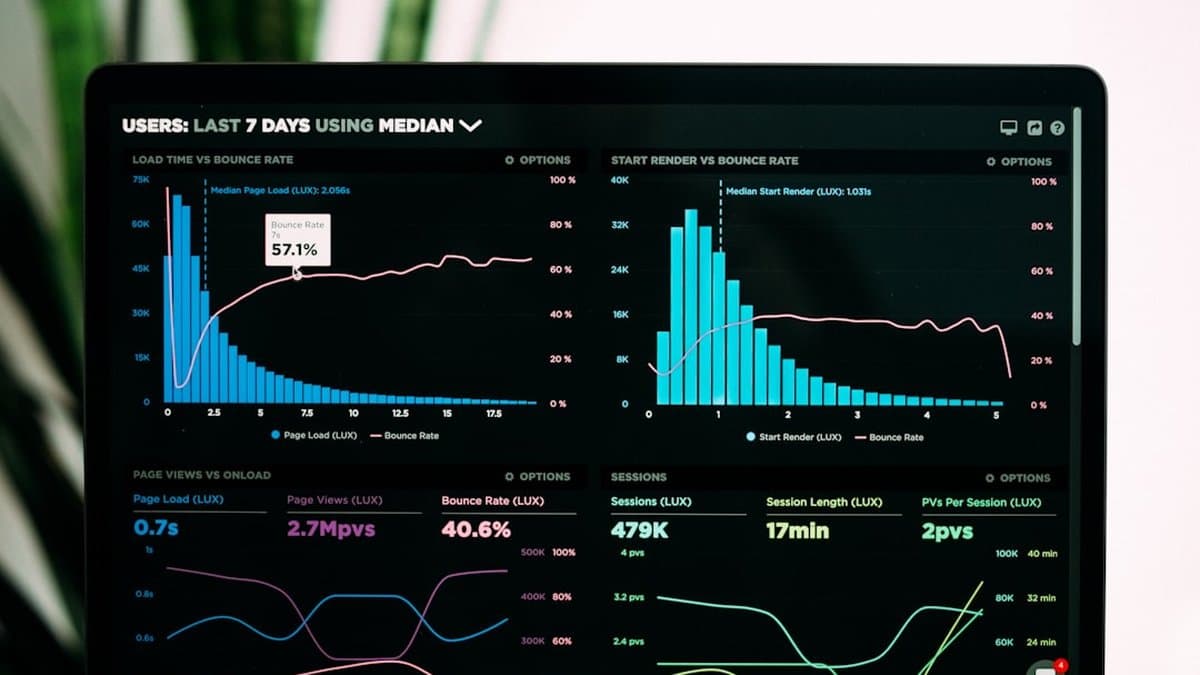
A high number on an invoice isn't the problem. An unexplained high number is. Clients don't balk at $8,000 a month because it's expensive — they balk because they can't see what it buys. Fix the second thing and the first thing stops mattering.
Lead with metrics, not process
Nobody hires you to hear about your editing workflow. They hire you for outcomes: a 20% retention lift, a higher CTR on paid ads, 10,000 new followers a month. Say those things in the proposal. Don't say "we'll cut 20 videos and add captions."
According to Design Lumo, when the value you deliver is measured in virality, follower growth, and ad spend ROI, time-based fees stop reflecting the actual impact — which is exactly why leading with a process description undersells you. Process is what you do. Metrics are what they're buying.
Anchor pricing to the alternative
Your rate never exists in a vacuum. It exists next to whatever the client would pay instead — a traditional agency at $25,000+ a month, or an in-house hire cranking out lower-engagement content on a salary. Put that number next to yours early. It reframes the conversation from "is this expensive" to "compared to what."
Worth knowing: If a prospect has never priced out a traditional agency, tell them the range unprompted. Silence lets them anchor to whatever number scares them most.
Use performance as proof
Math beats adjectives. If a hook optimization drives 5% more views on a $10,000 ad spend, that's $500 in traceable value from one three-second edit. Walk clients through that arithmetic once, and your fee stops looking like a cost.
Build performance reporting into the retainer itself, not as an afterthought. Clients who see the ROI in real time stop asking what they're paying for.
Key Point: Reporting isn't overhead — it's the receipt that makes your next renewal conversation short.
Start With One Tier, Not a Full Rebuild
If you take one thing from this and do it this week, make it this: build the middle tier first. Not Core, not Premium. Growth.
Core is too easy to justify with hours, and Premium requires proof points you probably don't have yet. Growth is where the value-based pitch actually lands — enough scope to attach real metrics to, small enough that a client will say yes without a board meeting.
Skip the temptation to build all three tiers and a slide deck before you talk to anyone. That's busywork dressed up as strategy. You don't need a finished pricing menu to test whether a client will pay for outcomes instead of hours. You need one conversation.
So: pick an existing client. Define two or three value drivers — hook retention, caption completion rate, whatever you can actually measure for their content. Attach a number to each. Quote it as a flat monthly fee, anchored against what an agency would charge for the same output.
If you're spending your billable hours clipping long-form into shorts instead of pricing and pitching, that's the wrong use of your time. AutoShorts handles the clipping and captioning so the hours you do bill go toward strategy, not scissors.
Frequently asked questions
Hourly billing disconnects effort from actual outcomes in short-form video work. A fast 30-minute edit that nails the hook can outperform a slow 3-hour edit, yet hourly rates pay you the same—or worse, incentivize slowness. Since clients measure success through engagement rates, watch time, and conversions (not hours spent), value-based pricing better reflects the actual impact you deliver.
Hourly rates charge for time invested regardless of results, while project-based pricing charges for the deliverable and its expected value. When pricing short-form video services as a freelancer or agency, project-based models align your payment with client outcomes—a viral hit or engagement spike—rather than penalizing you for efficient work or rewarding you for wasted time.
Professional short-form video typically ranges from $1,000 to $3,000 per clip depending on complexity, revisions included, and your experience level. More complex productions with multiple hooks, heavy editing, or premium performance guarantees can reach $5,000+, while simpler content for emerging brands may start at $500–$1,000. Calculate your minimum rate by factoring in equipment, software, revisions, and desired profit margin.
A solid package should specify the number of deliverables (e.g., 4 clips per month), revision rounds included, platform-specific formats, and measurable outcomes you're accountable for (like hook optimization or engagement targets). Tiered packages—starter, professional, and enterprise—let you serve different budgets: brands spending $5,000 monthly typically receive 12–20 videos, so structure packages around expected volume and value delivery.
Frame the conversation around outcomes rather than hours: show clients the engagement metrics, CTR, or conversions your work drives, then explain why value-based pricing aligns your success with theirs. Offer a transition period with clear deliverables and performance benchmarks, and provide a comparison showing how project-based rates often cost the same or less while removing scope creep and revision disputes.
Yes, platform requirements vary significantly in editing complexity, format specs, and audience behavior, justifying different rates. TikTok's hook-driven format and rapid editing may command premium rates due to performance sensitivity, while YouTube Shorts allow longer content with different pacing demands. When pricing short-form video services, adjust rates based on platform-specific requirements and your historical performance data on each channel.