
Should creators invest in spatial video? Discover the real costs, audience demand, and monetization reality for Vision Pro content creators.
Introduction
Apple Vision Pro's spatial video capability arrived with considerable fanfare and technological promise, yet creator adoption has remained notably sluggish. While the technology undeniably represents an innovation frontier, short-form creators face an uncomfortable reality: niche audience adoption, fragmented distribution channels, and unclear monetization pathways have created a gap between the device's potential and its practical utility for content professionals.
This divergence raises an urgent strategic question for creators navigating increasingly competitive digital landscapes. Is spatial video a forward-thinking investment that positions early adopters for future dominance, or a resource-intensive detour from proven, revenue-generating platforms?
This analysis moves beyond the hype to provide a pragmatic business framework for your spatial video decision. We'll examine the technical and financial realities, assess genuine audience demand, calculate true resource requirements, and establish clear metrics for determining whether spatial video deserves a place in your content strategy. By the conclusion, you'll possess a concrete decision-making framework grounded in data rather than speculation—enabling you to allocate your creative resources where they'll generate measurable returns for your business objectives.
Let's cut through the innovation narrative and focus on what actually matters: whether spatial video makes sense for your creator business.
Before you can determine whether spatial video aligns with your business goals, it's essential to understand what technical capabilities and resources this format actually demands. The following section breaks down the concrete requirements and barriers you'll need to assess for your own operation.
Understanding Spatial Video Requirements and Technical Barriers
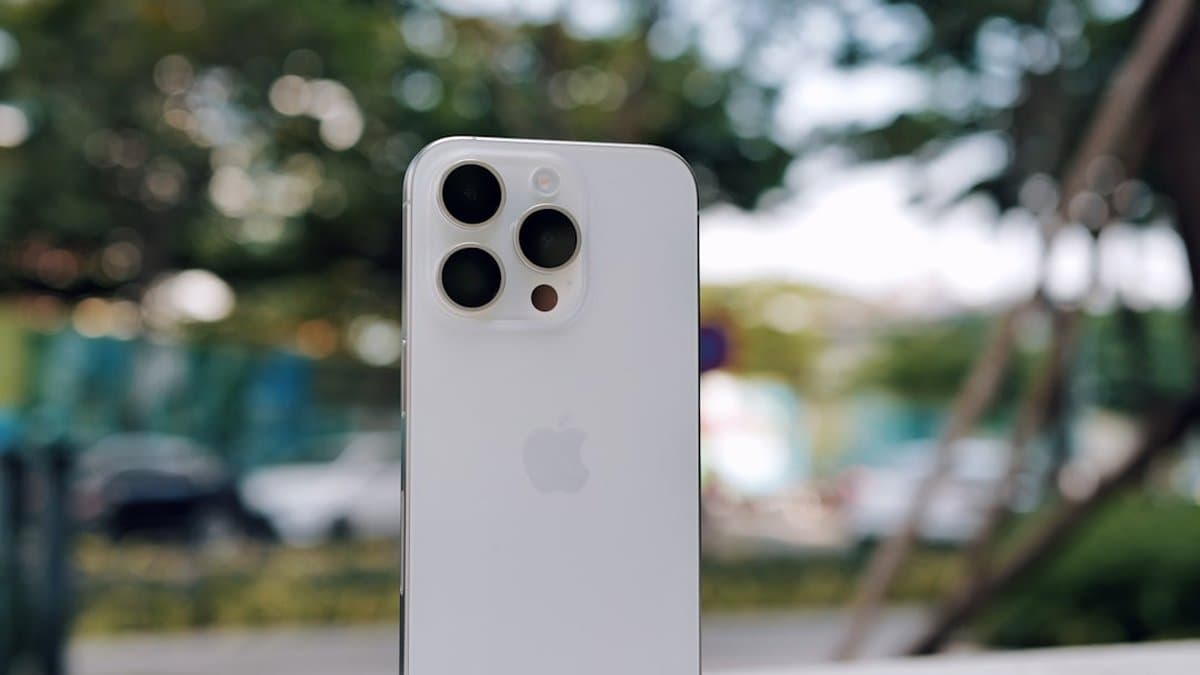
Creating spatial video content for Apple Vision Pro requires navigating a complex landscape of hardware constraints, technical specifications, and distribution challenges. Unlike traditional video production, where established workflows and standardized tools have matured over decades, spatial video remains nascent—forcing creators to confront significant technical barriers before even capturing their first frame. Understanding these requirements is essential for making an informed decision about whether spatial video represents a viable investment of time and resources.
Essential Equipment vs. Existing Gear
The entry-level hardware barrier is deceptively modest on the surface. The iPhone 15 Pro serves as the primary consumer capture device, meaning creators with this device can begin experimenting with spatial video immediately without substantial additional investment. According to Gear Patrol, spatial video capture from iPhone 15 Pro has become increasingly practical for content creators seeking to test the medium.
However, this apparent accessibility masks a critical limitation: spontaneous capture is constrained by the device's telephoto lens requirements and stabilization needs. For superior depth perception and professional-grade spatial video, the Apple Vision Pro itself ($3,500+) becomes the preferred capture device—but its immersive form factor and limited recording duration fundamentally restrict how and when creators can capture content. This creates a paradox: the most accessible entry point (iPhone 15 Pro) provides adequate but not exceptional spatial video, while the superior option is prohibitively expensive and impractical for most shooting scenarios.
Warning: Choosing between iPhone 15 Pro convenience and Vision Pro quality represents a core trade-off with significant financial and logistical implications.
Capture Specifications and File Management
Spatial video operates on technical specifications fundamentally different from traditional video formats. Content captures at 1080p resolution, 30fps, encoded in HEVC format—generating massive file sizes of 500MB to 1GB per minute of footage. This creates immediate storage and bandwidth challenges for creators accustomed to standard 4K workflows.
These file sizes aren't merely inconvenient; they reshape production logistics entirely. A single day of shooting produces dozens of gigabytes requiring robust cloud infrastructure, external storage solutions, and backup protocols. For short-form creators operating with lean technical setups, this represents a significant operational friction point that extends beyond capture into archival and management phases.
Key Point: A single hour of spatial video footage consumes 30-60GB of storage—comparable to 4K multicam productions despite lower resolution output.
Distribution Channel Limitations
Perhaps the most significant barrier facing spatial video creators is the absence of established distribution infrastructure. According to Bit Rebels, mainstream platforms like YouTube and social media channels have not implemented native spatial video playback capabilities, forcing creators to rely on workarounds.
Current distribution methods remain fragmented and technically complex. Creators must utilize sideloading, iCloud sharing, or third-party applications like Acute Immersive to deliver spatial video to audiences. This fragmentation eliminates the seamless, standardized distribution pipeline that short-form creators depend on for platform growth and audience reach. Without centralized distribution channels, building sustainable viewership becomes exponentially more difficult.
Given these technical and infrastructural barriers to spatial video production, it's essential to examine whether the market demand and actual adoption rates justify these significant investments and operational challenges. Understanding the real-world trajectory of Vision Pro adoption provides critical context for evaluating the viability of spatial video as a mainstream content format.
Audience Demand and Vision Pro Adoption Reality
The fundamental challenge facing short-form creators considering spatial video investment is brutally straightforward: Vision Pro's installed user base remains orders of magnitude smaller than established platforms. While Apple doesn't publicly disclose precise adoption figures, industry analysis suggests the device commands a fraction of the audience available on YouTube, TikTok, or Instagram. This audience disparity creates an uncomfortable calculus for creators—even compelling spatial content reaches exponentially fewer viewers than traditional formats.
Current Adoption Rates and Market Size
Vision Pro launched with significant technological achievement but limited market penetration. The device's $3,499 price point, combined with initial supply constraints, has restricted adoption to early adopters and technology enthusiasts rather than mainstream audiences. According to Gear Patrol, spatial videos on Apple Vision Pro remain a nascent feature, with limited creator participation and viewer familiarity. This creates a chicken-and-egg scenario: creators hesitate to invest in spatial content because audiences are small, while potential viewers have minimal spatial content to explore, limiting platform appeal.
Warning: Building a content strategy around Vision Pro's current audience size carries substantial risk. The platform lacks the viewer foundation that justifies production investment for most creators.
Viewer Engagement Potential
Early research indicates viewers actually prefer authentic, proximity-focused content that genuinely leverages immersive capabilities rather than repurposed traditional videos. However, this preference comes with physical limitations. According to Bit Rebels, viewing sessions for immersive 360-degree content tend to be shorter due to motion sensitivity and physical discomfort thresholds. Creators cannot simply extend session lengths like they do on traditional platforms—spatial video's immersive nature actually constrains viewer tolerance for extended viewing.
Demographic and Viewing Pattern Gaps
The creator ecosystem remains sparse, which simultaneously suggests early-mover advantage and validates that demand remains speculative. Platform algorithm preferences for spatial versus traditional content remain entirely undocumented, leaving creators without performance metrics or guidance. This information vacuum means you're essentially experimenting without data—an expensive proposition when production resources are finite.
Key Point: Without established metrics, creator guidelines, or audience demographic data, spatial video investment becomes a speculative venture rather than a calculated business decision.
Yet despite these measurement challenges, the spatial video landscape is rapidly evolving with emerging monetization models that promise to transform speculative investments into measurable returns. Understanding these economic opportunities and building a robust ROI framework is essential for creators ready to move beyond uncertainty and capitalize on spatial media's commercial potential.
Monetization Opportunities and ROI Framework for Spatial Creators

The monetization landscape for spatial video creators presents a fundamentally uncomfortable reality: no established revenue pathways currently exist. Apple has not announced direct creator compensation models, revenue-sharing agreements, or monetization infrastructure comparable to YouTube Partner Program or TikTok Creator Fund. This absence of defined financial incentives creates substantial business risk for creators considering significant resource allocation to spatial video production.
Warning: Before investing in spatial video production, understand that Apple has provided no timeline, framework, or guarantees for creator monetization. Current adoption relies entirely on speculative positioning rather than proven income generation.
Current Revenue Models and Platform Economics
The only theoretically viable monetization pathway for spatial video creators operates through indirect channels: brand partnerships and sponsored content. According to Gear Patrol, the nascent ecosystem around spatial video means that sponsorship opportunities remain limited and highly dependent on demonstrating audience reach metrics that don't yet exist in standardized form.
This indirect model requires creators to prove engagement, audience size, and demographic value to potential brand partners—metrics that Apple's spatial video platform has not yet developed or publicized. Building a sponsorship-based business model typically demands months or years of audience cultivation and documented performance history. For short-form creators accustomed to platform-native monetization (ads, creator funds, direct payments), this represents a significant operational shift requiring substantial business development effort with uncertain conversion probability.
Comparison with Traditional Platform Revenue
Traditional short-form video platforms offer creators multiple, immediate monetization pathways: platform-administered ad revenue sharing, creator funds, live donations, and native tipping mechanisms. YouTube, TikTok, and Instagram all provide transparent creator earning structures, audience analytics dashboards, and established advertiser networks. Spatial video offers none of these infrastructure elements.
The production cost structure differs meaningfully as well. Creating spatial video requires either an iPhone 15 Pro (moderate hardware investment if upgrading) or no additional equipment investment if you already own the device. However, according to VRC, the time investment substantially exceeds traditional short-form video production due to immature workflows, limited editing tools, and complex file management requirements. When time cost is factored into return-on-investment calculations, the financial proposition becomes significantly less attractive than established platforms.
Key Point: A creator earning $2,000 monthly on YouTube requires substantially less production time than a creator with zero monetization revenue on spatial video. The opportunity cost of misallocated resources compounds over months.
Strategic Considerations for Resource Allocation
Evaluating spatial video requires applying rigorous resource allocation frameworks. The calculation presents an unfavorable risk profile: moderate technical investment (hardware, learning curve, workflow development) versus uncertain audience size and undefined monetization timeline. Early adopters may theoretically gain competitive advantage and audience goodwill if the platform eventually achieves mainstream adoption, but this benefit remains speculative and unpredictable.
Financial prudence suggests that resources should flow toward channels with established monetization, proven audience demand, and predictable revenue mechanics. Spatial video investment makes strategic sense only if positioned as exploratory positioning for creators with excess capacity and genuine interest in emerging technologies—not as primary income generation strategy for professional creators with financial dependencies on consistent revenue streams.
Understanding these limitations is essential, but the real challenge lies in determining whether short-form content aligns with your specific business objectives and constraints. The following framework provides creators with a structured approach to evaluate this opportunity against their unique circumstances and long-term goals.
Strategic Decision Framework for Short-Form Creators

Before committing resources to spatial video production, you need a structured decision framework that weighs opportunity costs against realistic returns. The previous sections established that spatial video requires significant technical investment, faces limited audience adoption, and lacks established monetization pathways. This reality demands a pragmatic approach that protects your primary revenue streams while allowing strategic experimentation.
The following framework helps you evaluate whether spatial video deserves a place in your production roadmap—and if so, how much effort to allocate.
When Spatial Video Makes Business Sense
Spatial video isn't universally valuable for every creator. Research from Gear Patrol demonstrates that the immersive format shows particular promise in specific verticals where depth perception genuinely enhances storytelling.
Spatial video warrants serious consideration only under these conditions:
You already own an iPhone 15 Pro and are comfortable with current capture workflows. This eliminates the hardware investment barrier that makes spatial video prohibitively expensive for most creators.
Your existing audience has demonstrated interest in immersive or premium experiences. This might include followers engaged with luxury real estate, travel documentation, or high-end product showcases. Spatial depth adds tangible value in these contexts rather than functioning as a gimmick.
You operate in niche markets where spatial immersion serves functional purposes. Real estate agents showing high-value properties, travel creators documenting destination experiences, and documentary filmmakers capturing environmental scale all benefit from Vision Pro's depth capabilities. In these verticals, spatial video becomes a storytelling tool rather than a technical experiment.
Warning: Do not pursue spatial video merely because it's new or technologically impressive. Format-first decisions consistently underperform format-agnostic approaches focused on audience needs.
Prioritization Against Proven Platforms
YouTube, TikTok, and Instagram remain objectively superior platforms for short-form creators in 2024. According to Bit Rebels, these platforms deliver measurable audience reach, algorithm-driven discoverability, and established monetization infrastructure that spatial video cannot match.
The mathematical reality:
- YouTube's algorithm reaches billions of monthly users with predictable audience growth metrics
- TikTok's For You Page consistently outperforms Vision Pro's limited content discovery
- Instagram Reels monetization provides immediate revenue pathways
- Spatial video's audience remains confined to approximately 500,000+ Vision Pro users globally
Proven platforms deliver quantifiable returns today. Spatial video delivers speculative upside tomorrow. This asymmetry means maintaining primary focus on high-ROI platforms isn't conservative—it's mathematically rational.
Pro Tip: Calculate your current cost-per-view and engagement rates on established platforms. Then ask honestly: what Vision Pro metrics would justify abandoning proven systems?
Experimentation-First Approach
The optimal strategy allocates 10-15% of your production capacity to spatial content experimentation while maintaining concentrated effort on primary platforms. This approach preserves your core revenue engine while building knowledge for when market conditions shift.
Monitor three specific indicators before increasing spatial investment: Vision Pro installed user base growth (currently tracking below iPad adoption trajectories), official Apple monetization announcements for creators (currently absent as of late 2024), and non-linear editing software workflow maturity for spatial production (still maturing).
Key Point: This isn't a permanent "no" on spatial video—it's a disciplined "not yet" that protects your business while staying positioned for market evolution.
While maintaining this strategic restraint positions your organization to act decisively when the market matures, understanding the competitive landscape becomes equally critical to ensure you're not left behind when adoption accelerates. Let's examine the first-mover advantages and competitive positioning strategies that will determine whether your measured approach translates into market leadership.
First-Mover Advantages and Competitive Positioning

The competitive landscape for spatial video content remains largely uncontested, presenting a unique window of opportunity for creators willing to experiment early. However, this advantage comes with significant caveats that require careful evaluation before committing production resources. Understanding the trade-offs between first-mover benefits and the real risks of premature investment is essential for making an informed decision about spatial video adoption.
Early Adoption Benefits and Risks
The limited existing library of short-form spatial content creates genuine differentiation potential for early adopters. Creators who establish themselves now can build brand associations with innovation and immersive storytelling—qualities that may yield long-term competitive advantages if Vision Pro adoption accelerates beyond current projections. According to Bit Rebels, the integration of spatial video capabilities into mainstream platforms is fundamentally reframing how audiences perceive immersive content consumption.
However, this opportunity carries substantial downside risk. Success stories and case studies of profitable short-form spatial creators are essentially nonexistent, making business modeling purely speculative. If Vision Pro adoption plateaus or spatial video becomes confined to niche experiences rather than mainstream consumption, early production investments could represent sunk costs with minimal return. The risk-reward calculus depends heavily on your ability to absorb potential losses without jeopardizing broader content operations.
Warning: The absence of proven spatial video monetization success stories means you're operating without validated financial benchmarks. Early adoption should be framed as experimentation, not core business strategy.
Building Audience in Emerging Ecosystems
Building an audience in immature platforms requires fundamentally different expectations than competing in established ecosystems. Early adoption grants access to users who actively seek new content formats, but these audiences remain small and concentrated among technology enthusiasts rather than mainstream demographics. This creates a paradox: the low-competition entry environment attracts limited absolute viewership compared to traditional short-form platforms.
The timing advantage works primarily in your favor if you can sustain visibility as the market matures. Creators who establish credibility in emerging spatial formats may enjoy preferential positioning when adoption eventually scales—assuming it does. According to Gear Patrol, the early ecosystem remains highly experimental, with platforms still refining how spatial content is discovered and recommended to users.
Pro Tip: If you proceed with spatial video production, document your experimentation process and learnings publicly. This positions you as a thought leader in spatial media, building credibility that transcends platform-specific metrics.
Timing Considerations
The window for low-competition entry into spatial video is open now, but closure timing remains unpredictable. Current market conditions allow you to experiment with spatial formats without requiring significant production resource commitments—a luxury that disappears as the space matures and competition intensifies. This temporary advantage should influence your approach: treat spatial video as a measured pilot program rather than a resource-intensive commitment.
The optimal timing decision balances two competing factors. Acting too early risks wasted effort if adoption stalls; waiting too long forfeits first-mover positioning and forces you to compete with established spatial creators. According to Apple, the technical infrastructure for spatial video capture and distribution continues to evolve, suggesting that production workflows and best practices will become increasingly standardized over the next 12-24 months.
Key Point: The optimal timing window for low-risk spatial video experimentation is 6-18 months. Beyond that, market maturation will increase competitive pressure and production expectations, making entry significantly more expensive.
This first-mover analysis reveals a critical reality: spatial video offers genuine competitive positioning advantages, but only if you frame involvement as strategic experimentation rather than core business investment. The next section provides a structured framework for evaluating whether spatial video aligns with your specific business objectives and constraints.
Having explored the framework for evaluating spatial video's alignment with your business goals, we now turn to synthesizing these insights into actionable conclusions. The following section consolidates the key considerations and recommendations to guide your strategic decision-making regarding spatial video adoption.
Conclusion
Spatial video represents a calculated bet rather than a guaranteed investment opportunity for short-form creators in 2024. The evidence presented throughout this analysis converges on a single, pragmatic reality: technical barriers are manageable, but monetization pathways, audience demand, and long-term ecosystem viability remain fundamentally undefined.
The core takeaways are clear:
-
Technical accessibility exists — iPhone 15 Pro ownership removes the primary hardware barrier, making experimentation feasible without massive upfront costs.
-
Proven platforms deliver measurable returns — Your existing audiences on TikTok, Instagram, and YouTube continue generating revenue and engagement that spatial video cannot yet match.
-
First-mover positioning carries conditional value — Early adoption may establish competitive advantages, but only if the ecosystem eventually matures into sustainable creator economics.
-
Monetization remains speculative — No established revenue models currently exist for spatial video creators, making ROI calculations impossible.
Your strategic response should reflect this reality. Allocate modest resources to spatial video experimentation if you own an iPhone 15 Pro. Document what resonates with Vision Pro audiences. Use tools like AutoShorts to efficiently repurpose spatial content across traditional platforms, maximizing value from experimental content. Reassess your approach as adoption metrics and monetization clarity emerge.
Avoid large-scale production commitments until the market demonstrates sustainable creator economics. The opportunity remains real—but patience remains profitable.
Frequently asked questions
The primary capture device you'll need is an iPhone 15 Pro, which serves as the entry-level hardware for spatial video creation. This means creators who already own this device can begin experimenting with spatial video immediately without substantial additional investment, though professional-grade production may require supplementary equipment depending on your content complexity and distribution goals.
Whether spatial video deserves a place in your content strategy depends on your specific business objectives and available resources. The blog provides a pragmatic framework for evaluating niche audience adoption, fragmented distribution channels, and unclear monetization pathways—key factors short-form creators must assess before committing resources to this emerging format.
Monetization pathways for spatial video remain unclear and fragmented across distribution channels, creating a significant challenge for creators seeking revenue-generating content. Before investing heavily in spatial video production, you should establish clear metrics and research platform-specific monetization opportunities to determine whether this format aligns with your income goals.
Spatial video production requires navigating complex hardware constraints, technical specifications, and emerging distribution standards that differ significantly from traditional video workflows. Unlike established video platforms with mature tools and standardized practices, spatial video remains nascent, forcing creators to overcome unfamiliar technical challenges before capturing content.
The blog identifies this as a critical content strategy decision that impacts your resource allocation. Rather than assuming one approach works universally, you should analyze your specific production capacity and audience preferences to determine whether adapting existing content or creating native spatial formats generates better returns for your creator business.
Evaluate spatial video adoption using concrete decision-making metrics grounded in data rather than industry hype, including genuine audience demand for Vision Pro content, accurate resource requirements, and realistic ROI calculations. The framework in the blog helps you assess whether spatial video represents a forward-thinking investment or a resource-intensive detour from proven, revenue-generating platforms.