Master the 4-pillar YouTube strategy that drives sustainable SaaS growth. Turn video from expense into your most reliable acquisition engine.
Video Content Strategy for SaaS Introduction
Here's the uncomfortable truth: 91% of businesses use video as a marketing tool, yet most SaaS companies treat it like a one-off experiment rather than a strategic growth engine. You create a polished demo, upload it to YouTube, maybe share it on LinkedIn, and then wait for the leads. They never come. Meanwhile, you're scrambling to produce the next video, caught in an endless cycle of creation without conversion.
Sound familiar?
The problem isn't that video doesn't work for SaaS. It absolutely does. The problem is that most companies are building videos in isolation, missing the real opportunity: creating a system where a single, strategic video compounds its value across multiple channels for months.
Here's what we're covering in this guide: a complete video strategy playbook designed specifically for SaaS marketers who are tired of vanity metrics. You'll discover how to structure your video content to address the actual conversion barriers in B2B sales cycles—not just rack up views. We'll also tackle the elephant in the room: how to cut through the growing noise of low-quality, AI-generated content that's flooding the space.
Ready to turn your video strategy from a marketing expense into your most reliable growth engine? Let's dive in.
To break through that noise and actually move the needle on growth, you need a strategic framework—not just random uploads hoping something sticks. That's where a proven four-pillar approach comes in, and we're about to walk you through exactly how to build it.
The Four-Pillar YouTube Strategy That Drives Sustainable SaaS Growth

Here's what most SaaS companies get wrong about YouTube: they treat it as a distribution channel instead of a search engine. YouTube is the second-largest search engine globally, yet according to Fluxnote, most SaaS businesses dramatically underutilize it for organic customer acquisition. While your competitors are pouring money into paid ads that stop working the moment you turn them off, your YouTube videos continue generating qualified leads years after publication.
The magic isn't in viral videos or slick production—it's in strategic content pillarization. By organizing your content around four specific pillars, you create a sustainable growth machine that compounds over time. A single tutorial video explaining how to solve a problem your software addresses can drive hundreds of qualified signups monthly at near-zero marginal cost. That's the difference between treating YouTube as a checkbox and treating it as your organic acquisition engine.
Problem-Aware Content: Capturing Unaware Prospects
Problem-aware content targets people actively searching for solutions to challenges your software solves—but they don't know your product exists yet. This is your biggest opportunity for reach, which is why it should represent 40% of your YouTube output.
Think about your ideal customer's biggest pain point. What frustration keeps them up at night? What search queries do they use before they even know solutions like yours exist? These are problem-aware searches. A project management SaaS might create videos like "Why Your Team's Spreadsheet-Based Workflow is Killing Productivity" or "The Hidden Cost of Miscommunication in Remote Teams."
Pro Tip: Research actual search queries your prospects use by checking YouTube's autocomplete feature and Google Trends. Target long-tail keywords with 1,000-5,000 monthly searches—these convert better than broad terms.
The key is solving the problem first, then subtly positioning your solution. You're building trust and authority before mentioning your product. This approach naturally funnels interested viewers toward your solution-aware content down the line.
Solution-Aware and Tutorial Videos: Moving Through the Funnel
Once prospects understand their problem, they're ready for solution-aware content (25% of output) and tutorials (30%). These are your highest-converting video types because they target people actively evaluating options.
Solution-aware videos directly compare approaches: "How to Set Up Automated Workflows: 3 Methods Compared." Tutorial videos demonstrate step-by-step how to accomplish specific tasks using your platform. According to Indira P, these tutorial-style videos generate the highest engagement rates and demo signups because they show tangible value in action.
Key Point: Solution-aware and tutorial content serves dual purposes—it converts ready-to-buy prospects AND ranks for high-intent keywords, capturing search traffic throughout the year.
Building Your Channel for Long-Term SEO Returns
Here's what separates successful SaaS YouTube channels from the rest: SEO patience. Unlike paid ads, which die the moment you stop paying, videos published today continue generating views and demos for years due to long-tail search value.
This compounds dramatically over time. A channel publishing consistent, well-optimized content becomes an increasingly valuable asset—every video works for you perpetually. Round out your content mix with 5% social proof videos (testimonials, case studies) that build credibility and encourage conversion.
The compounding effect is unstoppable: more videos mean more ranking opportunities, more ranking opportunities mean consistent traffic, and consistent traffic means predictable, scalable customer acquisition.
Now that you understand how to build momentum through video content, let's talk about where your audience actually hangs out—because ranking on search engines is only half the battle. The real game-changer in 2026 is cracking the code on social platforms like LinkedIn and TikTok, where the algorithms reward authentic creators and where your videos can reach millions without relying on traditional SEO.
Breaking Through Social Media Noise: LinkedIn and TikTok Strategies for 2026

Your LinkedIn feed is drowning in the same recycled content: AI avatars monotonously explaining features, screen recordings with auto-generated voiceovers, and watered-down takes on industry trends that offend nobody and inspire even fewer clicks. Meanwhile, TikTok—once dismissed as purely entertainment—has become a legitimate discovery channel for SaaS buyers researching solutions. Here's the opportunity: while 91% of businesses use video marketing, most are creating forgettable noise. That means the companies willing to do something different stand out dramatically.
Why Most SaaS Social Videos Fail (And How to Stand Out)
According to WithLore, the current social landscape is saturated with low-quality AI-generated talking heads and recycled screen recordings—and this creates a massive differentiation opportunity for brands willing to bet on authenticity. Your audience scrolls past these videos instantly because they've trained their brains to recognize synthetic content as noise.
The real opportunity? Substantive, opinionated takes that spark genuine conversation. Research from Indira P shows that LinkedIn audiences respond to contrarian takes (30-60 seconds) far more than neutral overviews or repurposed blog posts. Think less "5 ways to use our product" and more "here's why the industry consensus on this gets it wrong."
Pro Tip: Your strongest social content isn't about your product—it's about the problem your industry refuses to talk about.
Platform-Specific Content: Opinion Pieces and Authentic Storytelling
LinkedIn and TikTok reward completely different content, so stop trying to repurpose the same video across both platforms. LinkedIn thrives on behind-the-scenes process videos and founder insights that humanize your brand. TikTok demands personality, humor, and fast-paced edits that acknowledge the platform's creative natives.
The mistake most SaaS companies make? They treat these platforms as distribution channels instead of communities. LinkedIn isn't YouTube with a resume filter—it's a platform where your CTOs sharing debugging nightmares get more engagement than polished product demos. TikTok isn't a place to explain your pricing model; it's where you can roast common misconceptions in your industry and build a following of people who genuinely get what you do.
Avoiding the AI Avatar Trap
Stop using AI avatars for social content immediately. Your audience recognizes them instantly and scrolls past. A 2026 study confirms that authentic human faces—even imperfect, behind-the-scenes footage—outperform AI-generated presentations by a significant margin.
Instead, embrace the messy middle: grab your phone camera, record a quick take on an industry trend, share a contrarian opinion, or film your team solving a customer problem in real-time. This doesn't require production budgets—it requires conviction that your perspective is worth sharing.
Warning: The "spray and pray" approach—creating one video and posting it across five platforms—guarantees mediocre performance everywhere. Choose your battlefield, master it, then expand.
The SaaS companies winning on social in 2026 aren't the ones with the biggest budgets—they're the ones willing to have actual opinions and show actual humans doing actual work.
Now that you understand the power of authenticity, let's talk about how to maximize that effort across every platform without burning out your team. We'll show you how to take a single strategic video and transform it into a content machine that keeps working for you month after month.
Turning One Strategic Video Into Multi-Platform Content That Compounds

Here's the reality that separates thriving SaaS teams from burnt-out ones: one exceptional video shouldn't require three separate production cycles. Yet most companies create a YouTube tutorial, film a LinkedIn talking head, and record a TikTok snippet as if they're completely different projects. The result? Exhaustion, inconsistency, and wasted resources. The smarter approach is treating repurposing as a strategic multiplier—but only when you do it right.
The Repurposing Framework That Actually Works
Most repurposing guidance fails because it treats platforms as interchangeable—they're not. A YouTube long-form tutorial requires completely different framing than a LinkedIn 30-second opinion piece, and TikTok demands something entirely different again. According to WithLore, successful SaaS companies don't just cut and upload; they strategically reframe core messaging for each platform's unique audience expectations and algorithm behaviors.
Here's the framework that works: Start with your pillar content (the YouTube long-form piece), then intentionally extract and reframe elements for each platform. Pull a 30-second expert insight for LinkedIn. Extract a "here's what went wrong" moment for TikTok. Create educational carousel clips for Instagram. Each adaptation should feel native to the platform, not like a recycled leftover.
Pro Tip: Use AI-powered clipping tools to automatically segment your long-form video into platform-optimized clips with captions, dramatically reducing manual editing time while maintaining quality and consistency.
Batching Production for Sustainable Output
Batching is the secret weapon that lets lean teams punch above their weight. Instead of producing one video per week in isolation, create a batching system where you produce 2-4 weeks of content in focused sprints, dramatically reducing production friction and burnout. Research from Motion Villee shows that batching production reduces context-switching costs by up to 60%, meaning your team spends more time creating and less time wrestling with logistics.
Here's how it works: Block out a single day every two weeks. Film 3-4 pillar videos back-to-back using the same setup, lighting, and framing. This eliminates the friction of constantly resetting production equipment and psychological switching costs. Then spend the following week on repurposing and optimization while planning the next batch.
A two-person SaaS marketing team can produce all four YouTube content pillars using modern AI-powered tools without hiring a dedicated video editor. Tools handle captioning, basic editing, and clip extraction—your team focuses on strategy and messaging instead of technical grunt work.
Measuring ROI Across Your Video Ecosystem
Here's where most companies fail: they measure vanity metrics and wonder why executives question video investment. Stop tracking subscriber counts and view counts as your primary metrics. Instead, track video ROI through view-to-trial conversion rates, support ticket reduction, and attribution in your CRM rather than surface-level engagement numbers.
According to Fluxnote, SaaS companies that connect video analytics to downstream conversion data see a 2.3x increase in stakeholder buy-in for video initiatives. When you show that a specific YouTube tutorial reduced support tickets by 15% or drove $40K in pipeline, suddenly executives understand the real business impact.
Create a simple tracking dashboard that monitors: trial signups from video sources, onboarding progress of video-originated users, support ticket volume before and after video launches, and cost-per-acquisition by video pillar. This transforms video from a "nice to have" into a measurable growth lever that justifies continued investment and informs what to produce next.
Key Point: Connect video metrics to business outcomes—not to vanity metrics. The videos that reduce support costs and drive trials matter infinitely more than those with massive view counts.
Now that we've established what truly matters in video metrics, let's talk about the videos that actually move the needle—the ones featuring your founders and customer success stories that turn viewers into believers. These are the powerful narratives that don't just impress; they convert, and we're about to show you exactly how to craft them.
Founder Positioning and Customer Success Videos That Convert

Here's a truth most SaaS teams overlook: your biggest competitive advantage isn't your feature set—it's the authentic voice of someone who genuinely understands the problem you're solving. While your competitors are churning out polished explainer videos with generic voiceovers, you can be building trust and authority through real founder insights. This section breaks down how to leverage founder positioning and customer success content to create videos that actually move deals forward.
Pro Tip: The most underutilized competitive advantage in SaaS video is genuine founder perspective. Not polished talking heads, but real insights on industry problems and solutions that only someone with deep domain expertise can deliver.
Authentic Founder Thought Leadership Without the Fluff
Your founder or product leader doesn't need a Hollywood production to command credibility. In fact, research shows that authenticity outperforms production quality when it comes to building trust with B2B buyers. According to Indira P, founders who share contrarian takes on industry problems and genuine solutions generate significantly higher engagement than generic thought leadership content.
The key is sharing real insights—not just talking about your product, but addressing the specific pain points your ideal customers face. Think founder deep-dives on industry trends, honest takes on what's broken in your market, or behind-the-scenes looks at your product thinking. These videos work best when they're conversational, recorded in your actual workspace, and focused on solving a specific problem rather than showcasing your company.
Key Point: Buyers are skeptical of polished marketing. They're looking for genuine expertise and perspective—something that builds trust before they ever see your product.
Product Demos That Actually Close Deals
Short product demo videos (3-5 minutes) that show actual interfaces in action dramatically outperform explainer animations for B2B audiences, especially when addressing specific use cases. According to WithLore, real-world product walkthroughs that tackle specific customer scenarios convert significantly better than generic feature overviews.
The secret isn't fancy transitions—it's relevance. A prospect in e-commerce doesn't care about your workflow builder's capabilities for healthcare workflows. Instead, create demo videos that solve for specific verticals or use cases. Walk through the interface, show the setup process, and demonstrate the actual value moment where your solution saves time or money. Keep it focused, keep it real, and resist the urge to overexplain every feature.
Case Studies and Social Proof as Revenue Drivers
Here's what makes customer success videos particularly powerful: they serve dual purposes. They build trust with prospects while generating highly shareable content that drives organic reach. According to Motion Villee, video case studies generate 3x more qualified leads than static case study documents.
But here's the nuance—B2B buying groups include 6-10 stakeholders with different needs. Your video strategy must address technical users, economic buyers, and operational heads separately. A CTO needs to see system integration capabilities. A CFO needs ROI and cost justification. An operations manager needs workflow improvements. Create segmented case study videos that speak to each buyer persona's specific concerns, rather than one generic customer success story.
For Technical Buyers
For Economic Buyers
The most effective case study videos include quantified results, honest implementation timelines, and the customer's own words about what changed. This isn't about perfection—it's about relatability and proof.
Now that you know what makes proof resonate with your audience, let's talk about how you'll actually create those case studies without burning yourself out. The secret isn't doing more—it's building systems that work for you on repeat.
Building Consistency Systems That Scale Without Burnout
Here's the uncomfortable truth most SaaS teams discover too late: consistency matters infinitely more than production quality in 2026. The companies winning on YouTube aren't the ones with Hollywood studios or unlimited budgets—they're the ones publishing useful content week after week, month after month. That steady stream of value builds trust, feeds the algorithm, and compounds over time. But maintaining that consistency without burning out your team requires intentional systems, not heroic effort.
Pro Tip: The difference between a sustainable video program and a project that fizzles out is always systems. Build once, execute repeatedly.
Creating Your Video Content Calendar and Publishing Cadence
Your publishing rhythm sets the foundation for everything else. According to Fluxnote, a realistic SaaS YouTube cadence that actually works is 4-6 problem-aware videos monthly, 2-3 solution-aware videos, 3-4 tutorials, and 1-2 case studies. This mix keeps your content useful for prospects at every stage while remaining achievable with proper systems.
The key word here is achievable. This isn't a stretch goal—it's genuinely doable when you remove friction from your production process. A content calendar that maps out these types three months in advance lets your team batch-record similar content, reuse templates, and anticipate what resources you'll need. Think of it like meal planning instead of cooking dinner fresh every single night.
Recommended Output for Small Teams
You don't need a dedicated video team to hit these numbers. A small team of 2-3 people can absolutely execute this cadence when the work is systematized. One person handles scripting and outlines, another manages recording and basic editing, and a third handles publishing and promotion across platforms. The critical piece isn't headcount—it's eliminating decision fatigue and repeatable friction points.
Research from Motion Villee shows that consistency beats perfection when competing for audience attention. Your viewers would rather have a useful 8-minute tutorial published reliably every week than a polished 20-minute masterpiece that appears sporadically. This reframes how you should think about production quality—good enough, shipped on schedule, beats perfect and late.
Key Point: Your team capacity multiplies dramatically when you build templates for scripts, editing workflows, and publishing sequences. Standardization isn't boring—it's liberating.
Technology Stack for Efficient Production
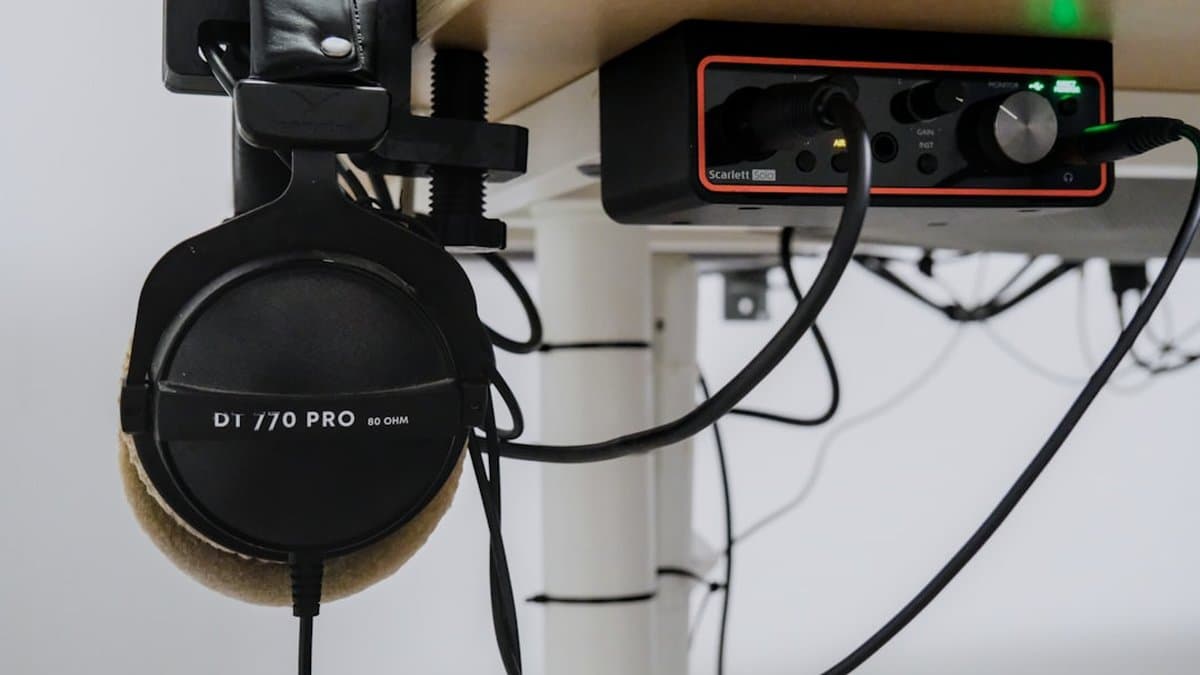
This is where AI video tools become your competitive advantage. According to X-Pilot, modern AI video generation tools like FluxNote reduce production time to under 2 hours per video while maintaining quality that matches or exceeds what small teams produce manually. That's not hypothetical—that's the actual timeline when you're using the right tools.
Your tech stack should do three things: reduce production time, enforce consistency, and make repurposing effortless. Start with AI-assisted generation for drafts and editing, add templating tools for standardized graphics and intros, and layer in publishing automation that distributes across platforms simultaneously.
The biggest mistake teams make is treating video production like a custom project every single time. Instead, build systems for batching, templating, and repurposing so video becomes a sustainable program that generates consistent output without consuming disproportionate resources. That's how small teams punch above their weight in 2026.
Now that you understand the strategies and systems that will help your small team create a sustainable video program, let's bring everything together and look at what success actually looks like in 2026. In the conclusion, we'll recap the key takeaways that will transform how you approach video content.
Conclusion
Here's what we've covered: a strategic video program with clear pillars, platform-specific content, and consistent batching beats random uploads every single time. The payoff? Qualified leads for months—sometimes years—after publication.
The gap between low-quality AI-generated content and authentic, strategic video has never been wider. That's actually good news for you. Differentiation isn't some distant dream reserved for enterprise budgets. It's within reach for any SaaS company willing to think systemically instead of tactically.
And here's the part that should excite you most: video ROI compounds over time. Long-tail search value, cross-platform repurposing, audience building—these create returns that paid ads simply can't match at comparable costs.
Here's how to start: Map your top 10 buyer questions to YouTube search intent, then build your first content batch around the four pillars we outlined. Commit to consistent monthly publishing before you obsess over production perfection. As you develop momentum, tools like AutoShorts can help automate the clipping and caption process across TikTok, Instagram Reels, and YouTube Shorts, letting you focus on strategy rather than manual editing.
The companies winning in 2026 aren't waiting for the perfect moment. They're starting today with imperfect consistency—and watching their video library become their most valuable asset.
Your turn.
Frequently asked questions
Most SaaS companies treat YouTube as a distribution channel rather than a search engine, missing its true potential as the second-largest search engine globally. Unlike paid ads that stop generating leads when you turn them off, YouTube videos continue driving qualified signups for years after publication through long-tail organic search. This compounding effect makes it one of the most reliable organic acquisition channels available, yet many SaaS businesses overlook it entirely.
A proven video content strategy for SaaS companies in 2026 centers on four strategic pillars that create sustainable growth. The first pillar, problem-aware content, targets people searching for solutions before they know your product exists—representing your biggest opportunity for reach. The remaining pillars address product awareness, consideration, and decision stages, creating a complete system where single videos compound value across multiple channels and continue generating leads long-term.
Rather than creating videos in isolation, develop a repurposing strategy where one strategic video generates content across YouTube, LinkedIn, TikTok, and other channels simultaneously. Extract key moments for short-form content, transform tutorials into LinkedIn articles, and adapt founder commentary into thought leadership pieces. This approach maximizes your production investment and ensures consistent messaging while reaching different audience segments where they spend time.
Problem-aware content targets people actively searching for solutions to challenges your software solves, but who don't yet know your product exists—making it your biggest reach opportunity. Product-aware content, by contrast, targets people who already understand they need a solution and are evaluating specific tools. Starting with problem-aware content (40% of your content strategy) captures unaware prospects early in their buying journey before they've narrowed their options.
YouTube videos continue generating qualified leads and free trial signups for years after publication, thanks to long-tail search value and YouTube's algorithm favoring evergreen content. A single tutorial video addressing a problem your software solves can drive hundreds of qualified signups monthly at near-zero marginal cost. This sustained performance is what makes YouTube fundamentally different from paid advertising—your content becomes a permanent asset in your growth engine.
The real opportunity in video marketing isn't creating viral or slick-looking content—it's building a strategic framework where videos address actual conversion barriers in your B2B sales cycle. Most SaaS companies fail because they create isolated videos without understanding how they fit into the buyer's journey and overall strategy. A well-planned video content strategy ensures each piece compounds value across channels and converts prospects, while high production quality alone won't move the needle on growth.