Learn how to optimize your videos for AI search engines. Get ChatGPT, Gemini & Perplexity to recommend your content with proven tactics.
Introduction
Are your amazing videos getting lost in the noise of AI-generated answers? The digital landscape has fundamentally shifted. ChatGPT, Gemini, and Perplexity are now the gatekeepers of information, directly answering user queries and often bypassing traditional search results entirely. This means ranking on Google simply isn't enough anymore—your videos need to get in front of these AI models too.
Here's the reality: AI tools are increasingly citing and recommending video content to millions of users daily. But most creators are still using outdated optimization strategies. The good news? There's a massive opportunity for those who move fast.
In this guide, we'll walk you through specific technical and strategic tactics designed to make your video content the go-to source for AI models. You'll discover exactly how to structure, format, and optimize your videos so they're actively recommended across multiple AI platforms—driving real traffic and visibility in this new AI-driven search landscape.
Ready to stop being invisible? Let's dive in.
Before you can optimize for AI platforms, you need to understand what's actually changed in how people find content. So let's break down exactly why your old video strategy won't cut it anymore and what AI search is demanding instead.
Understanding the AI Shift: Why Video Needs a New Strategy for AI Search

The way people discover information has changed dramatically. Where users once typed queries into Google and clicked through to websites, they're now asking ChatGPT, Gemini, and Perplexity direct questions—and getting instant answers without ever leaving those platforms. This shift means your video content is competing in an entirely new arena, with different rules, different algorithms, and different gatekeepers.
According to Mention First, AI models are increasingly selecting and citing video content as authoritative sources for user answers. But here's the catch: your videos won't get recommended unless AI systems can actually understand, parse, and extract value from them. That's fundamentally different from traditional SEO, where keyword optimization and backlinks still matter.
Key Point: AI search isn't about ranking pages anymore—it's about being selected as a source for direct answers. Your videos must prove they're worth citing.
How AI Search Differs from Traditional SEO for Video Content
Traditional SEO focuses on visibility: getting your video to rank high in search results so people click through. AI search is about direct citation and authority. When someone asks ChatGPT "How do I fix a leaky faucet?", the AI doesn't send them to a search results page—it extracts the answer directly from your video and presents it to the user.
According to API Serpent, AI models prioritize content that provides clear, extractable answers over content optimized purely for clicks. This means your video descriptions, transcripts, and visual clarity matter more than ever. If your video is poorly transcribed or buried in vague language, AI systems will skip it for sources they can easily parse and cite.
Pro Tip: Make sure your video transcripts are accurate and comprehensive. AI models rely on text to understand what your video is actually about.
Multimodal AI: Understanding Audiovisual Information
Here's what's revolutionary: modern AI doesn't just read text anymore. Multimodal AI models process video, audio, text, and images simultaneously, treating them all as equally important data sources. Your video's visual content, spoken words, captions, and on-screen text all contribute to how AI systems understand and rank it.
Research from Am I Visible On AI shows that AI systems transcribe video content, extract key frames, and index specific segments for different queries. This means a single video can be cited for multiple answers—if the AI can actually understand what's happening in each part. The better your video's structure, clarity, and captioning, the more likely it is to be selected across different queries and topics.
This multimodal approach transforms video from a "nice-to-have" media format into a high-authority data source that AI systems actively seek out and cite. But only if your content is structured in ways these systems can understand and extract from.
Now that you understand why structured data matters, let's get into the practical playbook for making your video content irresistible to AI systems. We'll walk through the specific metadata, transcripts, and data structures that turn your videos into must-cite resources.
Mastering AI Video Optimization: Metadata, Transcripts & Structured Data

AI models like ChatGPT and Gemini can't watch your videos the way humans do. They need structured information that explicitly tells them what your video is about, who created it, and why it matters. Think of metadata, transcripts, and schema markup as the translator between your video content and AI systems. Without these elements, even exceptional video content remains invisible to AI crawlers. This section covers the technical foundations that make your videos discoverable and recommendable by AI platforms.
Beyond Keywords: Crafting AI-Friendly Video Metadata
Your video title, description, and tags are more than just human-readable text—they're the primary signals AI uses to understand your content's relevance and context. According to Am I Visible On AI, AI systems prioritize question-answering language in metadata, where creators structure titles and descriptions as explicit answers to common user queries.
Instead of generic titles like "Marketing Tips," try: "How to Increase Email Marketing Click-Through Rates by 40% [2026 Strategy]." This specificity helps AI models recognize exactly what problem your video solves. Your description should expand on this, incorporating relevant keywords naturally while maintaining clarity. Tags should be consistent and specific—avoid vague terms that dilute your content's focus.
Pro Tip: Structure your description in scannable sections with clear headers and bullet points. AI models extract information more effectively from well-organized text than from dense paragraphs.
Transcripts for AI Comprehension, Not Just Accessibility
Accurate transcripts (typically in SRT format) are essential for AI comprehension. While captions serve accessibility and viewer engagement, AI-optimized transcripts require additional structural considerations. According to Mention First, research shows that AI systems analyze transcript content to extract key entities, claims, and context with significantly higher accuracy than video-only analysis.
Create detailed, keyword-rich transcripts that maintain proper capitalization, punctuation, and speaker identification. Include relevant terminology, product names, and proper nouns exactly as they should be understood. When you mention statistics or data points, ensure they're clearly stated in the transcript—AI models rely on this text to validate claims and context. Avoid filler words and "ums" in final transcripts; clean, precise language improves AI indexing.
Leveraging VideoObject Schema for Enhanced AI Indexing
Schema markup acts as a direct communication channel with AI crawlers. By implementing VideoObject structured data on your embedded videos, you provide explicit information that AI systems don't have to infer or guess. This includes video duration, upload date, description, thumbnail URL, and most importantly, content categorization and entity relationships.
When you add VideoObject schema to your page's code, you're essentially creating a machine-readable blueprint of your video's content. Research from askSarah.ai confirms that properly implemented VideoObject schema increases the likelihood of AI citation by making your content unmistakably relevant to specific queries. Ensure consistent brand and creator name formatting across all schema implementations—this helps AI systems recognize your expertise in specific domains.
Key Point: VideoObject schema should include uploadDate, duration, thumbnail, and a comprehensive description field. The description here can be longer and more detailed than your YouTube description, giving AI models richer context for understanding your content's value.
Now that you've got your metadata optimized with solid descriptions, let's talk about how to make AI systems really trust your content and rank it higher. We'll dive into building those authority signals that convince both algorithms and viewers that you're a legitimate source worth recommending.
Building Authority and E-E-A-T Signals for AI Video Recommendations

AI models like ChatGPT, Gemini, and Perplexity are becoming increasingly sophisticated at identifying trustworthy sources. They're not just looking at your video content in isolation—they're analyzing your overall authority, expertise, and credibility across the web. This is where E-E-A-T (Experience, Expertise, Authoritativeness, Trustworthiness) signals come into play. According to Mention First, AI platforms now prioritize creators who demonstrate consistent expertise, proper attribution, and verifiable credibility signals. Building these signals isn't just nice-to-have—it's essential if you want your videos to be the ones AI systems recommend.
Establishing Topical Authority for Your Video Content
The foundation of any strong E-E-A-T profile is topical authority. AI models reward creators who consistently produce in-depth, high-quality content within a specific niche rather than jumping between unrelated topics. Think of it like becoming the go-to expert in your field—the deeper your knowledge pool, the more trustworthy you appear to AI systems.
Start by mapping out your core topic area and creating a content pillar strategy. Produce comprehensive video content that thoroughly explores different angles of your niche. According to Am I Visible On AI, consistently publishing original research, case studies, and proprietary data in video format positions you as a preferred source that AI models actively seek out and recommend.
Pro Tip: Focus on creating video content that answers complex, multi-part questions in your niche. AI systems recognize when creators go deeper than surface-level explanations and reward that depth with higher recommendation rates.
Cross-Platform Entity Building for AI Recognition
Here's something most creators miss: AI models understand multimodal entities. This means your authority isn't just built on one platform—it's recognized across YouTube, your website, social media, and your Google Business Profile. When AI systems see your name, face, or brand consistently associated with the same topic across multiple platforms, it significantly boosts your credibility signals.
Create a distribution strategy where your short-form videos link back to your website, and your website links to your social profiles and Google Business Profile. This interconnected web of references helps AI models understand that you're a legitimate entity within your niche, not just a random video creator. Use consistent naming conventions, bios, and descriptions across all platforms to reinforce your topical identity.
Cultivating High-Quality Backlinks and Mentions
The final pillar of E-E-A-T authority is external validation. Backlinks from reputable sources and mentions across authoritative websites signal to AI models that other trusted entities vouch for your credibility. This is where your content quality directly translates into link-building opportunities.
Create content so valuable that reputable industry publications, educational institutions, and recognized experts naturally want to link to it or mention your work. Focus on original research, proprietary methodologies, or exclusive data that becomes a go-to reference point. According to Agile Digital Agency, video creators who earn backlinks from .edu, .gov, and high-authority industry sites see significantly higher recommendation rates across AI platforms.
Key Point: One high-quality backlink from an authoritative source is worth more to AI models than dozens of links from low-authority sites. Quality always beats quantity when building trustworthiness signals.
Now that we've established how to build credibility through quality signals, let's talk about where your content actually lives and how to optimize it for maximum visibility. We'll explore the best tactics for different platforms and how to measure whether AI systems are actually picking up on your hard work.
Platform-Specific Video Tactics & Measuring AI Visibility
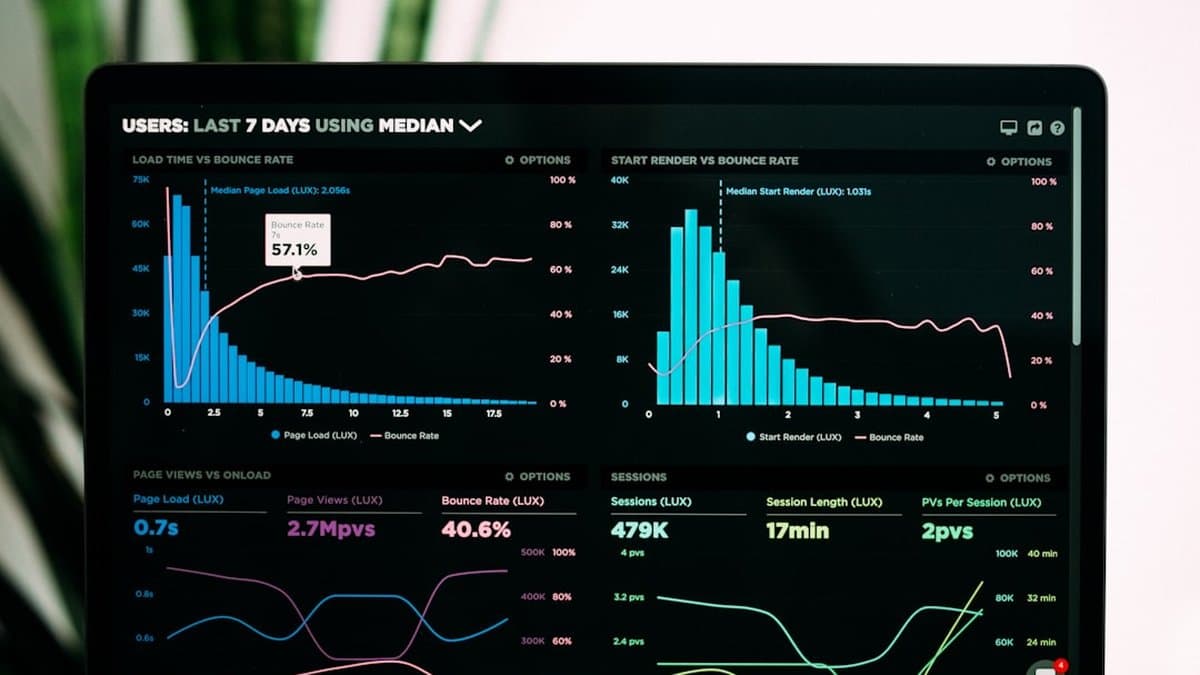
Now that you've built solid authority signals and optimized your technical foundation, it's time to get platform-specific. Here's the reality: ChatGPT, Gemini, and Perplexity don't all work the same way. They have different indexing sources, different citation preferences, and different algorithms for deciding which videos to recommend. The creators winning at AI visibility right now aren't using a one-size-fits-all approach—they're tailoring their content strategy to each platform's unique mechanics.
Tailoring Video for Gemini, ChatGPT, and Perplexity
Different AI platforms have fundamentally different content sources and ranking preferences. For Gemini, YouTube integration is critical—make sure your videos use proper VideoObject schema markup and live on YouTube itself. Google's AI model prioritizes content from its own ecosystem, so a YouTube presence is non-negotiable.
ChatGPT's situation is different. According to Am I Visible On AI, ChatGPT indexes content through Bing's web crawler, which means your videos need to be discoverable through traditional SEO channels first. Recency matters here too—newer, updated content gets prioritized in ChatGPT responses.
Perplexity has its own game entirely. This platform favors directly quotable content and cites multiple sources in its answers. If your video transcripts contain clear, bold assertions and data points, Perplexity is more likely to pull from them. Vague or conversational scripts won't get cited as often.
Gemini Strategy
ChatGPT Strategy
Perplexity Strategy
Tracking Your Videos in AI-Generated Responses
You can't improve what you don't measure. Start by manually auditing AI platforms weekly for mentions and citations of your videos. Open ChatGPT, Gemini, Perplexity, and Claude, then ask questions directly related to your video topics. Are your videos appearing? How often? Are they being cited as primary sources?
According to askSarah.ai, creators should monitor their "Answer Share of Voice"—the percentage of responses that cite your content compared to competitors in your niche. This metric tells you exactly where you stand in AI visibility rankings.
Pro Tip: Set up a simple spreadsheet to track which AI platforms mention your videos, how frequently, and in what context. This data becomes your roadmap for optimization.
Use tools like SemRush, Ahrefs, and specialized AI visibility platforms to automate some of this tracking. Manual checks are still essential, but tools can help you spot trends over time.
Iterating Your Strategy for Continuous AI Visibility
AI platforms update their algorithms and citation preferences constantly. What works today might shift in three months. Build iteration into your workflow. Every two weeks, review your tracking data and ask: Which videos are getting cited most? Which AI platforms favor my content? Where am I missing visibility?
According to GroCat, the creators dominating AI visibility in 2026 are treating this like a continuous experiment. They test different transcript styles, adjust metadata based on platform feedback, and double down on what works.
The goal isn't perfection—it's momentum. Small, consistent optimizations compound into serious AI visibility advantages over time.
Now that you've got a solid framework for building momentum with these incremental improvements, let's wrap up with the key takeaways you should remember. These practical strategies are just the beginning—here's how to bring it all together.
Conclusion
The era of AI-driven search has arrived, and your video strategy needs to evolve with it. Here's what we've covered: AI visibility depends on optimized metadata, transcripts, and structured data that help these models understand your content. You've learned that building E-E-A-T signals and topical authority isn't optional—it's essential for getting recommended. And we've shown you that platform-specific optimization and consistent measurement are your keys to maintaining visibility across ChatGPT, Gemini, and Perplexity.
The bottom line? Your video content deserves to be seen and cited by AI systems serving millions of users daily. Don't let it get lost in the noise.
Here's your next move: Start auditing your existing videos today. Review your metadata, transcripts, and authority signals. As you implement these strategies, tools like AutoShorts can help automate the clipping and caption process, making your content more digestible and citable for AI models—so you can focus on strategy rather than manual editing.
The future of content discovery isn't coming—it's here. Make sure your videos are ready for it.
Frequently asked questions
AI search tools like ChatGPT, Gemini, and Perplexity select content from a limited pool of sources and directly cite answers to users, fundamentally changing how content visibility works compared to traditional SEO. Where Google ranks pages for clicks, these AI platforms need to understand and extract value directly from your videos, making metadata, transcripts, and structured data critical. Your old video strategy focusing solely on Google rankings won't cut it anymore because approximately 40% of informational queries now bypass traditional search entirely.
AI models need to clearly understand and parse your video content, so transcripts should be detailed and accurately reflect what's being shown, not just casual captions for viewers. Structure your transcripts with clear sections, headings, and logical flow that makes it easy for AI systems to extract key information and authority signals. Include specific answers to common questions within your transcript so AI models can cite your content directly when responding to user queries.
Beyond traditional video SEO, you need to implement structured data that helps AI models understand your content's context, authority, and relevance. Include comprehensive video descriptions, schema markup, and topical authority signals that demonstrate E-E-A-T (Experience, Expertise, Authoritativeness, Trustworthiness). This helps AI systems like ChatGPT, Gemini, and Perplexity recognize your content as a credible source worth citing to their users.
Create a cluster of related videos that comprehensively cover a specific topic, establishing your channel as the authoritative source that AI models should cite. Focus on answering specific, detailed questions within your niche consistently, which helps AI systems recognize your expertise and E-E-A-T signals. The more cohesive and thorough your topical coverage, the more likely AI models will select your videos when answering user queries in that area.
Google ranking focuses on visibility—getting your video to appear high in search results so users click through. AI platforms like Perplexity, ChatGPT, and Gemini prioritize direct citation and authority—they extract answers directly from your video to present to users without requiring clicks. This means your optimization strategy needs to shift from keyword rankings to ensuring your content is understandable, authoritative, and easily extractable by AI systems.
Yes—while human-readable captions are important for accessibility, AI-focused optimization requires transcripts and captions structured specifically for AI consumption with clear answers, proper formatting, and logical sections. AI models need to easily parse and extract information, so your captions should be more detailed and comprehensive than typical viewer captions. Consider creating detailed transcripts that complement your captions to maximize your chances of getting recommended by ChatGPT, Gemini, and Perplexity.